
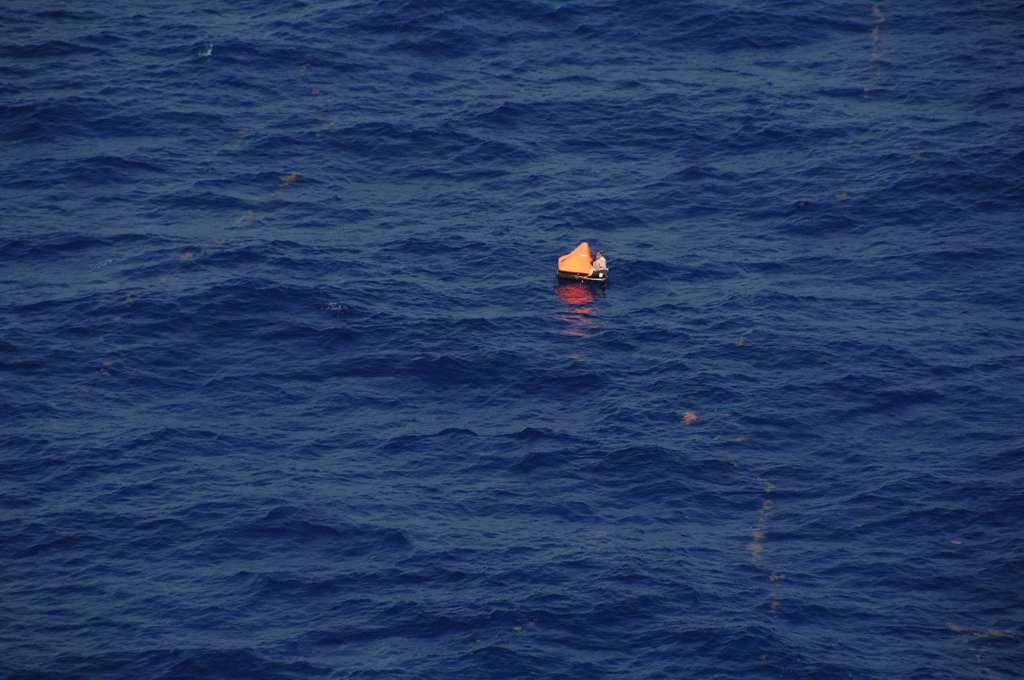
Abandoning ship is the last resort, but if that moment arrives, being prepared can change everything.
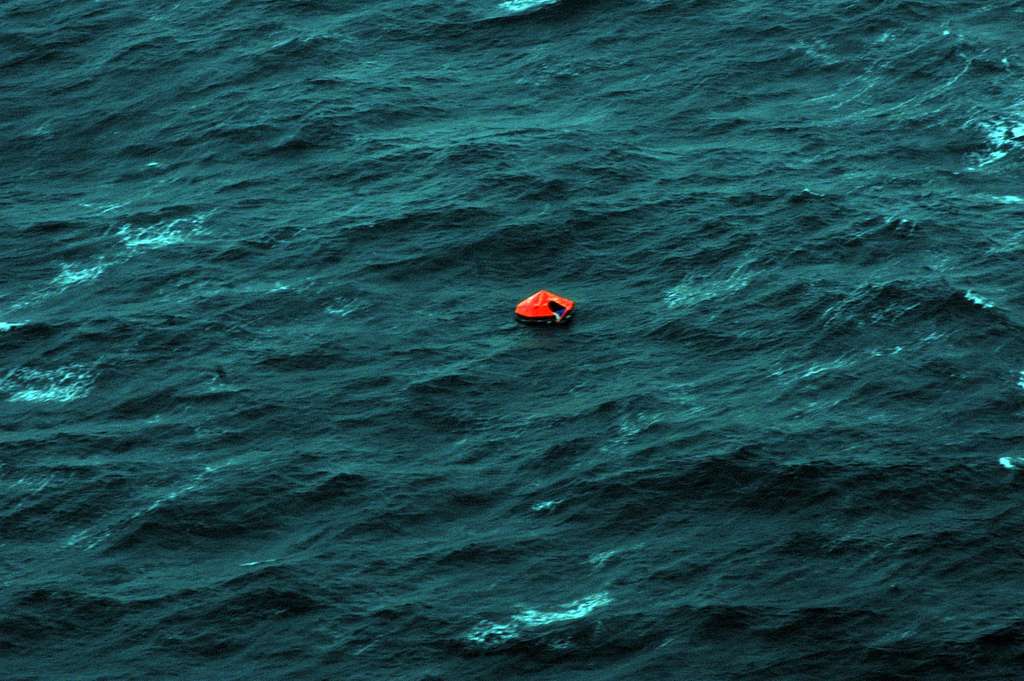
Stepping off the boat into a life raft is one of the hardest things a cruiser can face, but if the worst happens, a carefully packed grab bag can be a true lifesaver.
Choosing the right container
When deciding what to use as a grab bag, you have two main choices:
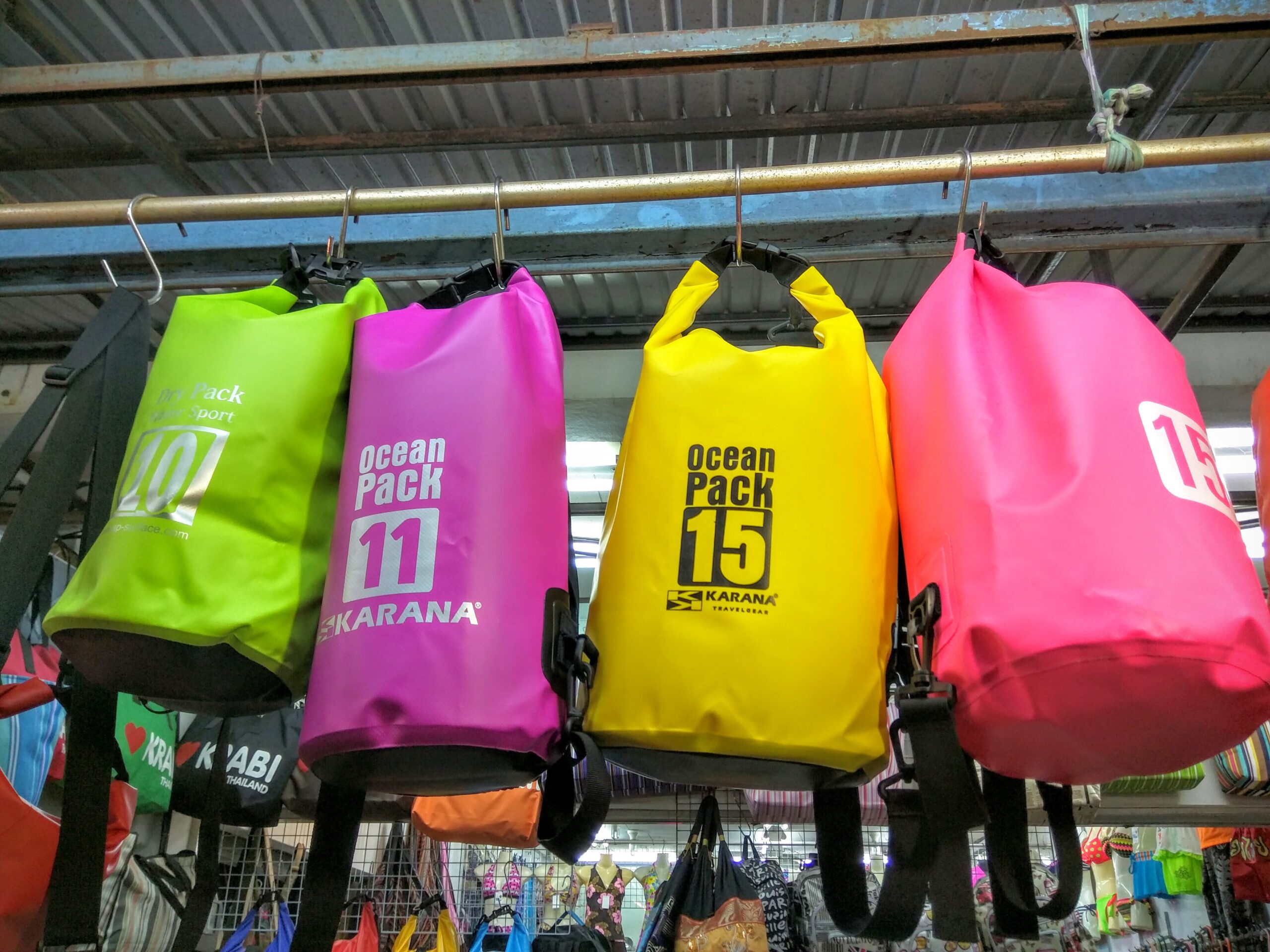
- Roll-top dry bags: Look for something heavy-duty and brightly colored, from a reputable brand. Remember to leave them about 30 percent full of air before sealing so they are buoyant.
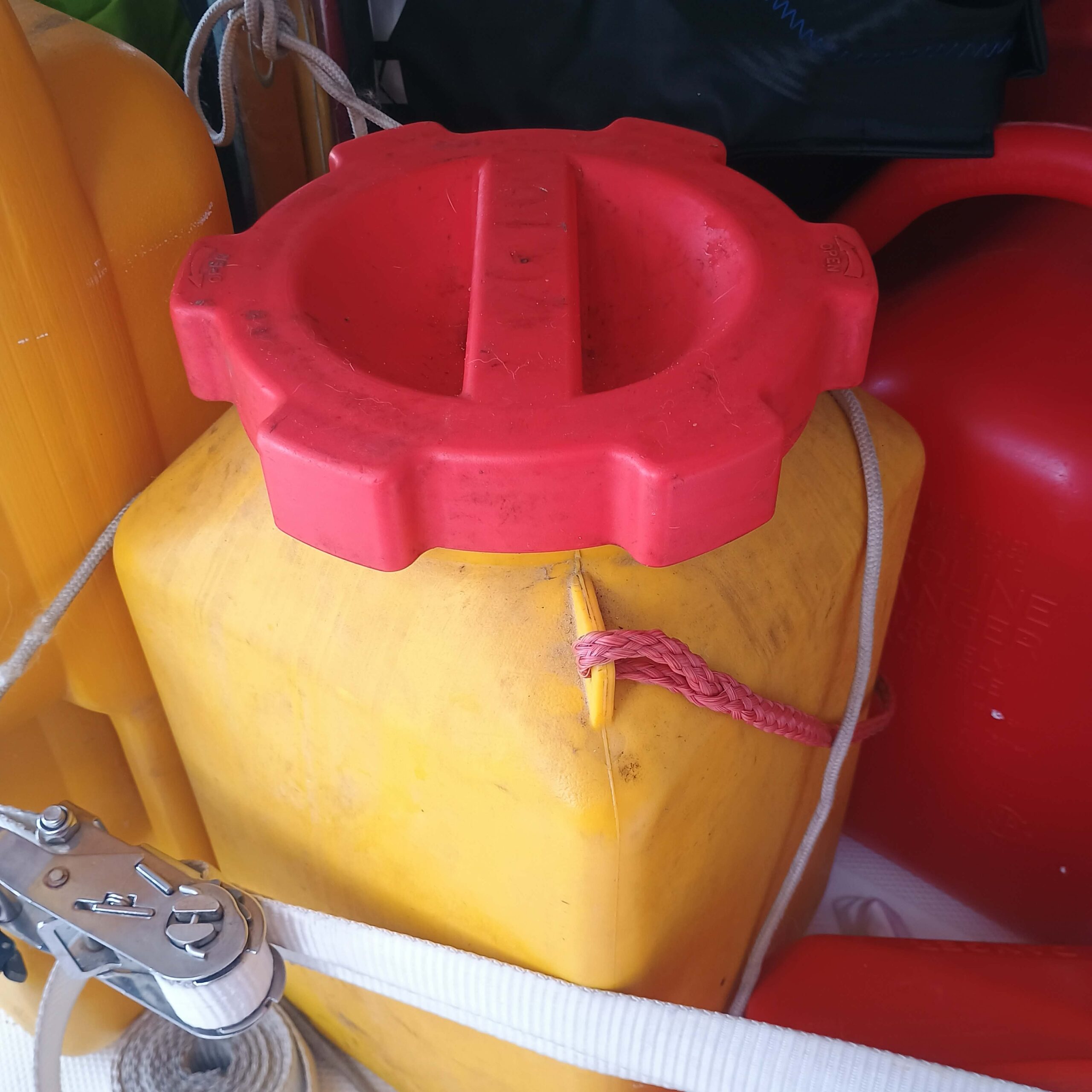
- Rigid canisters: Watertight, bright colored canisters made of sturdy plastic can offer excellent protection for electronics and sharp tools, and won’t puncture.
Whatever container you choose, it needs to be watertight, float, and have a strap so you can secure it to the life raft once you’re aboard.
Selecting what to include
There’s a variety of equipment that can go into a ditch bag, each meeting a specific need to help you get through the time you spend in the raft. What you include will be shaped by where and how you’re cruising.
1. Communication and signalling equipment
Your primary goal once you’re in a life raft is to get out of it as quickly as humanly possible, which means making yourself as easy to find as possible. Without the ability to signal your position, search and rescue operations are essentially looking for a needle in an ocean sized haystack.
Here’s some signal equipment you could include in your ditch bag:
- Waterproof, buoyant, handheld VHF radio, ideally DSC-enabled with an integrated GPS receiver
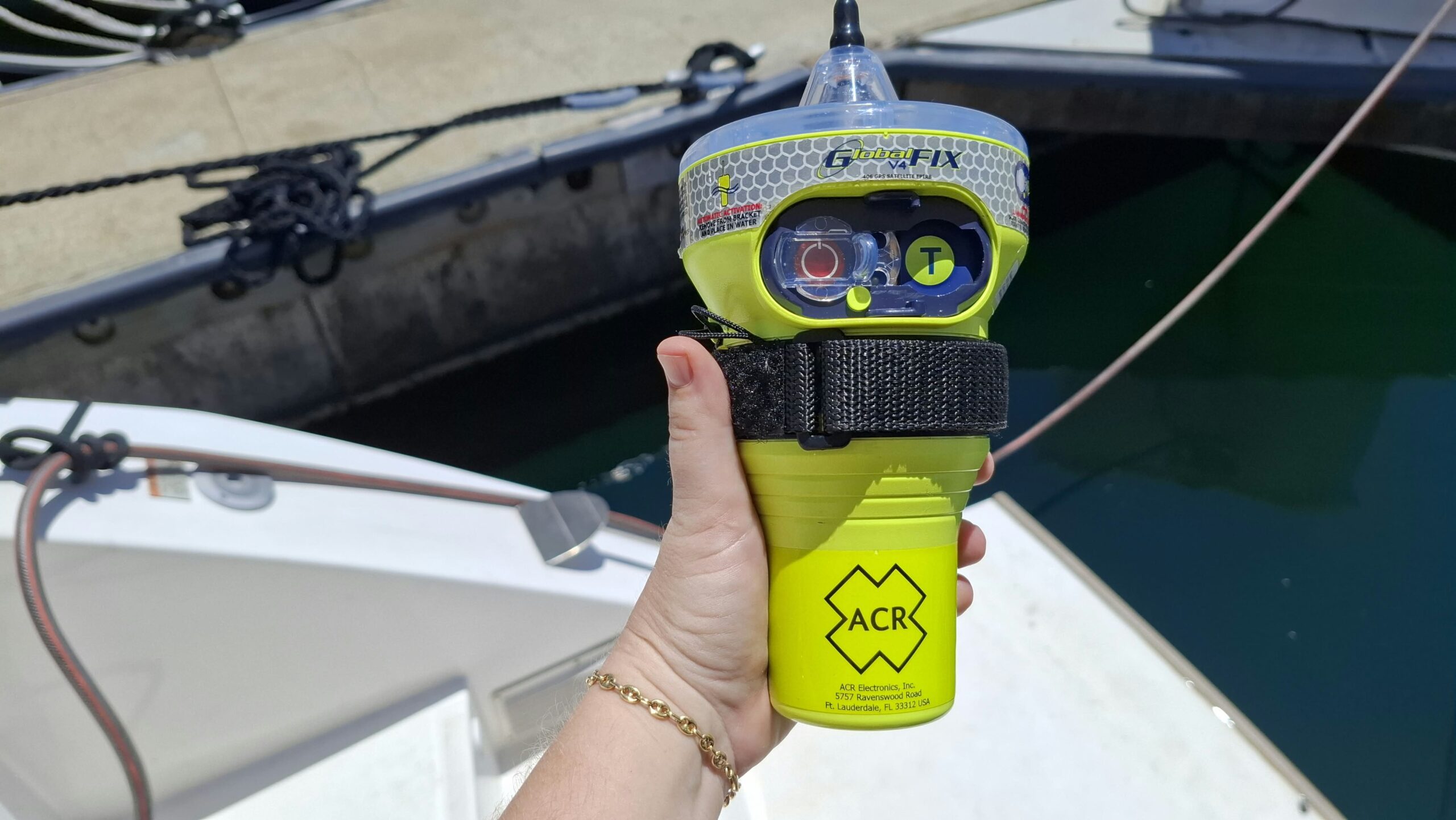
- EPRIB
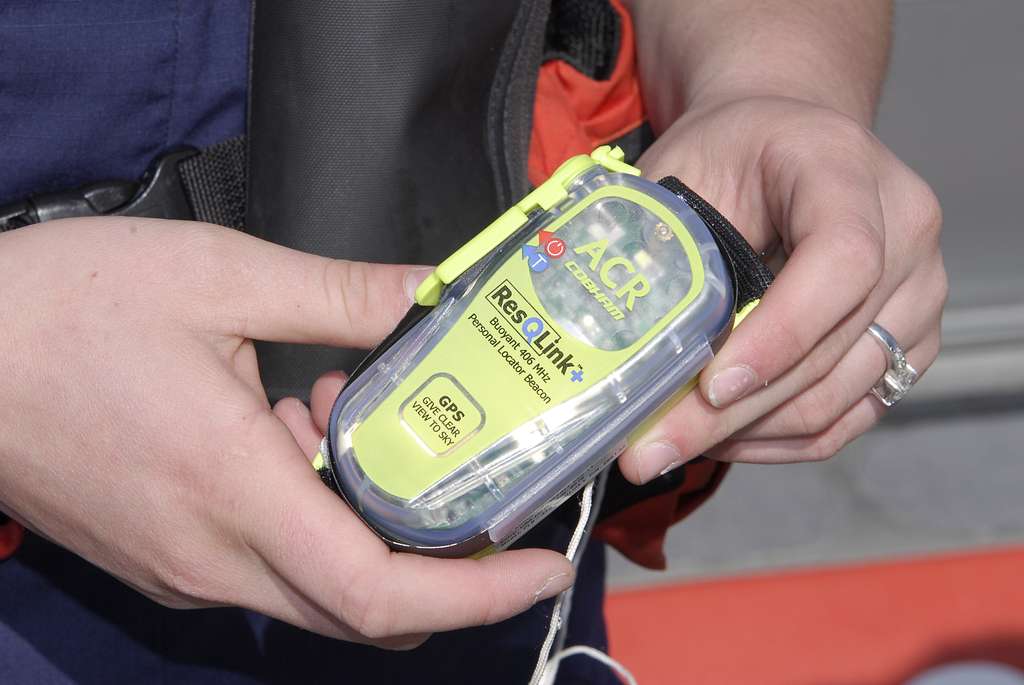
- Personal Locator Beacon (PLB)
- Flares
- Smoke pot
- Waterproof, high-intensity flashlight or strobe light
- Signalling mirror
- Rescue light sticks
- Whistle
- Reflective tape
- Sea dye
Consider packing extra batteries or a solar charger for devices that rely on them.
2. Food and water
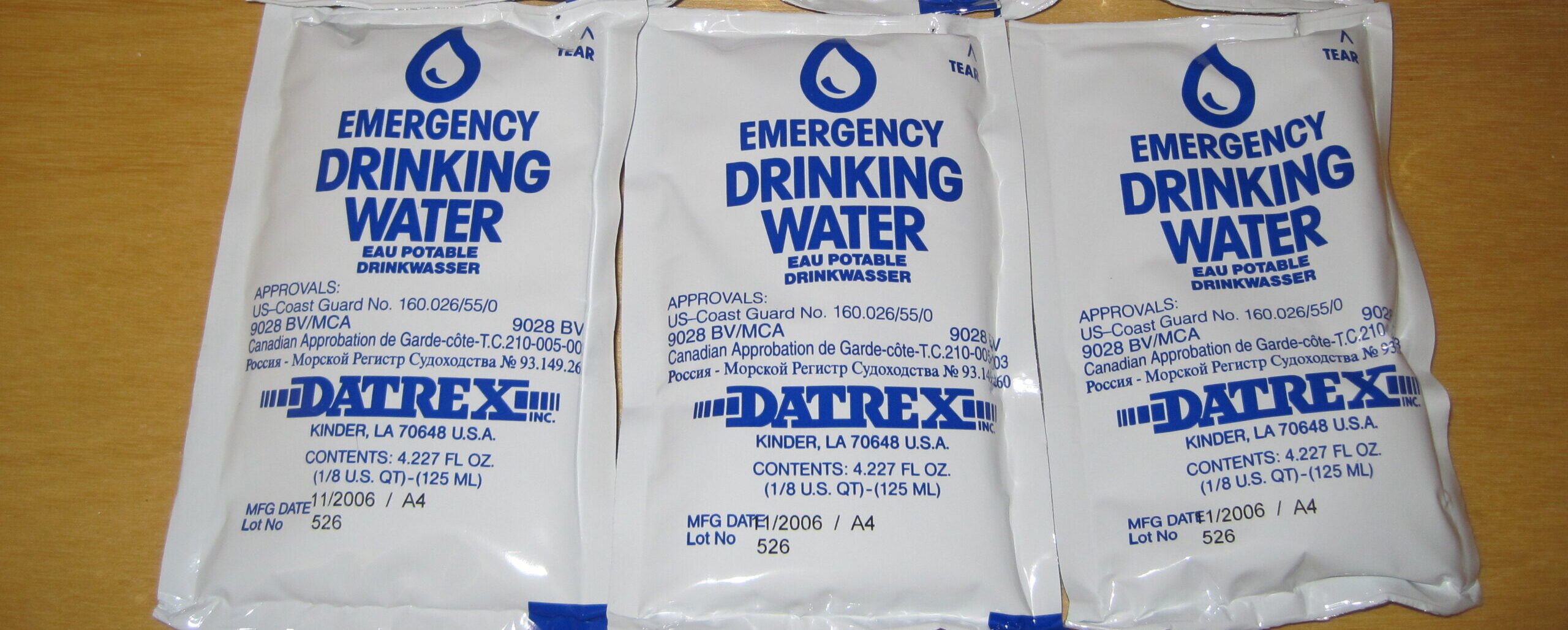
While the human body is surprisingly resilient and can survive weeks without food, it shuts down in a matter of days without water. As such, include some packaged water and a way to collect fresh water, or perhaps an emergency solar still. You may also want to keep a 5 gallon jerry jug full and ready to go on deck, just in case.
For emergency food, pack items that are incredibly dense in calories and non-perishable. This could include:
- High-quality ration bars
- Mixed nuts and dried fruits
- Jerky
- Nut butters
- Tuna or salmon pouches
- Glucose tablets or hard candy
Avoid anything salty or spicy, to minimise thirst, and keep all food sealed, ideally in vacuum-packed bags, to prevent spoilage.
3. Health, protection and first-aid
While sitting inside a life raft people can be exposed to temperature swings, UV, moisture and severe motion, not to mention the potential for injuries while abandoning the boat. There is equipment you can include in a ditch bag to help address and even mitigate some of these issues:
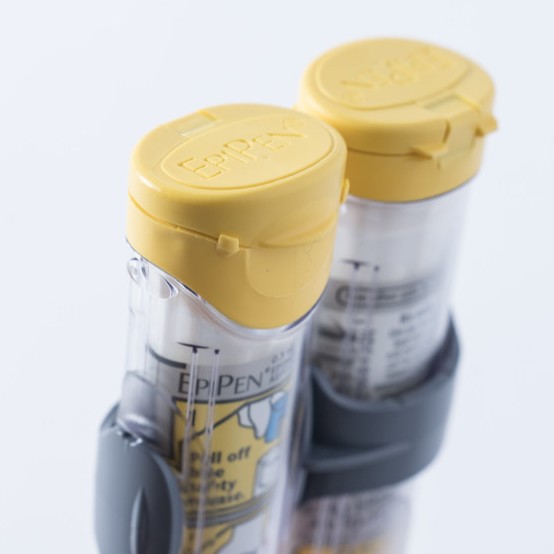
- Essential crew medications like asthma inhalers, Epi-pens, insulin and daily pills for chronic conditions.
- Anti-nausea tablets (sea sickness can lead to vomiting and rapid dehydration)
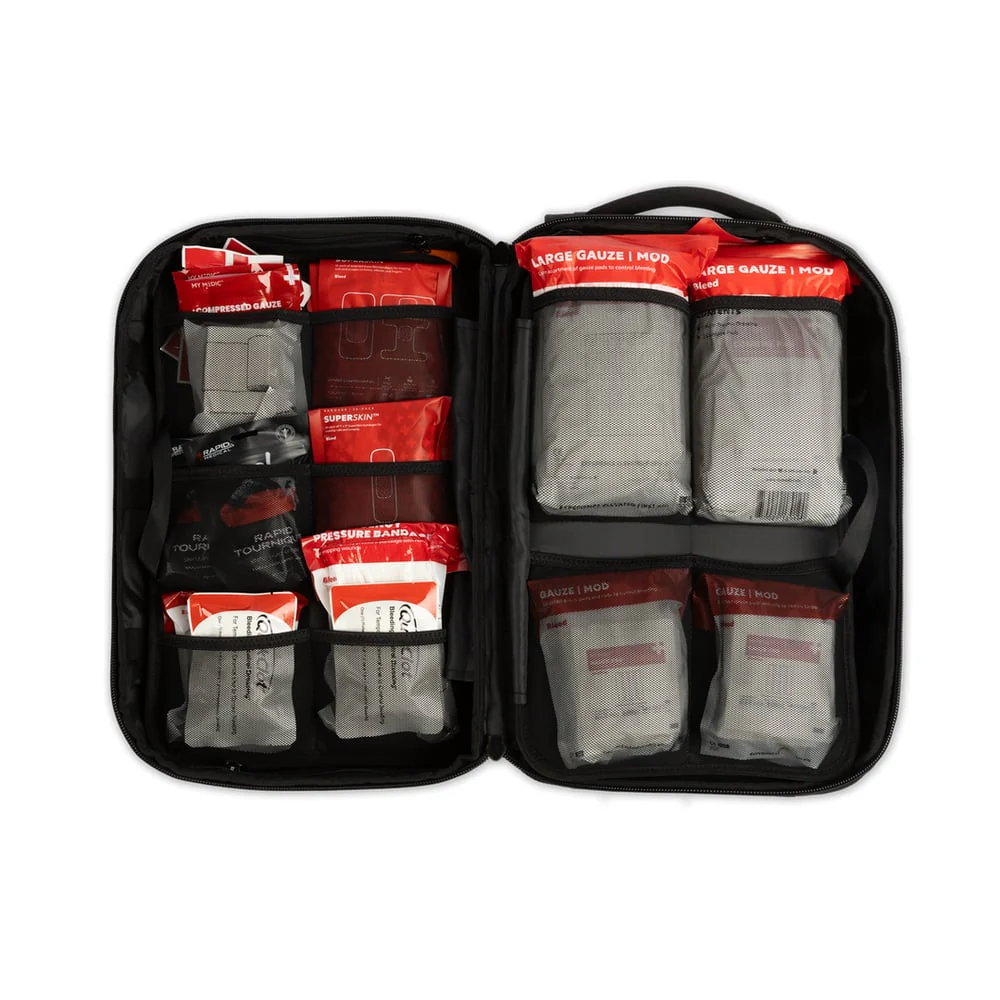
- Basic first aid kit with wound dressings, bandages, a splint, antiseptic, and pain medication
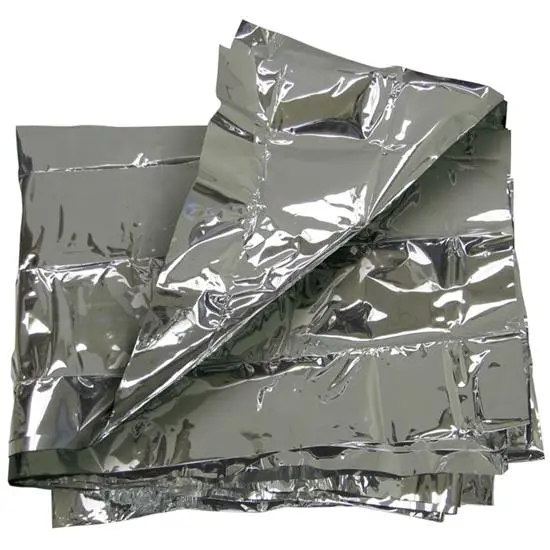
- Emergency space blankets
- Sunscreen
- Spare glasses and sunglasses
4. Practical tools
Survival often requires active problem-solving and rigging broken gear, so having what you need to get by is important. Some things to consider packing are:
- Inflatable repair kit
- High-quality stainless-steel knife
- Basic fishing gear
- Waterproof rubberized tape or duct tape
- Thin, strong rope to tether and tie items
5. Navigation
Packing a reliable handheld GPS and backup magnetic compass allows you to track your coordinates and share accurate data if you’re able to contact someone. A thick, waterproof permanent marker or grease pen can also be useful, as it allows you to log your position directly onto the inner rubber walls of the life raft.
6. Important documents
While they won’t keep you breathing, bringing important documents can help save some bureaucratic headaches once you’re rescued. It’s a good idea to prepare:
- Photocopies of passports and driver’s licenses
- Photocopies of boat paperwork and insurance
- Health insurance information and medical information
- Some cash (USD can be exchanged most places)
While it wouldn’t stay in the ditch bag, grabbing a mobile phone and ensuring it makes it into the life raft is also useful, because with that you can instantly contact loved ones, use digital wallets like Google Pay, and access cloud storage once you’re rescued.
Don’t set and forget
A ditch bag is something you should revisit as part of your routine boat maintenance, especially if you’re headed offshore. You need to ensure everything inside is within date and in good condition, so that it’s ready to go when you need it most.
Do you have a unique item that you insist on keeping in your emergency kit? Drop down into the comments section below, share your best grab bag tips, and let’s help the entire cruising community stay safe out there!





Nice list – like that you framed it as suggestions, rather than a set list like some of the others I’ve read. Reality of cruising is what’s good for one boat or part of the world isn’t for another. My wife and I have a hard canister that started as a bought kit with the most adbsurb collection of stuff in it. Now it just has the LED flare, some light sticks, water packets, PLB, nuts and a few tools, plus we added more when we did the Atlantic – meds, passports, spare phone. Going to add the grease pen and check the batteries… I was stuck on the jerry jug for a minute because that would be useless in a storm, but then thought – how many people have to abandon in calmer waters because of a whale or fire? In any case, we have a few aboard when we’re off shore, just in case the water maker goes down.