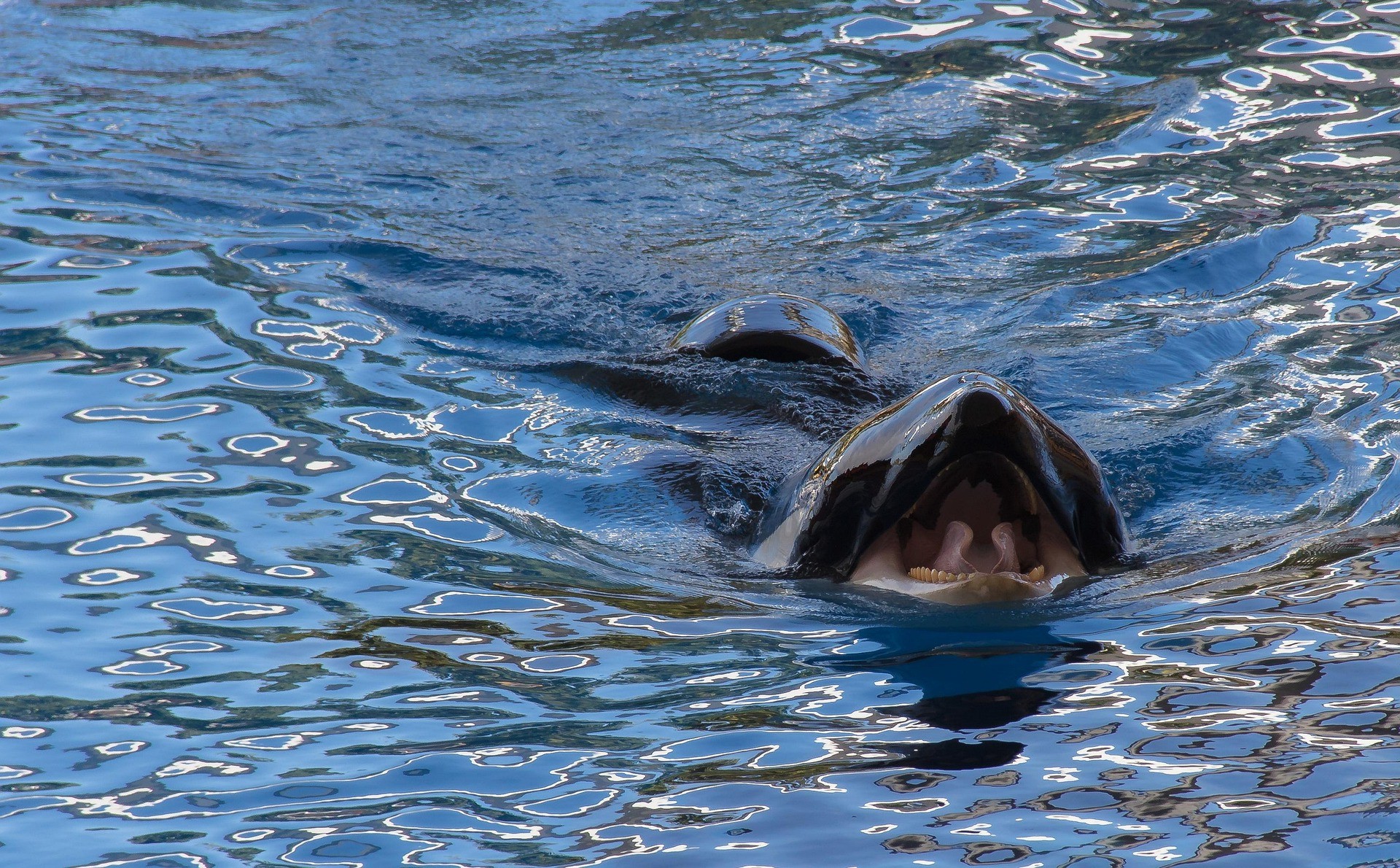
Encounters between orcas and sailboats along the Atlantic coasts of Spain and Portugal have become one of the most discussed safety topics in modern cruising.
Headlines often focus on dramatic images of damaged rudders or sinking yachts, but the reality is more nuanced. So how real is the risk, and what should you actually do if orcas approach your boat?
Understanding the behavior, statistics, and the most up-to-date official advice is essential for anyone sailing near the Spanish and Portuguese coastlines or transiting through the Strait of Gibraltar
Orca interactions are real, but still uncommon
Since 2020, a small subpopulation of orcas in the Strait of Gibraltar, the Gulf of Cádiz, and along parts of the Portuguese and Spanish Atlantic coast has shown a new behavior. These orcas have been observed interacting with boats, particularly sailboats, by touching, pushing, and in some cases biting, the rudders.
Between 2020 and 2022, researchers documented over 450 interactions across the region. While that number sounds high, it needs context. Thousands of vessels transit these waters every year, and based on the available data, only a small percentage of boats experience any interaction at all.
Among the recorded cases of interactions, outcomes can vary widely. Around 40% of Iberian orca interactions result in no damage. Serious damage that prevents a vessel from maneuvering accounts for roughly 15% of all recorded sightings and interactions. These encounters are concentrated in specific areas and seasons, particularly from April to August in the Gulf of Cádiz and the Strait of Gibraltar.
-
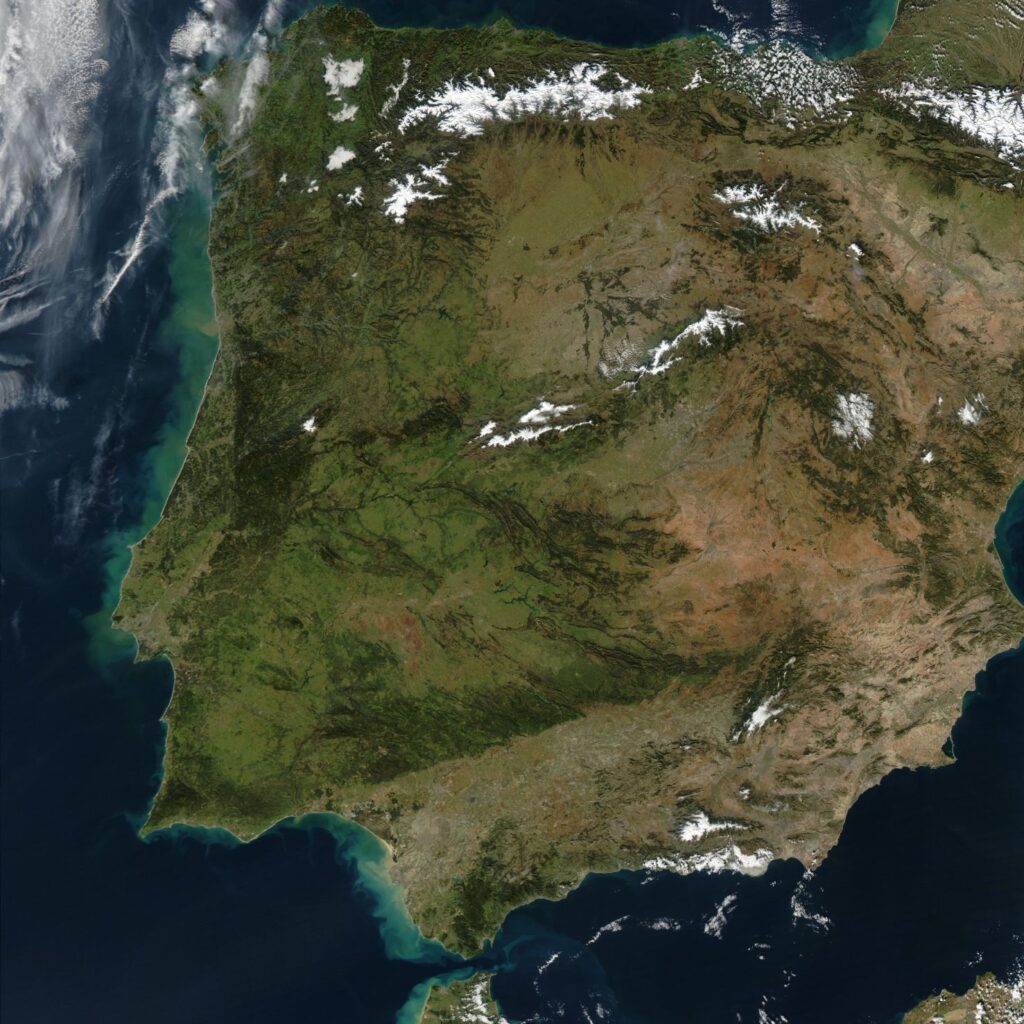
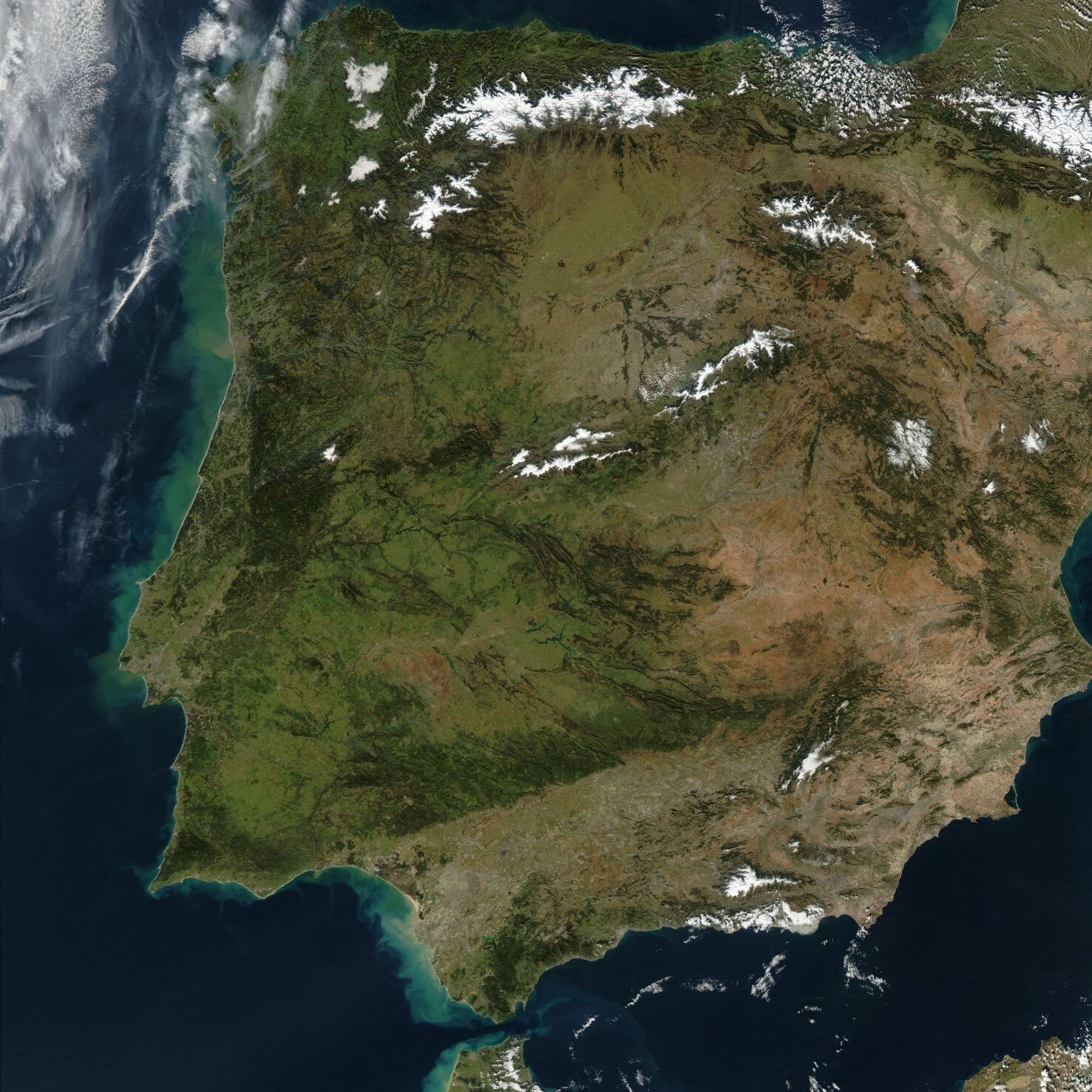
- Iberian orca are found in the Strait of Gibraltar and along the Iberian Peninsula’s Atlantic coast.
-
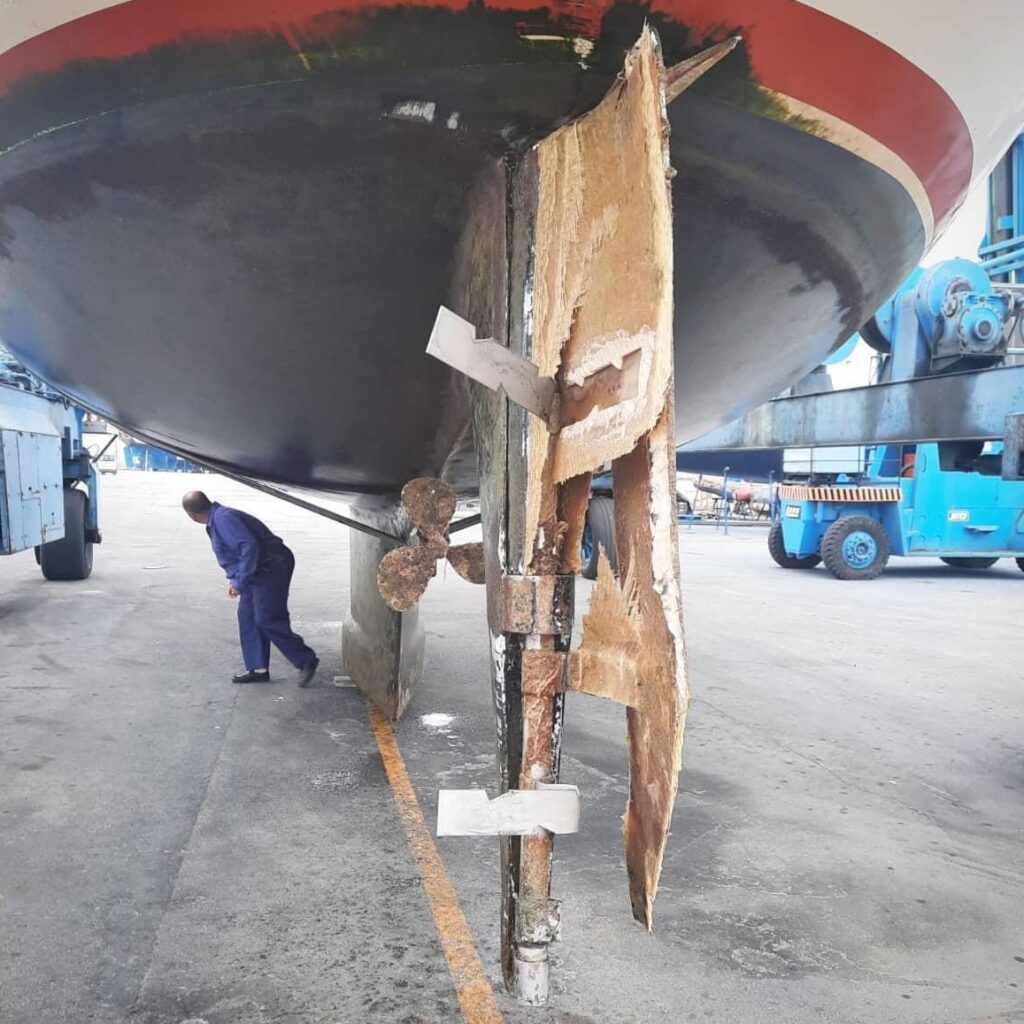
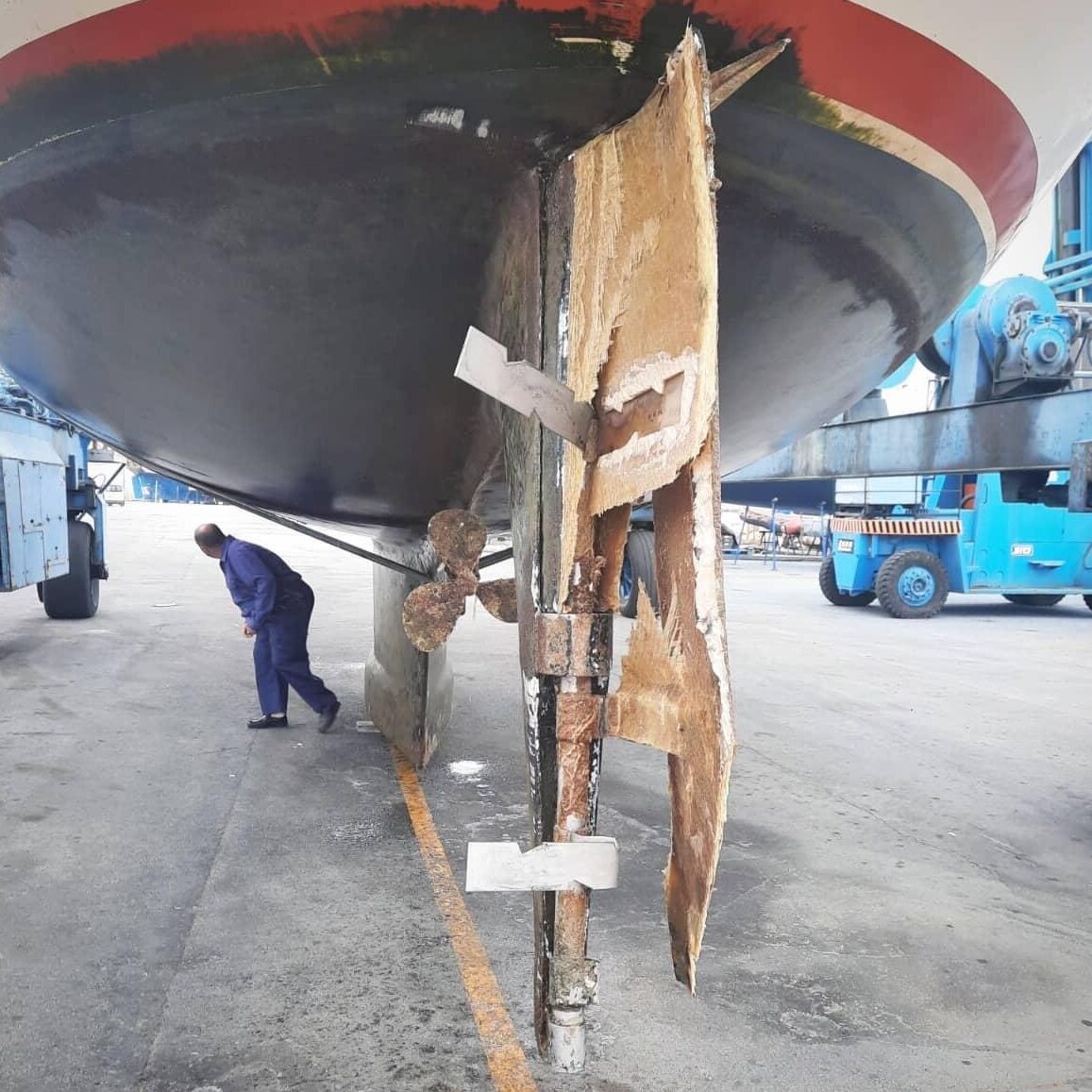
- Rudder of an Amel 52 damaged by orcas in July 2021 off the Iberian Peninsular
Which boats are most affected
The majority of Iberian orca interactions involve sailboats, particularly monohulls, followed by catamarans. The average length of boats involved is around 12 meters (40 ft), and most were traveling at speeds of around 5.5 knots.
Spade rudders are by far the most commonly damaged. This is not because they attract orcas, but because they are the most common rudder type on modern cruising yachts, and are structurally vulnerable when subjected to lateral forces.
Aside from that, boat color, hull shape, and sail configuration have not been shown to influence the likelihood of an interaction.
How to reduce the risk before it happens
Spanish and Portuguese authorities recommend exercising particular caution in high-risk zones during peak months. When conditions allow, they suggest navigating closer to the coast. Being in shallower water appears to reduce the frequency of encounters, although it does not eliminate the risk entirely.
Another widely used strategy is route planning. Around the Spanish and Portuguese coast, some skippers choose to sail well offshore, west of 10°W longitude, to bypass the continental shelf entirely. This deeper-water route has a significantly lower probability of interaction, though it may not be suitable for all vessels or weather windows. Through the Strait of Gibraltar some shadow the Moroccan coastline, where the reports of interactions are far fewer.
Using real-time data to stay informed
One of the most practical tools available to cruisers today is shared data, which is why the noforeignland map integrates with specific external data providers that specialize in safety reporting. One of these is Orcas @ Portugal & Spain.
The Oracas @ Portugal & Spain dataset is built on years of documented sightings and interactions collected by researchers and sailors transiting the region. By subscribing to this data layer, cruisers can view recent orca sightings and reported interactions directly on the map, alongside anchorages, routes, and hazards. For step-by-step instructions on how to subscribe to the data, check out this blog article.
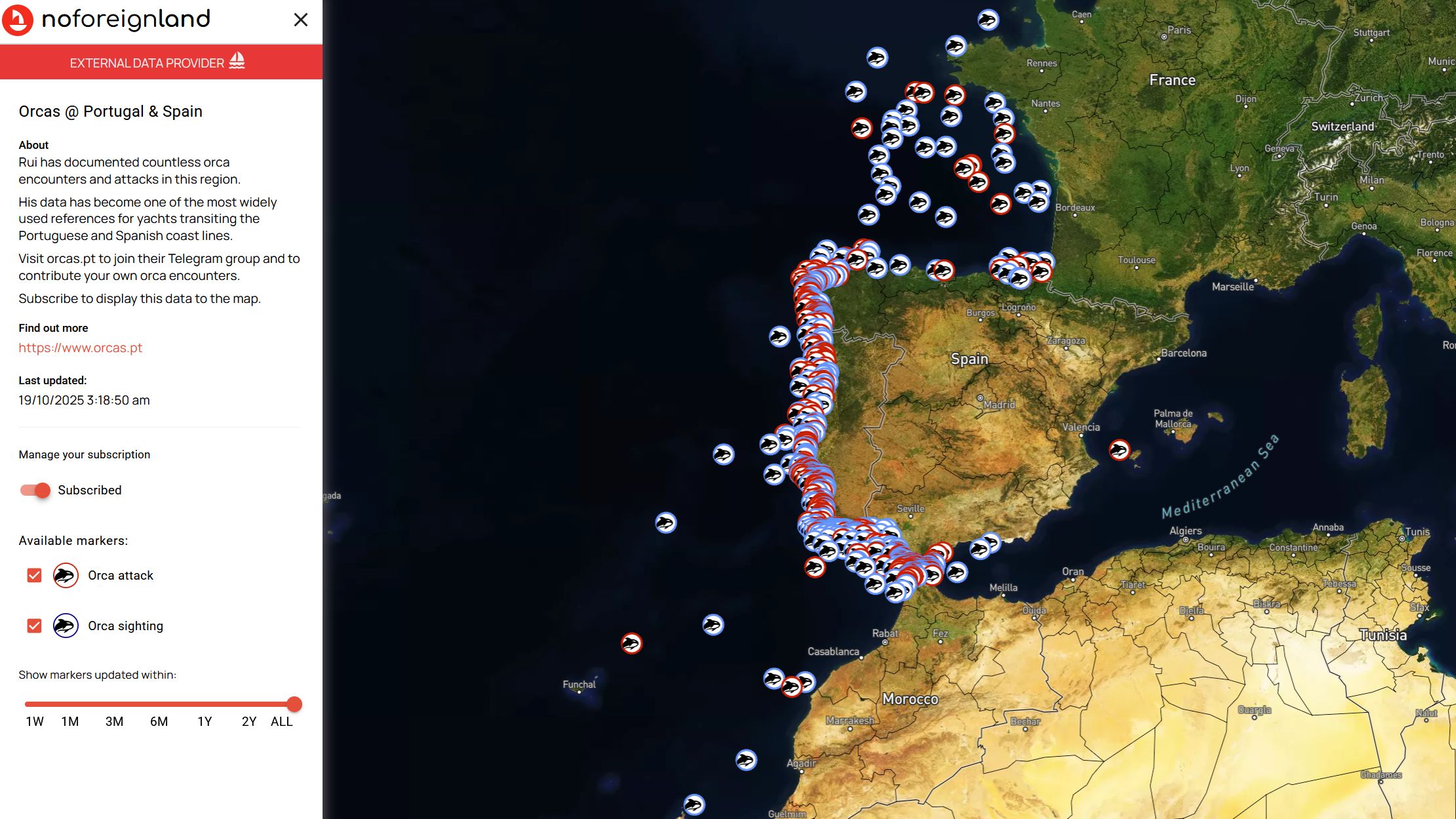
The data is community-driven and updated regularly, making it a valuable planning aid rather than a prediction tool. It does not mean orcas will be present, but it helps sailors make informed decisions based on recent activity. Avoidance remains the most effective strategy in minimizing the risk of orca damage.
What to do if orcas approach your boat
Advice has evolved since the first incidents were reported, and not all older guidance is still recommended.
Based on current scientific consensus and official recommendations from Spanish and Portuguese authorities:
- If conditions allow, maintain controlled headway and steer towards shallower coastal waters within safe navigational limits. Fully stopping the vessel is no longer generally recommended by authorities, as it has been associated with longer interactions in some cases.
- Autopilot should be disengaged, and crew should keep clear of the helm. Steering wheels and tillers can move violently if contact with the rudders occurs.
- Crew members should remain calm, stay low, and avoid moving unnecessarily around the deck. No one should lean over the side, attempt to touch the animals, or make noise to deter them. Be aware, any form of harassment or deterrence is actually illegal.
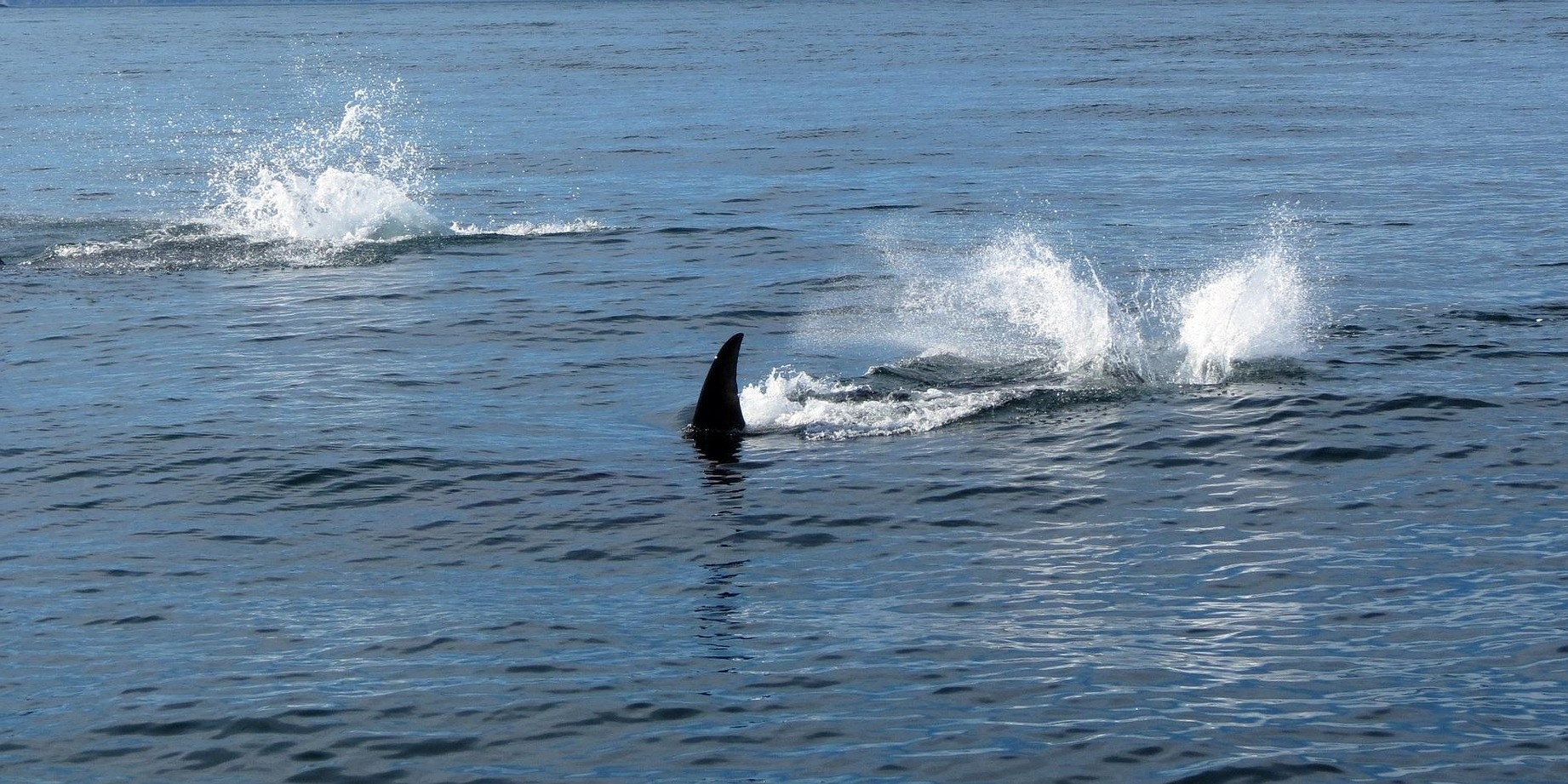
- If it’s safe to do so, take photos or videos of the animals, particularly the dorsal fins. This can help researchers identify individuals, furthering their research into the behavior.
All sightings and interactions should be reported to the nearest Maritime Rescue Coordination Centre using VHF Channel 16.
- If there is immediate danger to the vessel or crew, a MAYDAY should be issued
- If the situation is urgent but not life-threatening, a PAN-PAN call is appropriate
- Sightings that may affect other vessels can be broadcast as a SECURITÉ call
Authorities may also request follow-up information, including position, time, vessel type, and any damage sustained. This reporting is critical for improving scientific understanding and refining future guidance.
If damage occurs
Once the animals have moved away and it is safe to do so, the rudder should be carefully checked for function. If steering is impaired, assistance should be requested immediately.
Carrying basic emergency repair materials and having a plan for rudder failure is recommended when sailing in affected regions. While serious damage is uncommon, being prepared can reduce your stress and improve outcomes if the orcas were to pay your boat a visit.
Putting the risk into perspective
While the idea of orcas interacting with your boat is unsettling, just know that the overall likelihood remains low. Even in high-risk regions, the vast majority of sailors transit without incident.
The key is preparation, awareness, and realistic risk assessment. Understanding where interactions are more likely, staying informed through shared data, and knowing how to respond calmly and correctly makes a meaningful difference. Orcas are one of our planet’s many incredible oceanic creatures and despite their unsettling behavior, this population is classified as vulnerable, in need of protection.
If you’ve sailed this region, share your experience down in the comments so that other cruisers can learn from you.