
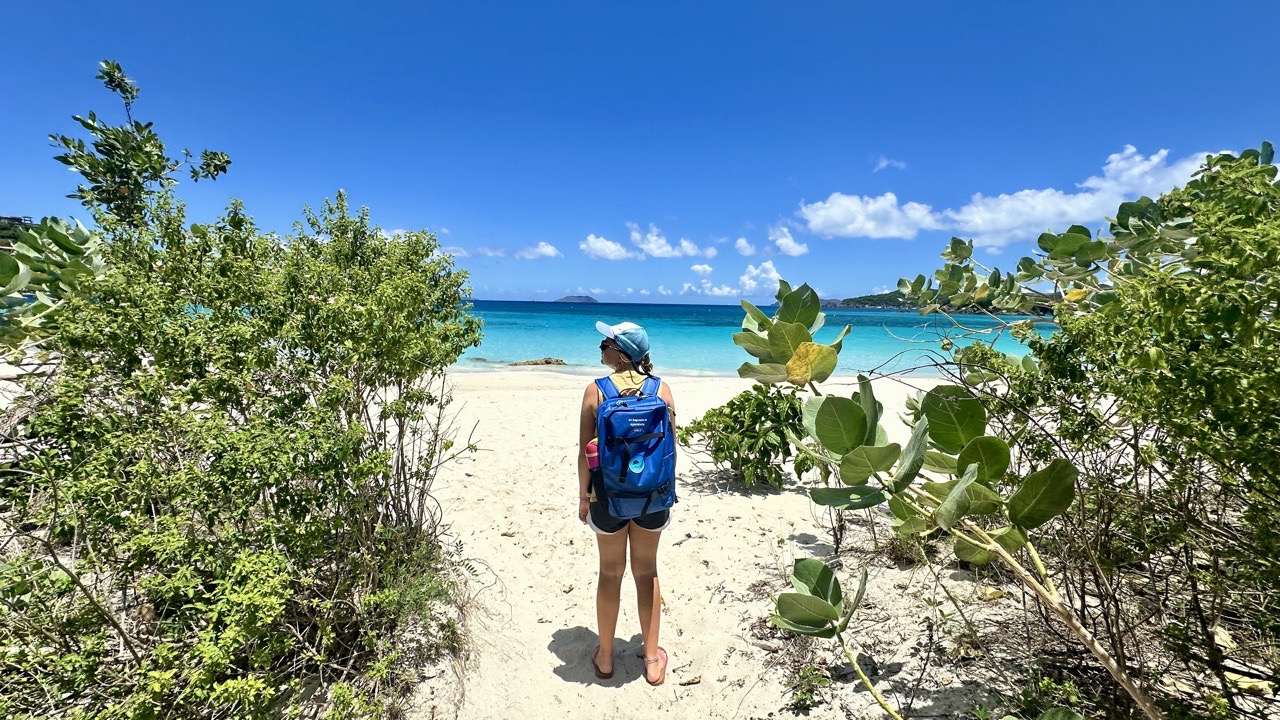
There’s something undeniably different about a childhood spent at sea. Not superior to every other kind of upbringing. Not without its challenges. Just different — in ways that are almost impossible to articulate unless you’ve lived it firsthand.
When we first moved aboard our 45-foot sailboat with Sophia, she was still young. We thought we were mostly just changing our address. What we never anticipated was how profoundly this way of life would shape her worldview over time.
Because out on the water, learning never really stops. It unfolds every single day.
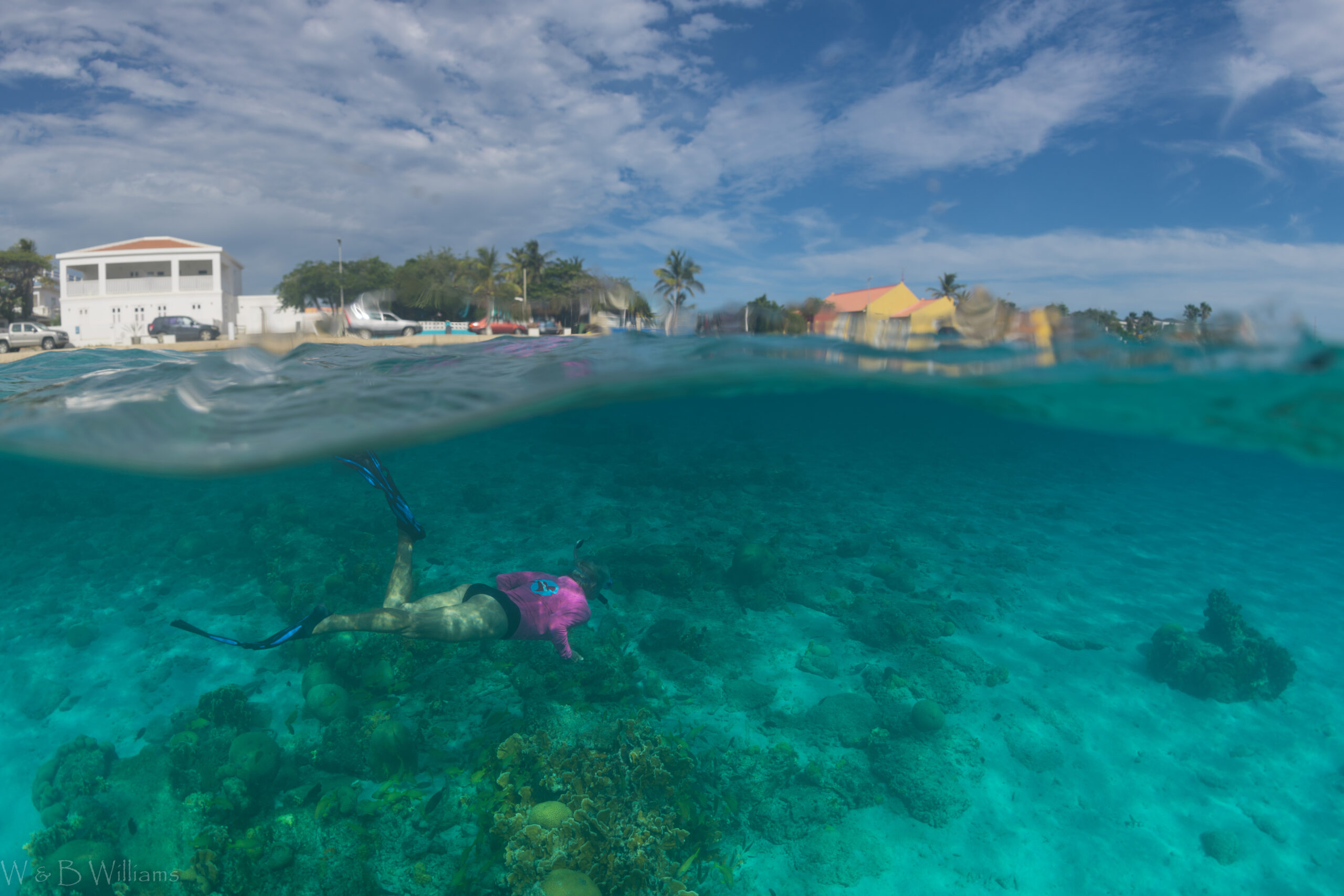
Geography stops being an abstraction when you’re sailing between islands, studying weather patterns, tracking ocean currents, and waking up somewhere entirely new. History takes on a different weight when you’re standing inside centuries-old Caribbean ruins or wandering through old sugar plantations tucked inside national parks. Marine biology isn’t a chapter in a textbook — it’s squid circling the dinghy at night, sea turtles during morning snorkels, rays gliding through shallow anchorages, and coral reefs just a few feet beneath the hull.
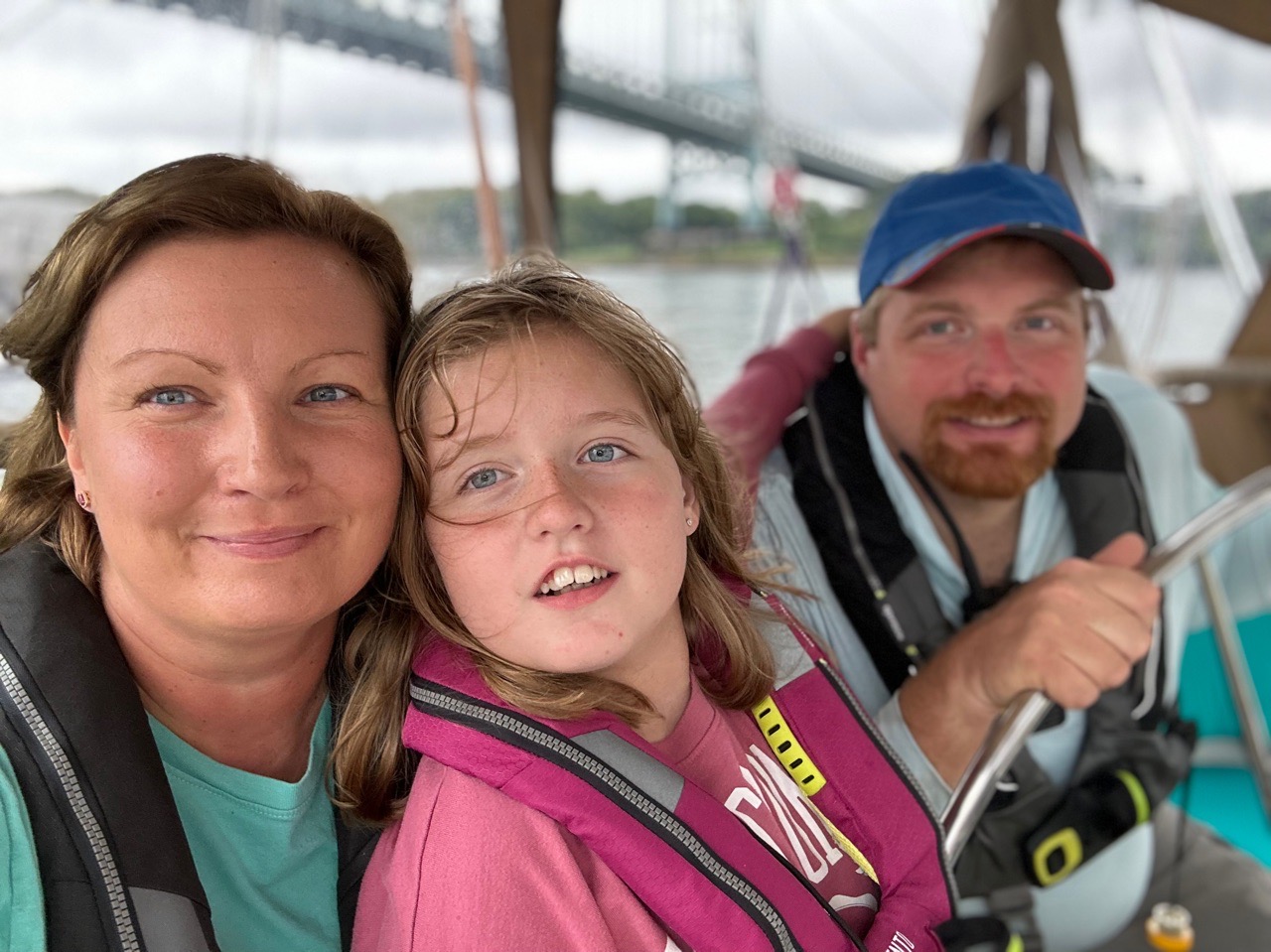
Boat kids learn flexibility early
Life aboard teaches adaptation, because change is constant. Weather shifts without warning. Anchorages get swapped. Passages get delayed. A planned beach day can become a repair day in an instant, and a “quick afternoon sail” can stretch into an overnight crossing.
Sophia has grown up learning how to roll with all of it — helping with lines, reading weather, recognizing shifting conditions, and staying calm in situations that would rattle most adults. She’s learned how to make friends fast and how to say goodbye when boats head their separate ways. That part never gets easy, but I think it’s given her something valuable; real appreciation for the people who are present in your life right now.
Confidence, communication & independence
What surprised me most has been watching how confidently Sophia holds conversations with adults.
Cruising communities are naturally multi-generational. Around anchorages, beach bonfires, dinghy docks, and sun-downers, kids become fully integrated into everyday social life. Sophia has learned to introduce herself, ask thoughtful questions, genuinely listen, and carry on real conversations with people from all over the world — sailors, fishermen, marina owners, local families, and fellow travelers from places she’d barely heard of a few years ago.
That confidence, I believe, comes from constant exposure to new people, new cultures, and unfamiliar situations. It also runs deeper than just social ease. This lifestyle has taught her that she can handle hard things — that she can step into an unknown situation and find her footing. There’s a quiet, unshakeable kind of self-assurance that develops when the world feels exciting rather than threatening.
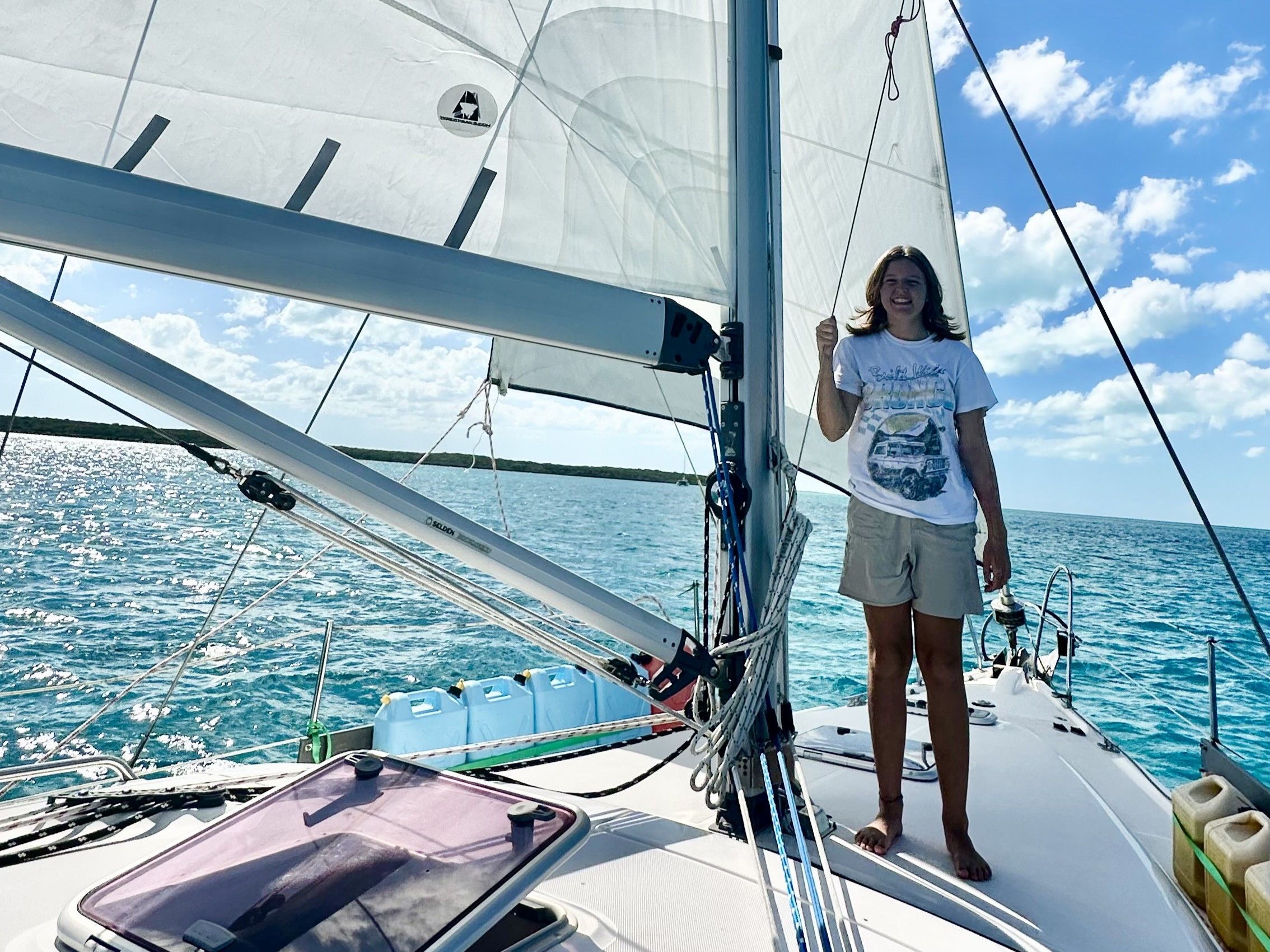
A childhood without constant pressure
Something else that’s been noticeably different; Sophia hasn’t grown up surrounded by the social pressures and bullying that so many kids encounter today.
Cruising kids come from vastly different backgrounds, countries, and cultures. They tend to bond over shared experiences and adventure, rather than trends or social status. No environment is perfect, but the cruising community has been genuinely welcoming and accepting in ways that have left a real impression on her.
And perhaps one of the most meaningful lessons this life has offered is this; happiness doesn’t come from accumulating things.
Instead of malls and brand names, her childhood has been filled with snorkeling reefs, hiking island trails, beach afternoons, guitar playing, vivid sunsets, and friendships formed in anchorages across the Caribbean. She still enjoys fun things like any kid, but she’s learned that experiences create far more lasting joy than constantly chasing the next purchase.
Time for passions & real-life skills
Without the relentless pace of a packed activity schedule, she’s had genuine space to discover what she actually loves — guitar, swimming, reading, exploring, creating, and following her own curiosity wherever it leads.
She’s also probably learned more about boat maintenance than most kids ever will.
When you grow up aboard, fixing things is simply part of everyday life. Sophia knows sailing terminology, understands basic tools, handles lines and fenders, and has spent years watching us troubleshoot systems and keep the boat running. Boat kids naturally become part of the crew, and that teaches responsibility, problem-solving, and real capability in ways that are hard to replicate anywhere else.
I don’t think she’ll grow up easily impressed by surface-level things. She’s already seen firsthand what genuine resilience, hard work, and capability look like. My hope is that she carries that forward; valuing character over appearances, real confidence over social performance, and authenticity over the need to impress.
Most of all, I hope she always knows her own worth.
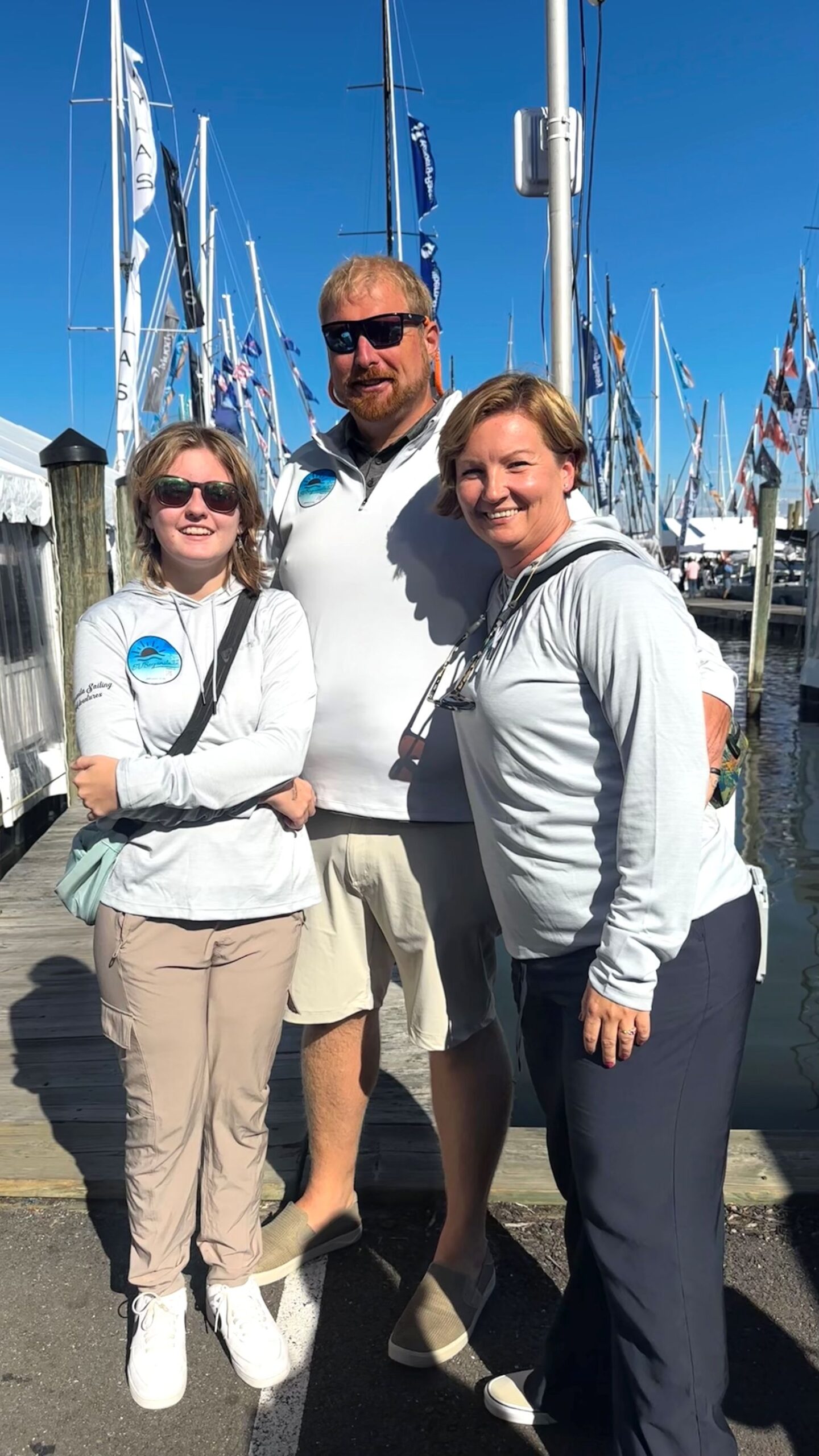
Why boat kids often seem more mature
Over the years, we’ve noticed that kids who grow up cruising tend to carry a certain maturity beyond their age.
Not because the childhood disappears; they still swim for hours, laugh constantly, and run barefoot everywhere. But a strong sense of responsibility and awareness develops early. And one of the most beautiful things to witness is how naturally they look out for one another.
Cruising kids form deep friendships quickly despite coming from completely different backgrounds. Older kids look after younger ones. They include each other without being asked, explore together, and genuinely care about each other’s wellbeing. Growing up in these floating communities teaches something powerful; life works better when people lift each other up instead of competing.
Is this a “Normal” childhood?
Sometimes we wonder whether we took Sophia away from a normal life.
But then I ask myself — who decides what normal is?
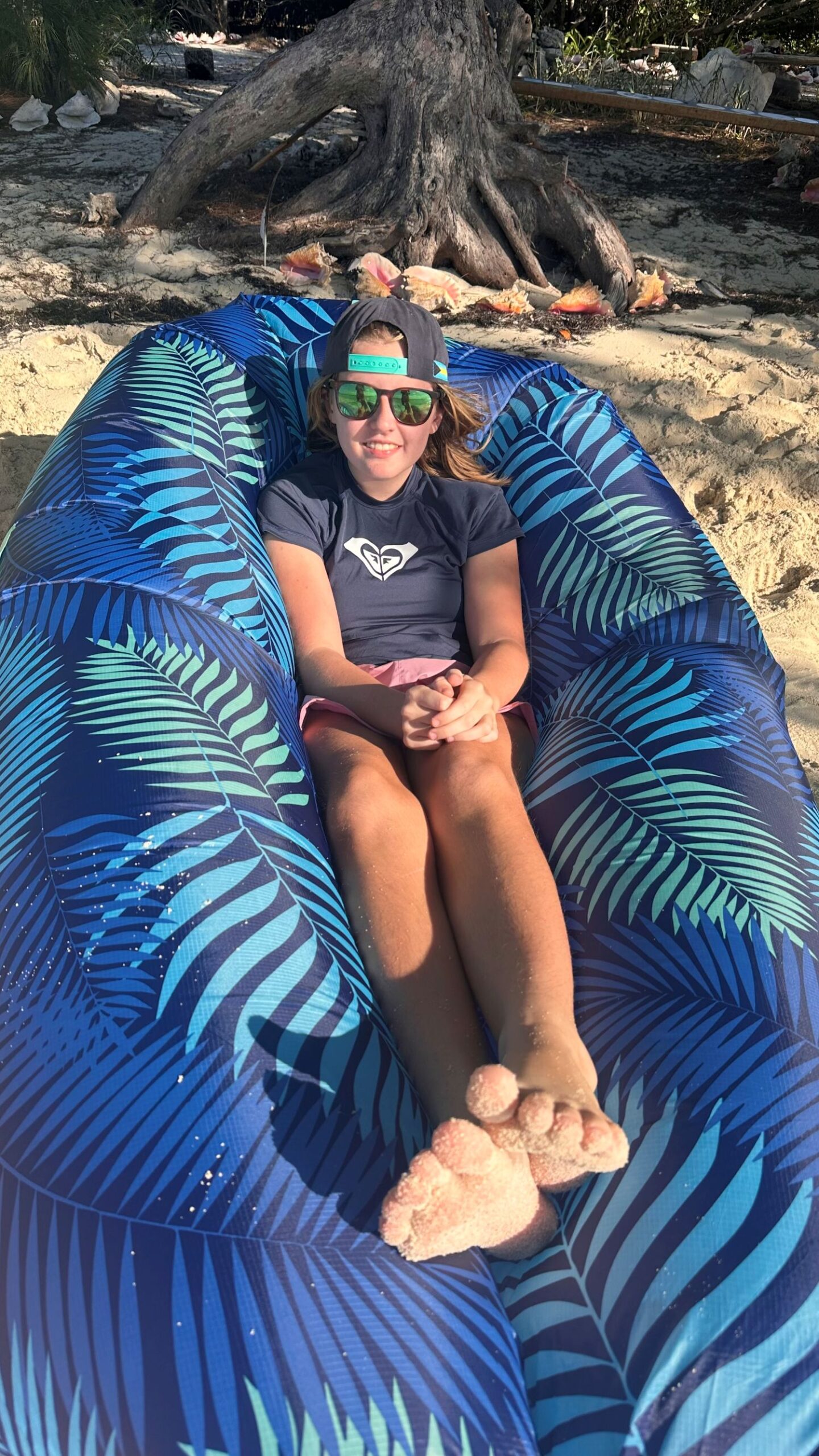
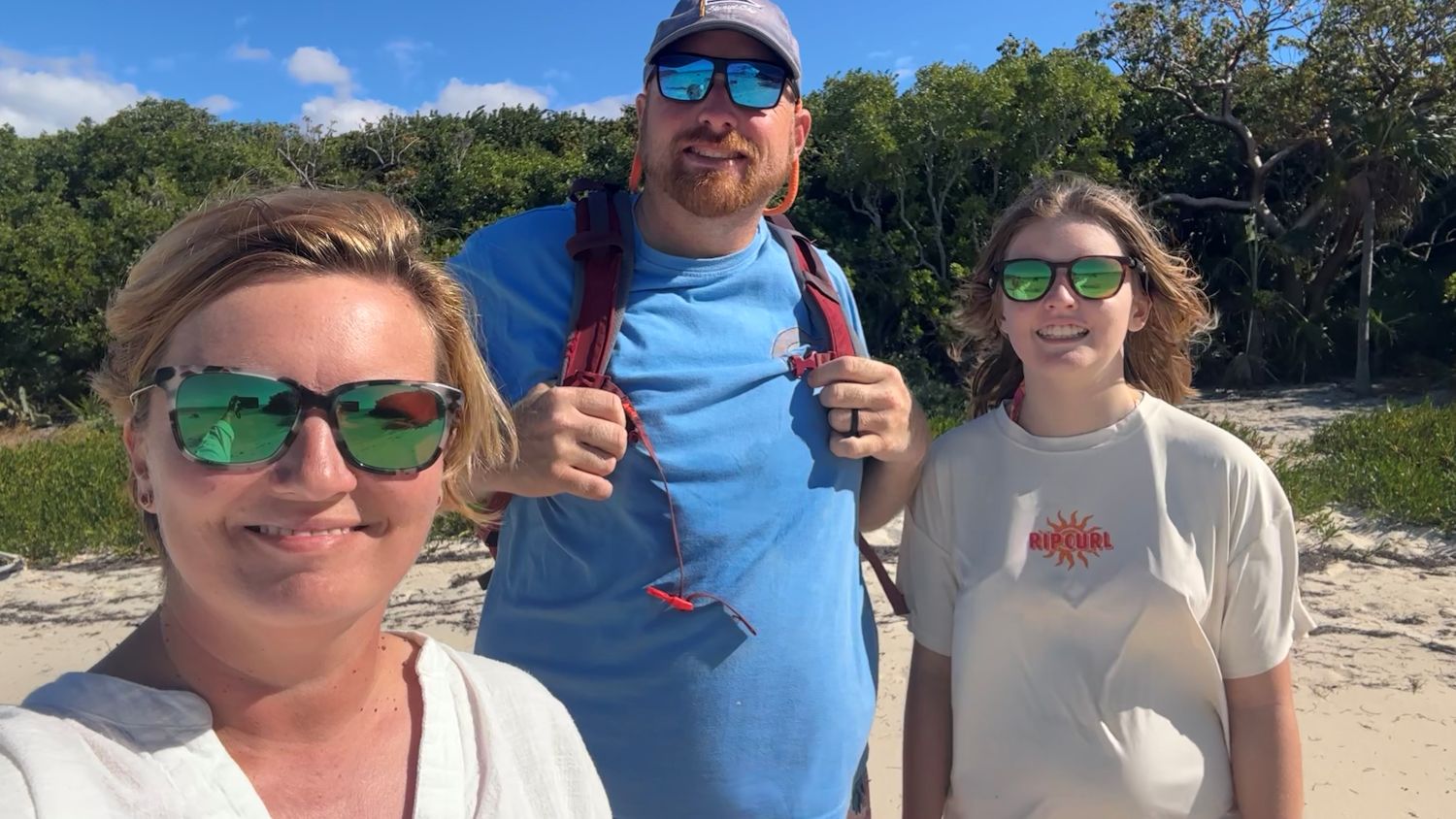
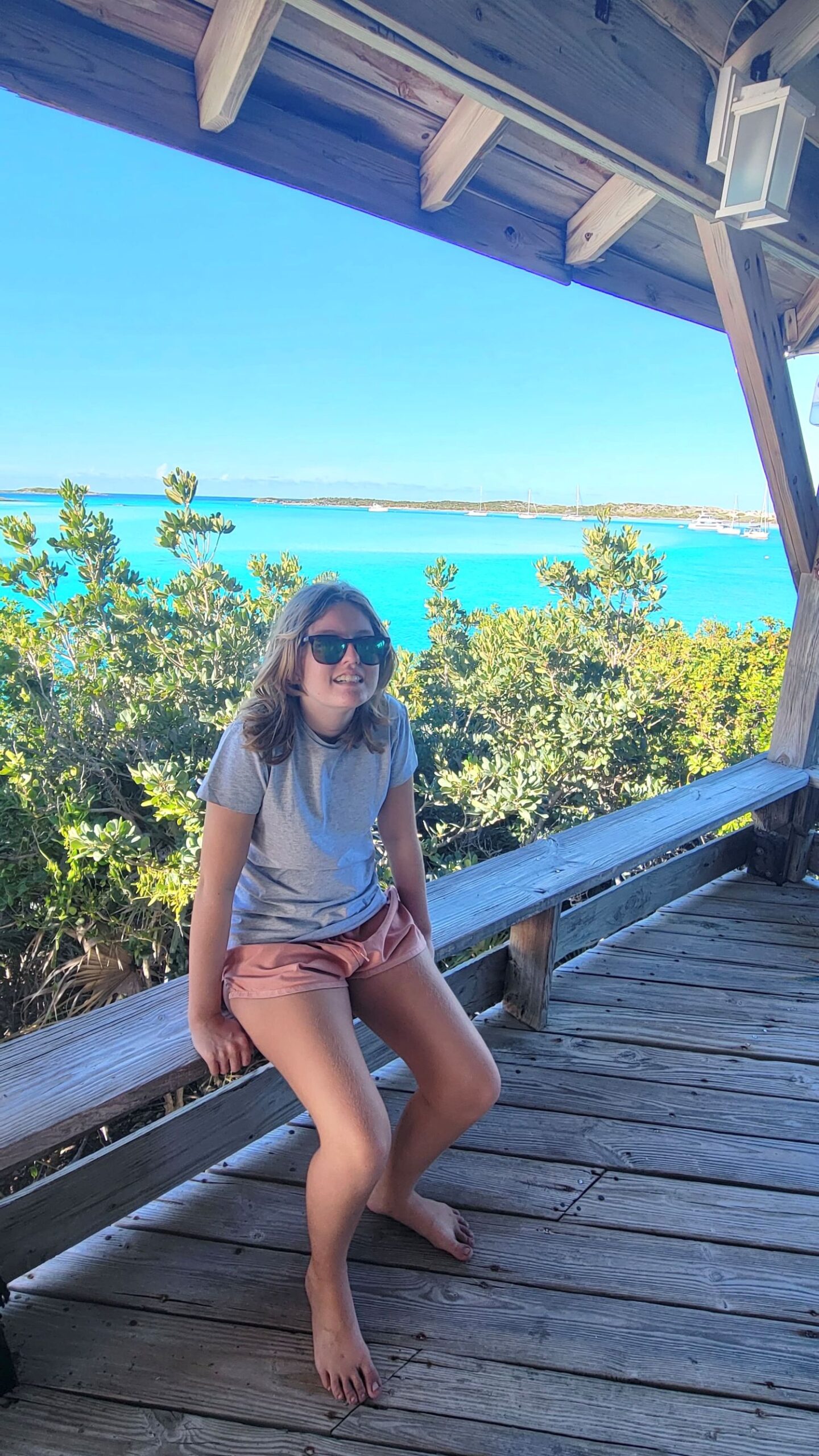
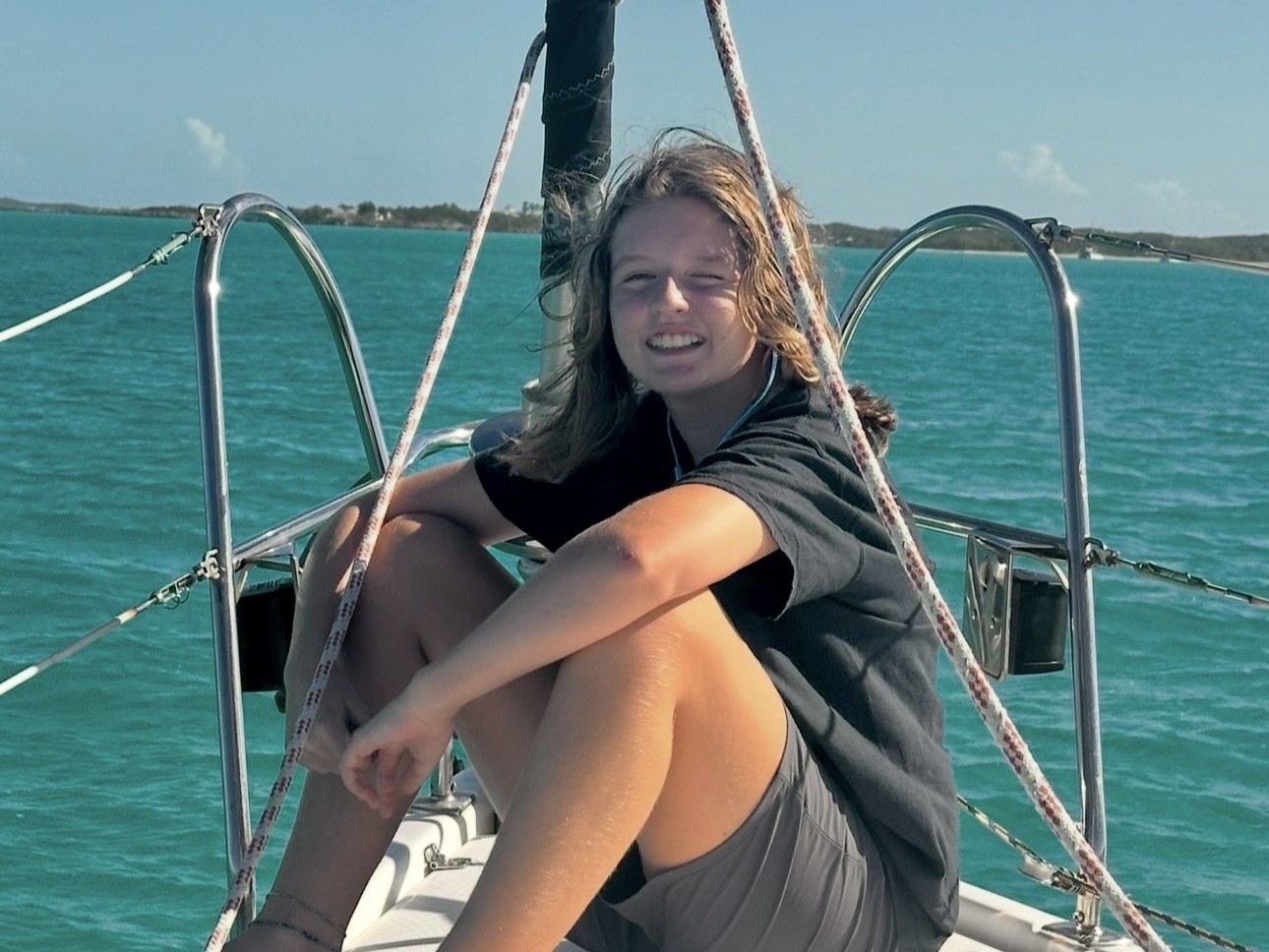
For her, this is normal. Waking up on the water. Exploring new islands. Learning through experience. Meeting people from every corner of the world. Watching sunsets from the bow of the boat. Living closely together as a family, day after day.
At the same time, we always remind her how fortunate we are. Not every child gets to experience this, and we never want her to lose sight of that. We also remind her that there was nothing wrong with life before sailing. We had a full and happy life on land. This wasn’t about running away from something, it was about choosing a different path for a season, one that let us experience more of the world together.
And traditional life will always be there if she wants it. A house, college, a career — none of that disappears because she spent part of her childhood at anchor in the Caribbean. But childhood itself is fleeting.
These years together, exploring the world side by side, are years we can never reclaim later.
What this lifestyle has really taught us
More than anything, this experience has reminded us that life is fundamentally about people and moments.
Schoolwork can be caught up. Routines will always exist. But the friendships, the conversations, the cultures, the passages, the sunsets, the beach bonfires, and the everyday moments we’ve shared as a family during these years — those are irreplaceable.
And I believe those experiences will stay with Sophia long after any memorized fact has faded.
We’ve also treasured the time itself. In a world that pulls families in every direction, this life gave us something rare — real, unhurried time together. Not rushing past each other, but actually experiencing things side by side.
Above all, Sophia has remained genuinely humble through all of it. She doesn’t carry any sense of superiority about this lifestyle. If anything, it’s deepened her appreciation for people from every walk of life. She treats a marina worker with the same warmth she gives a fellow cruiser or a local fisherman, because years of witnessing different cultures and ways of living have shown her that everyone carries their own story, their own struggles, and their own dreams.
As parents, that means more to us than any destination we’ll ever sail to.

By Anna Wanecka Swiacke
Anna is a liveaboard sailor who cruises with her husband Tony, daughter Sophia, and dog Bolt, following the wind along the U.S. East Coast, through the Bahamas and currently in the Caribbean. For Anna, life aboard is equal parts adventure and everyday magic. She homeschools Sophia from the cockpit and the cabin table, cooks creative meals in a constantly moving galley, and balances long passages with slow days at anchor. She loves getting lost in a good book and capturing moments through her camera lens — documenting the beauty of simple life at sea: sunsets, salt-streaked decks, and the people they meet along the way.









A great blog piece, thank you!
Beautifully written.
Such a wonderful article! Thank you for sharing. I am always amazed by the confident, friendly “boat kids” we have the privilege to meet. I am even more amazed by the parents! Living this beautiful, but sometimes challenging lifestyle while parenting (which is also beautiful and challenging)!
❤️
Liz, this comment made our day. It really is both beautiful and challenging in equal measure — thank you for seeing that.
Thank you for this wonderful article!
Having lived on board and sailed three years with our two kids I couldn’t agree more. ☺️
Beautifully written. Thank you for sharing.
Great article. I hope other families get inspired to follow your lead.
Well done Anna 🫶🏽🙌🏽