

Casting off the dock lines to live aboard full-time is the ultimate dream for many sailors, with thoughts of freedom, open ocean, and quiet anchorages.
Liveaboard life delivers on many of those promises. You do get to wake up in stunning bays, swim before breakfast, forge deep friendships with fellow cruisers, and carry your home wherever the wind blows.
But, beneath the postcard-worthy lifestyle, lies a set of unique, daily realities that not all newcomers anticipate. Beyond the obvious hurdles like anchoring, docking, night watches, navigating clearance procedures, and managing routine maintenance, there are some other, lesser known challenges that can present themselves.
The trap of over-buying
New liveaboards frequently admit to over-equipping their boats before leaving the dock. Lockers end up stuffed with things that never see the light of day, from musical instruments and hammocks, to niche kitchen gear and something you had in the house and decided to bring “just in case” or “just because”.
A better approach might be to start with the essentials, then add the rest over the course of months, once you know what you miss, what you need, and what would enhance your time on the water.
You will get wet in the tender
For most liveaboards, their dinghy is the equivalent of a pickup truck, family car, and grocery cart rolled into one. It’s also guaranteed to soak you more than a few times, usually when you least want it to.
Whether it’s a sudden afternoon squall, choppy harbor water, a tricky surf landing on a steep beach, or a poorly timed wave while unloading the groceries, wet rides are inevitable. Before you head off, invest in a couple of high-quality dry bags, and prepare yourself to laugh off the occasional saltwater drenching.
-
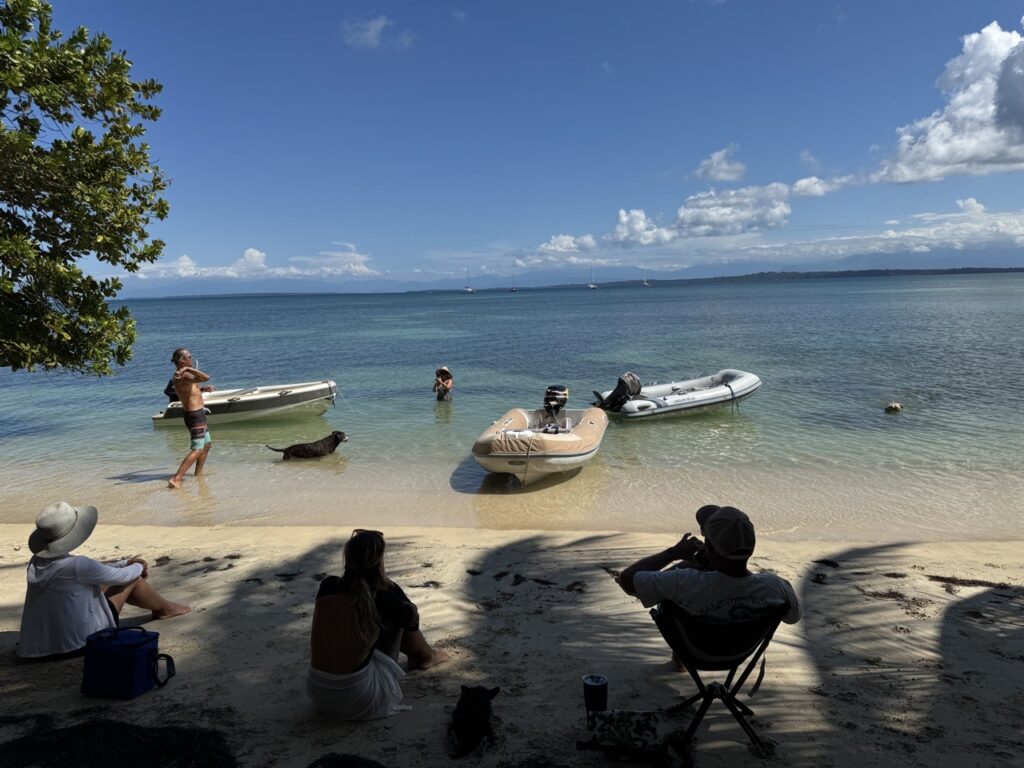
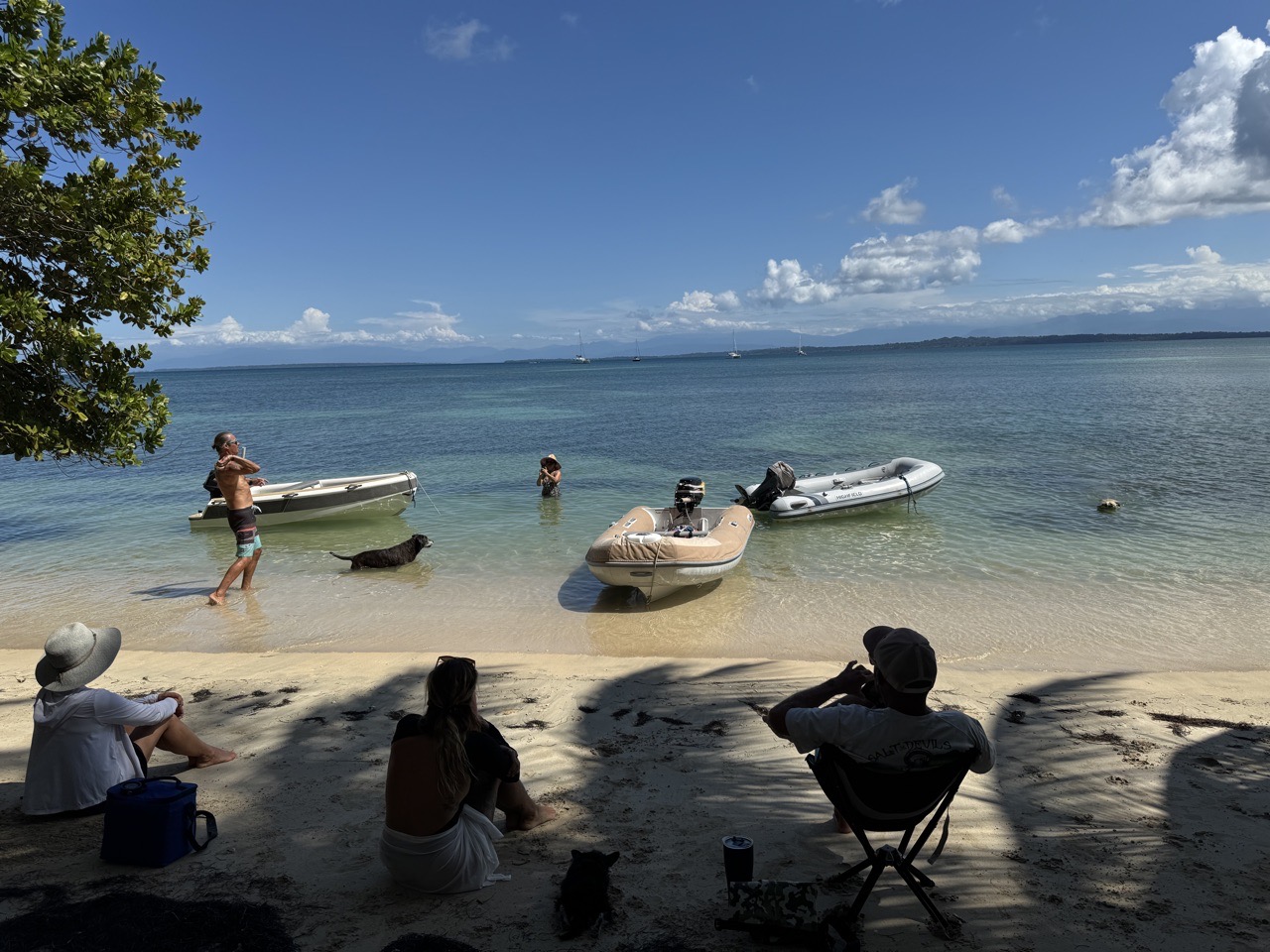
- SV Serenity captures the fun side of having a tender
“Boat Hours” and “Boat Dollars”
According to many experienced cruisers, boat jobs operate under their own laws of physics. Boat hours are much longer than the standard 60 minutes, and boat dollars have an apparent rate of inflation that drops jaws.
Whatever time or budget you allocate for a repair, always prepare yourself for it to be more. Living on a boat is more work than living in a house, and there’s times where it can feel like everything on the boat is either broken, in the process of breaking, or waiting for the least convenient moment to fail. In those moments, remember why you’re out there; it makes the hard work feel worth it.
Supply chains move slowly in paradise
On land, a broken appliance or engine part can usually be replaced quickly, often with next-day delivery. When you’re out cruising, sourcing a replacement can become a weeks-long logistical nightmare.
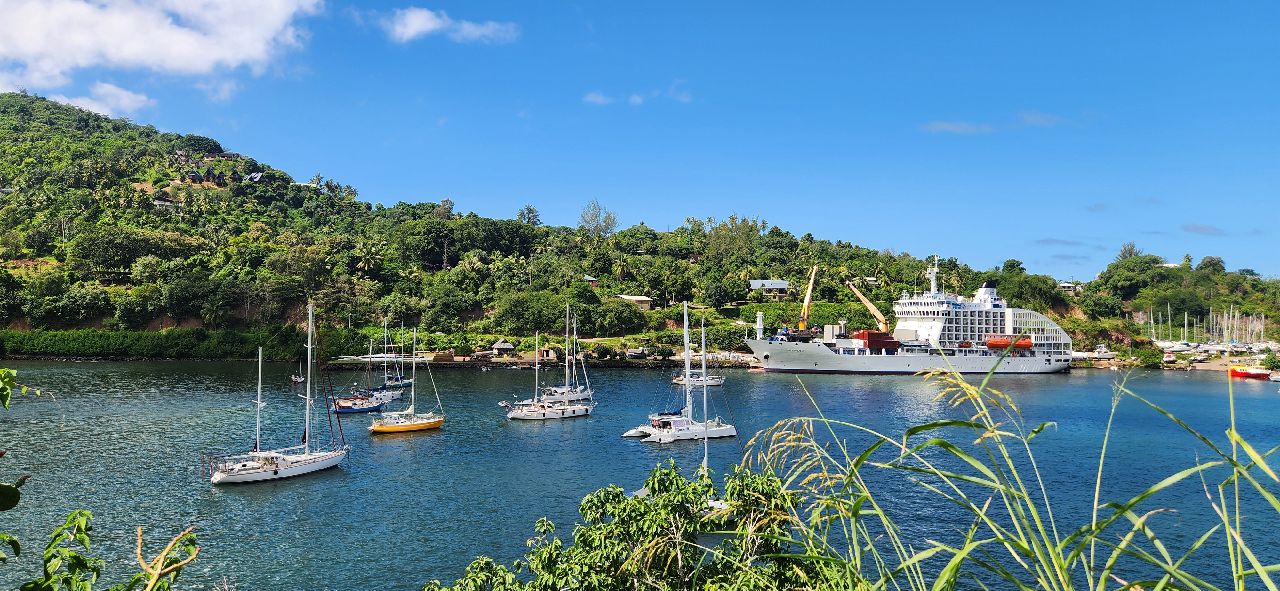
This is especially true once you get further and further away from your home base. In the Pacific, for example, the supply chains are worlds apart from what you might be used to in somewhere like Europe, Australia or the United States. And once a 240V boat starts cruising in 110V countries, and vice versa, even finding a simple household appliance can become a cross-world mission.
Overall just adjust your expectations. Prepare yourself to be self-reliant, adapt to delays and don’t be afraid to reach out to others for advice on how to get by, until you can get what you need.
Staying connected can be a blessing and a burden
Modern technology has fundamentally reshaped bluewater cruising. High-speed satellite internet, comprehensive mobile data networks, and a plethora of apps have made remote cruising more accessible and supported than ever before.
On the upside, platforms like noforeignland allow cruisers to track friends, read real-time anchorage reviews, share critical navigation hazards, and coordinate meetups across oceans. Weather models are available with a few clicks of the mouse, family and friends are a video call away, and just about any question you have can be answered online.
However, that constant connectivity can make it tempting to remain glued to weather models, emails, social media, streaming platforms, AI interfaces and group chats, bringing the digital noise of land life out to sea. It can be a challenge to find a balance in leveraging digital tools, without sacrificing the disconnect and peace that made many choose boat life in the first place.
YouTube vs. Reality
Among the latest generation of cruisers, there are those who candidly admit they watched one too many glossy YouTube videos before setting off, only to find the daily grind looks quite different.
As one cruiser noted in a recent noforeignland post, the reality of cruising rarely matches the polished highlight reels online. And while many creators are sharing their lives aboard, it’s important to keep in mind that these 20 minute videos are generally just a snapshot of a week or more of life. They’re edited into a fun package designed to entertain people following along at home, and the nuances of how long something took, how tedious the job was, and how much it cost to get done, can be lost.
-
- Fouled anchors
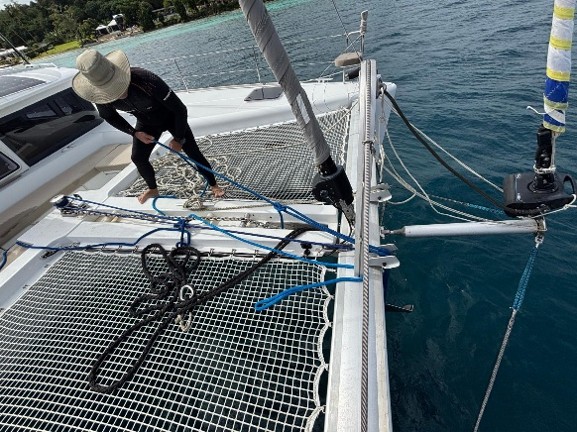
-
- High winds
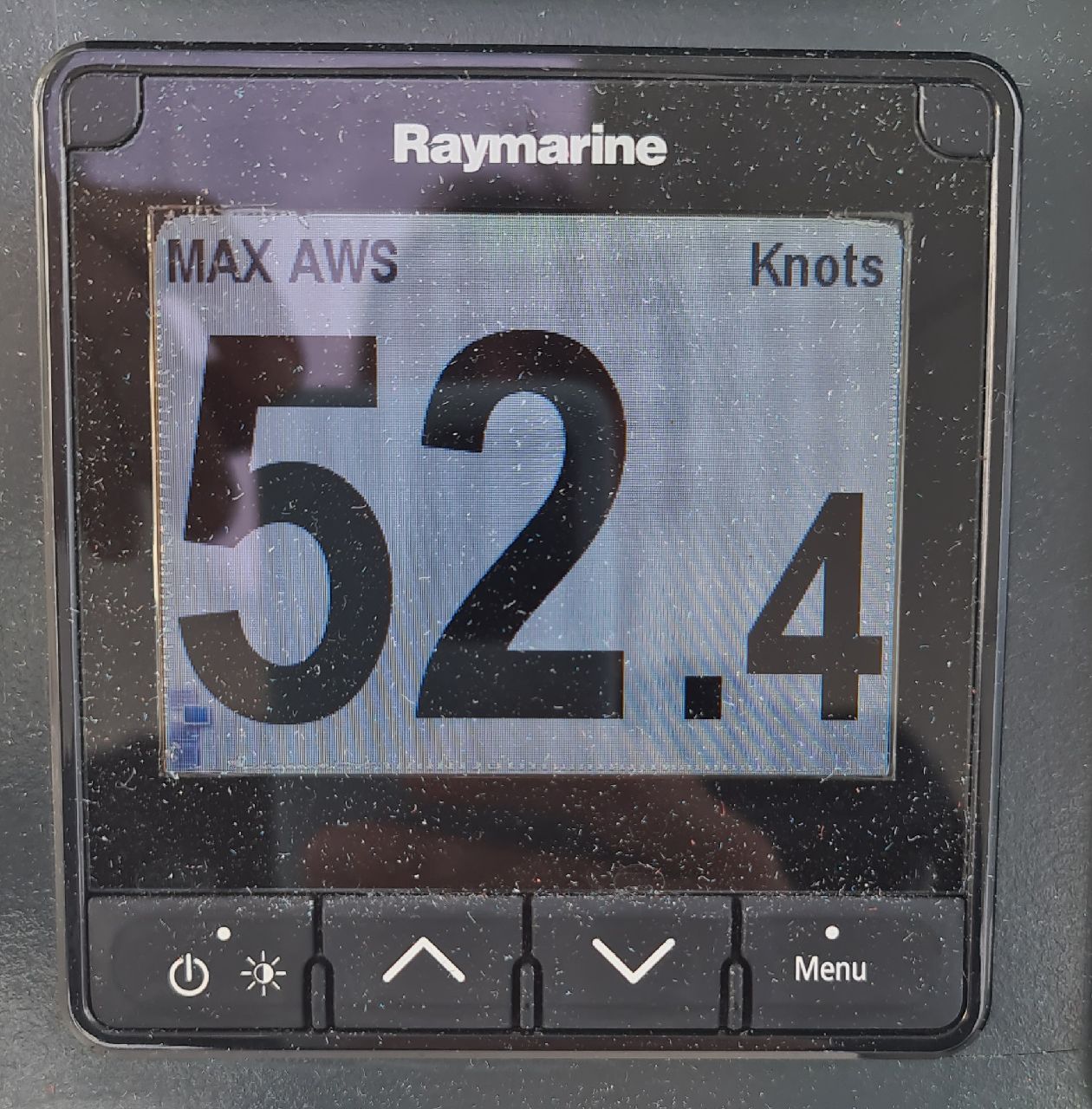
-
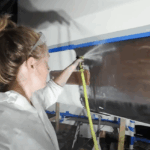
- Antifouling
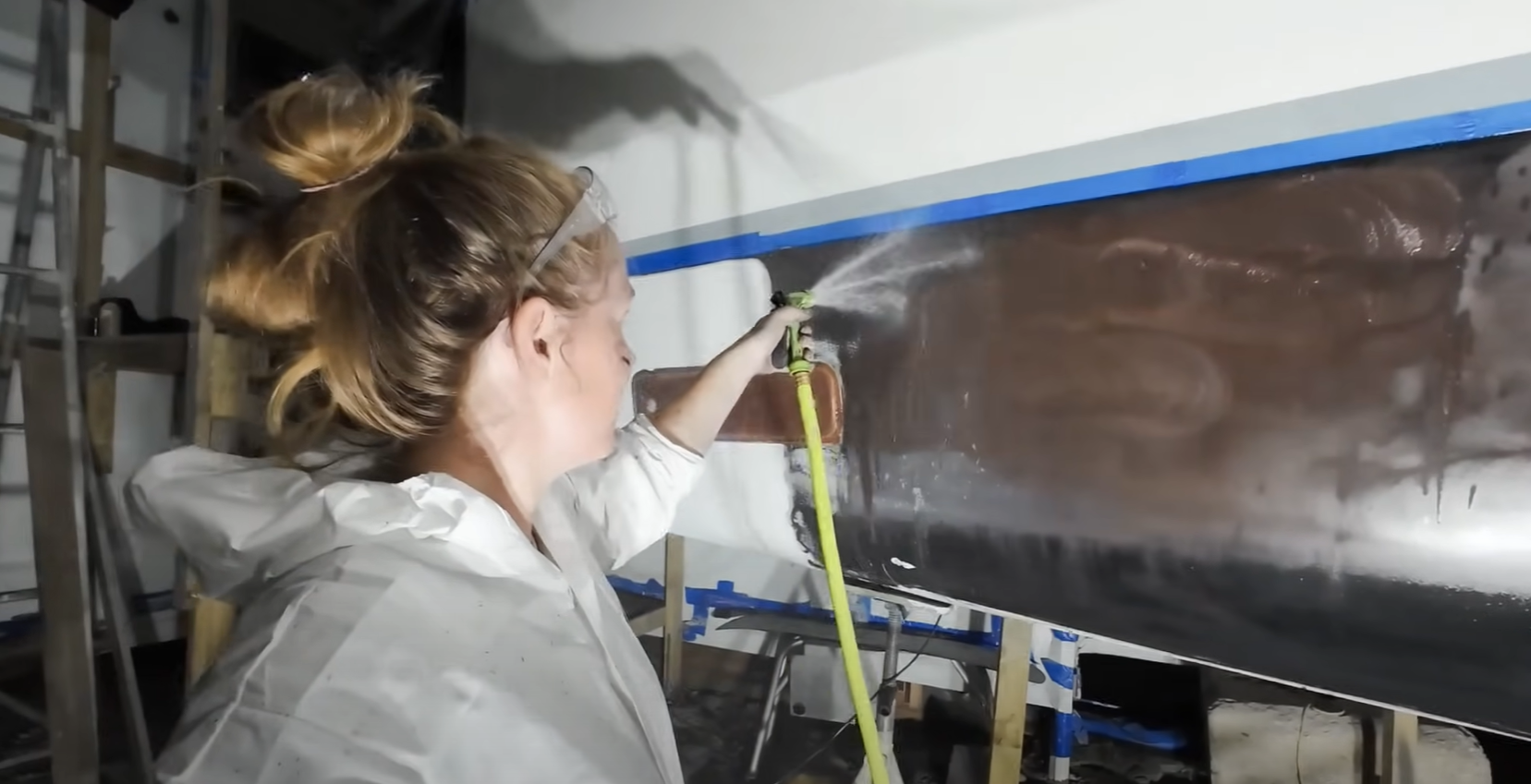
-
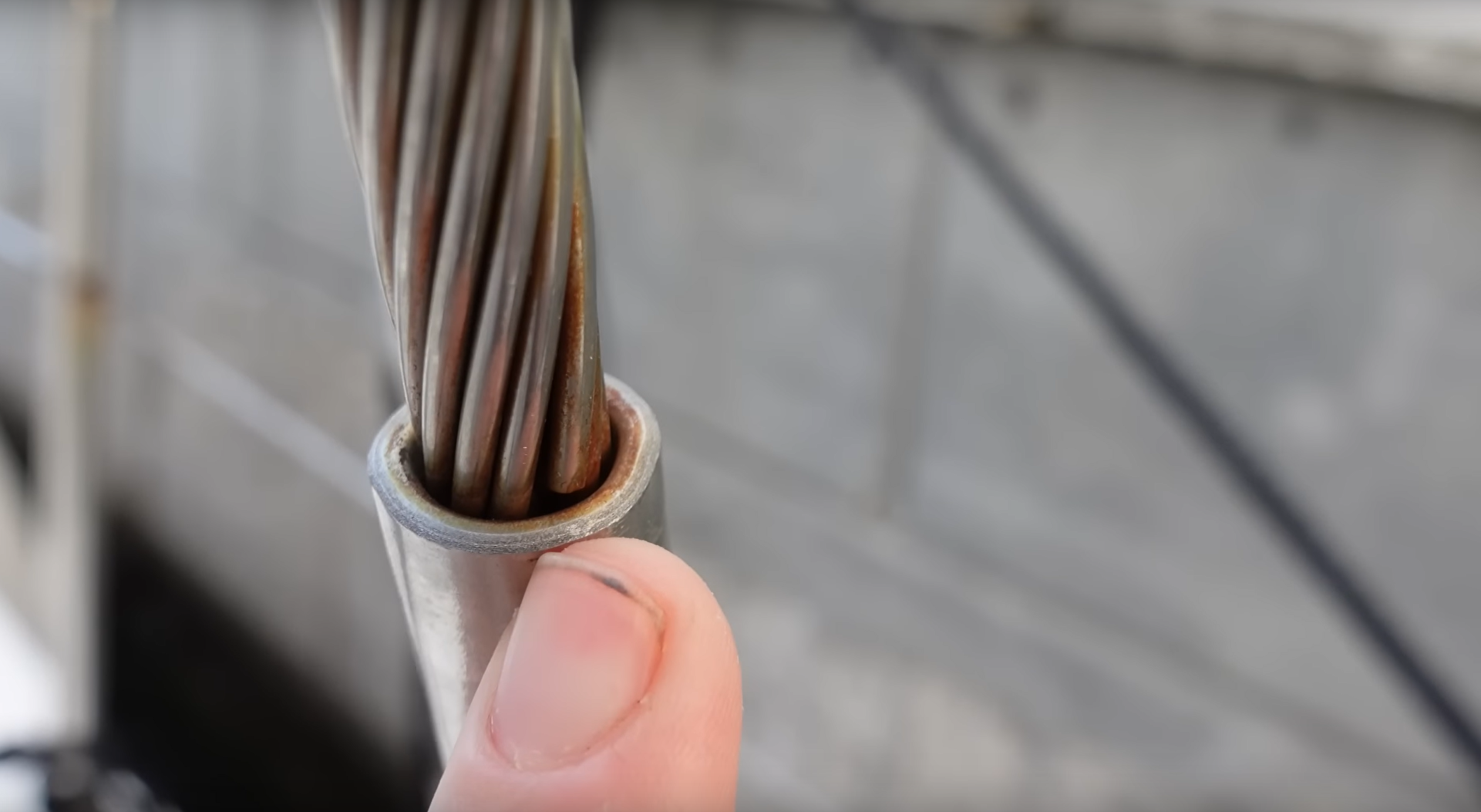
- Broken rigging
-
- Broken watermaker
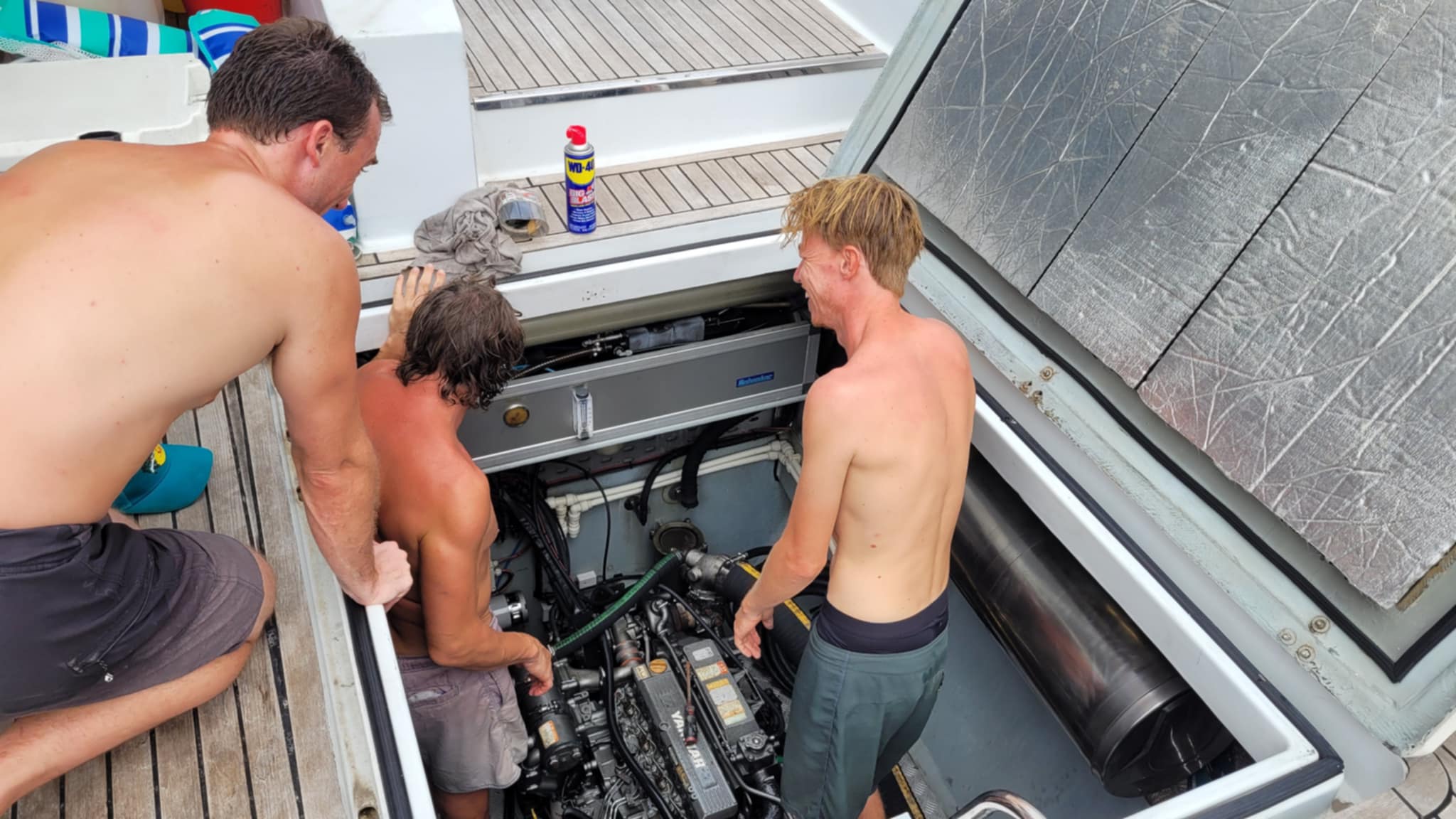
-

- Lightning
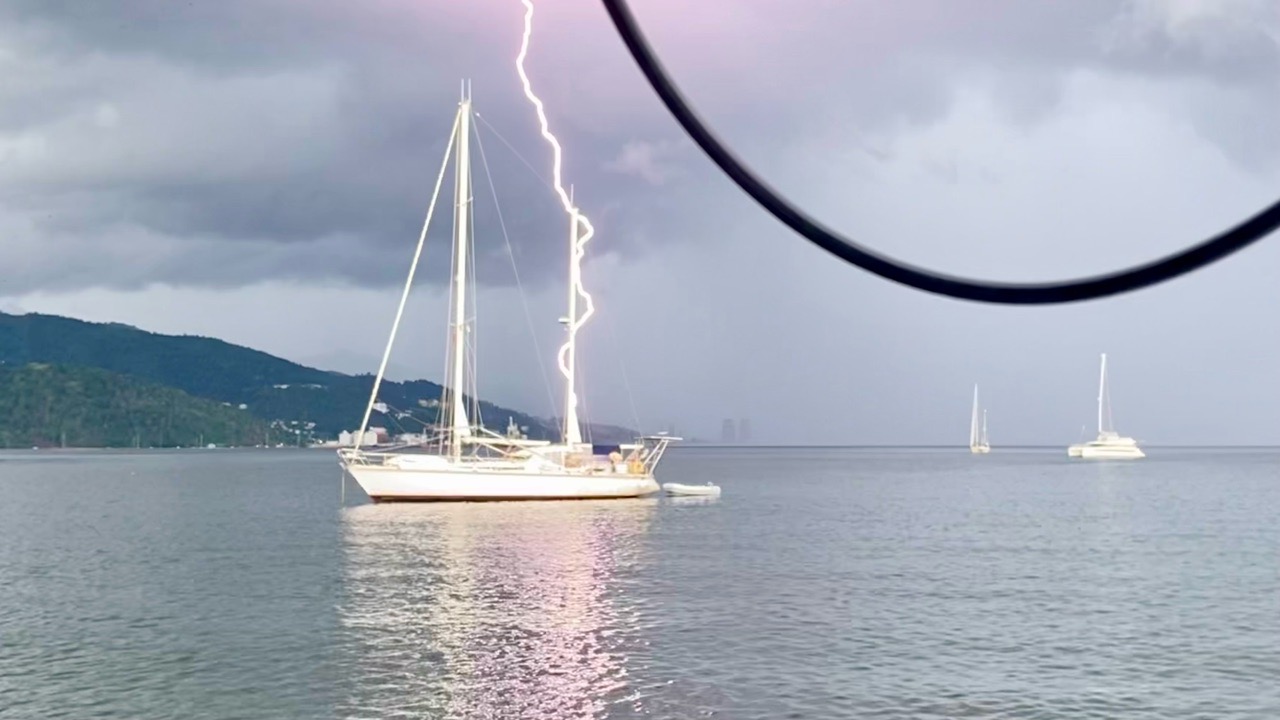
The real rewards of life aboard
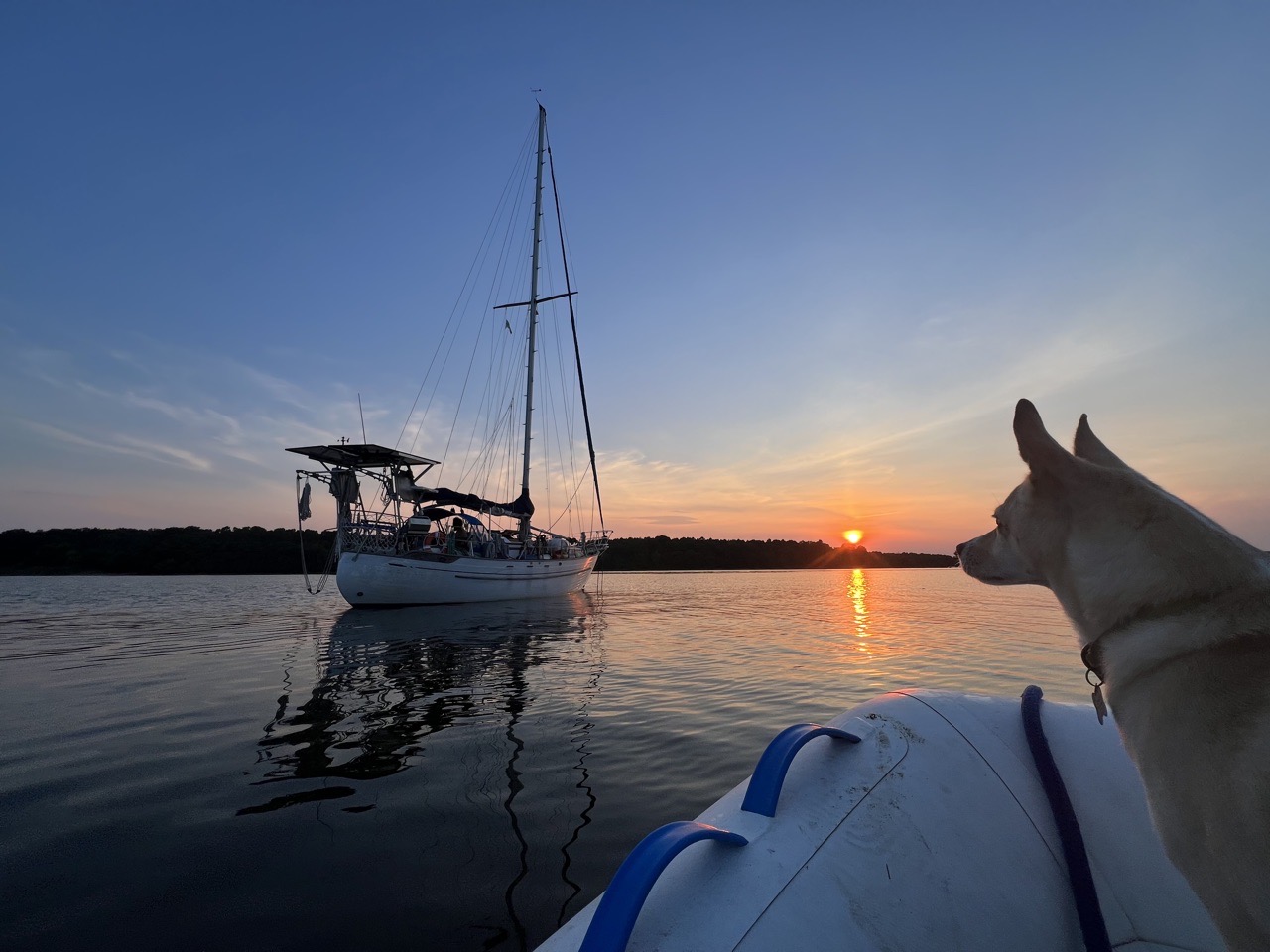
Despite the unexpected maintenance hurdles, wet dinghy rides, and delayed parts, life aboard remains one of the most rewarding adventures on the planet.
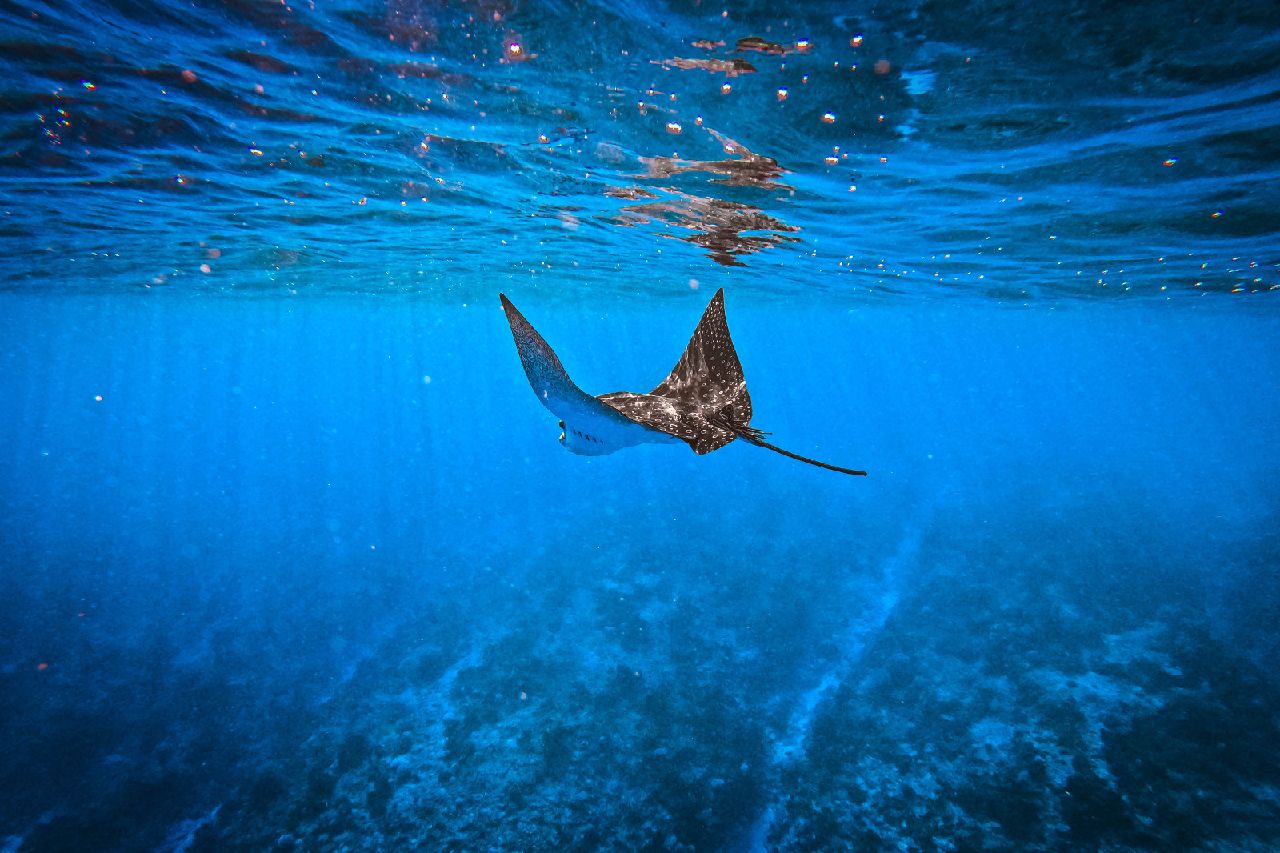
For every rolly night on anchor, there’s a morning spent swimming alongside sea creatures in crystal-clear water. For every complicated engine repair, there’s the satisfaction of sailing into a remote piece of paradise.
Living on a boat is not about finding an effortless escape; it’s about choosing a lifestyle that’s real, hands-on, challenging, and deeply fulfilling. By adjusting your expectations, staying adaptable, and leaning on community resources, you turn the unexpected challenges of boat life into the very stories that define your voyage.






“Boat hours are much longer than the standard 60 minutes, and boat dollars have an apparent rate of inflation that drops jaws.”
Very well put!😂
Thanks Michaela, great article 👍