
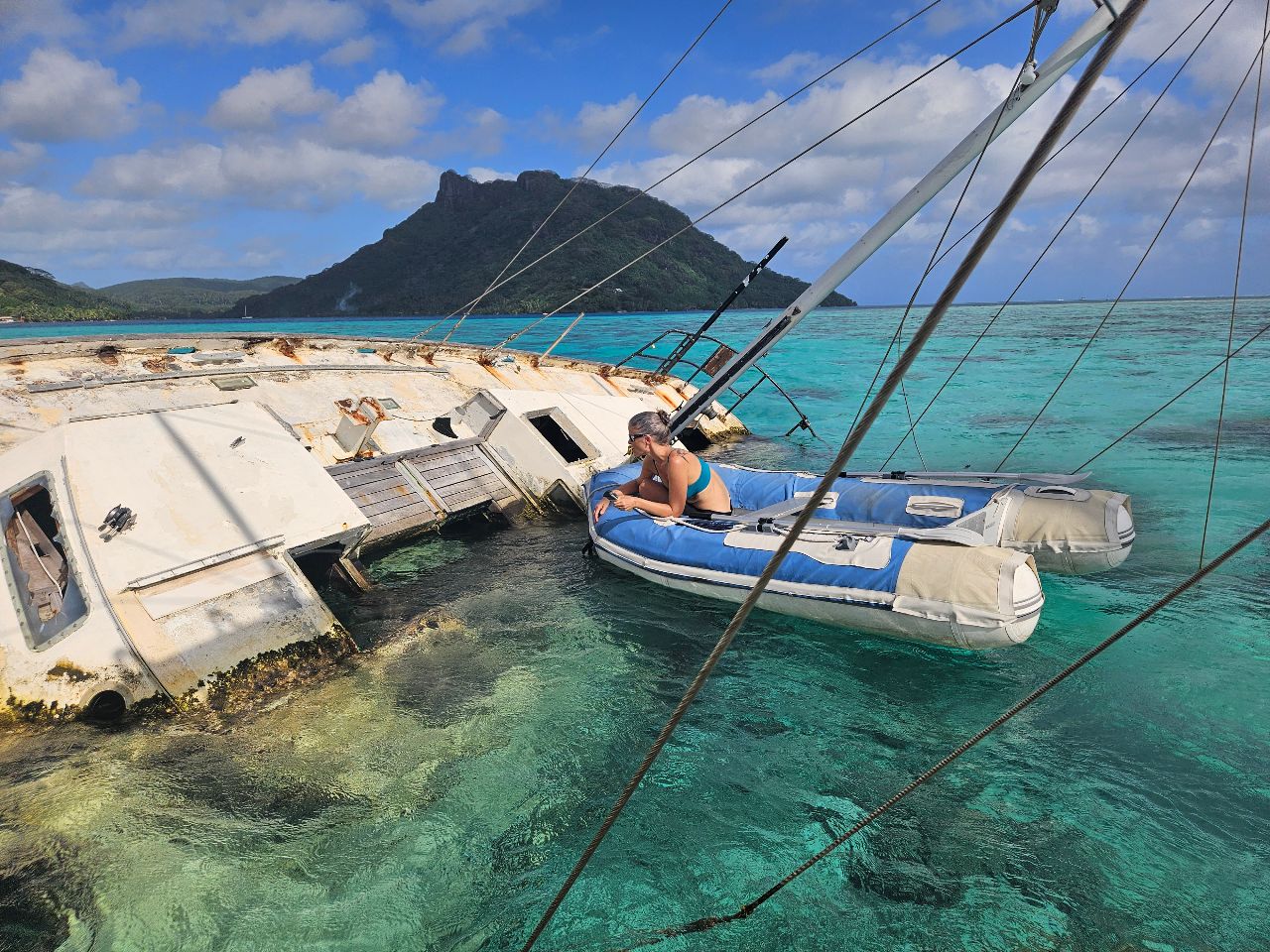
Boats are complicated machines operating in a pretty hostile environment. When things go sideways, the bill can quickly put a dent in your cruising budget.
Understanding where other boaters have run into trouble and taking action to mitigate risk is one of the best ways to protect your floating home. Based on what I’ve learned working at Pantaenius Yacht Insurance, here are nine of the most common insurance claims, and tips on how you can avoid them.
1. Collisions
Collisions are one of the most frequent sources of yacht insurance claims. These incidents range from minor dock bumps to severe hull breaches that result in the complete loss of the vessel. They can happen in crowded anchorages when wind shifts or sudden squalls cause boats to drag, or out in open ocean where debris like floating logs or shipping containers can be hard to spot. In some cases, collisions occur with marine life, such as whales.
- While underway, keep an active watch that doesn’t rely entirely on AIS or radar screens
- Use anchor alarms to warn you if your boat starts to drag
- Make sure you know the COLREGs
- Fender up in marina’s or at docks
- Slow down when sailing through fog, heavy rain, or debris-prone waters
If your boat collides with another vessel or object, the top priorities are checking the condition of the crew and hull. Look for water ingress into the bilge and hull, as well as cracks or leaks near the impact site.
For more information, check out this detailed noforeignland article on collision avoidance.
-
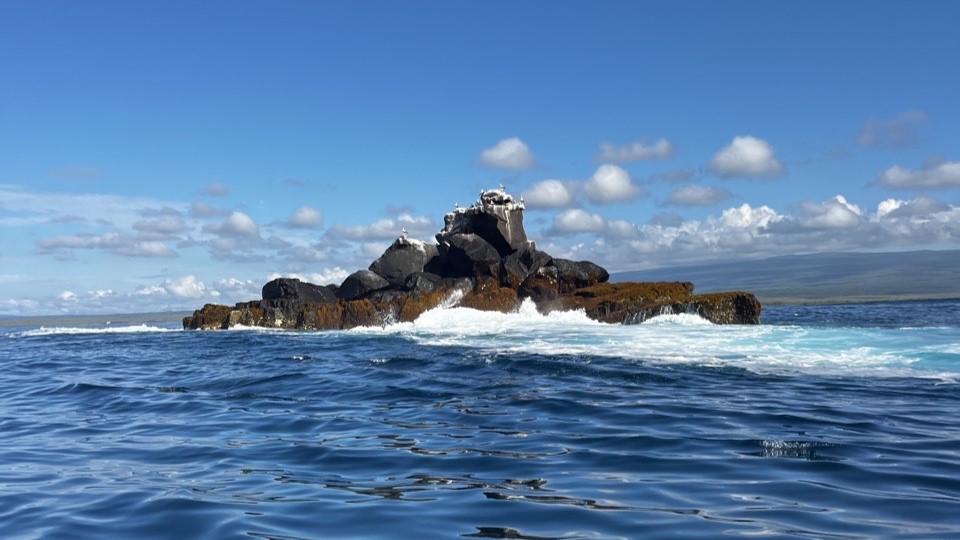
- Easy to spot during the day, but what about at night?
2. Weather, waves, and storms
Nature is indifferent to cruising plans, so there are many claims arising from weather, waves and storms. This can include wind damage to canvas or sails, broken lines with the hull smashing against concrete pilings or docks, and dragging into unsafe waters. In many cases weather warnings provide crews the time needed to act, but sudden shifts in wind direction can turn a safe harbor into a dangerous lee shore in minutes.
- If high winds are coming, secure the deck, sails and canvas covers
- At the dock use fenders, heavy-duty dock lines with proper chafe protection, and add spring lines or snubbers to absorb surges
- On anchor ensure your ground tackle is set, and you won’t collide with anything if the boat swings
- Monitor weather data and act on warnings immediately, rather than waiting for the wind to pick up
If you are caught in a storm, prioritize the safety of your crew. Keep a close watch on your bilge pump to ensure no water is entering, check the sails to make sure they’re staying put, and monitor the dock lines or anchor.
For those of you who are sailing in the tropics, have a read of fellow cruiser Richard’s article on the weather-driven insurance implications.
-
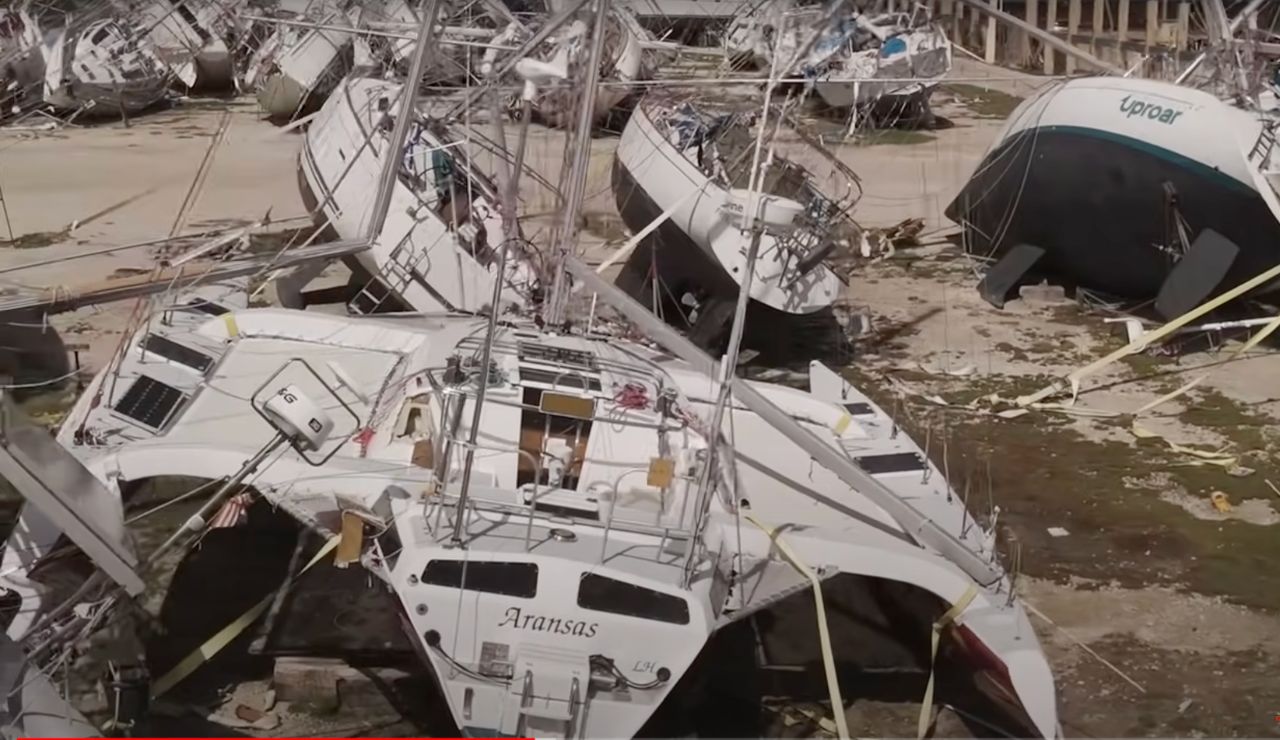
- Carriacou after Hurricane Beryl
3. Lightning
Lightning strikes are the nemesis of claims teams and boat owners alike because lightning damage is incredibly unpredictable; a strike can melt a single transducer or vaporize every wire and screen onboard. As a result, lightning claims often involve complex electrical testing to identify hidden circuit damage.
- Disconnect your boat from shore power when a storm is near
- Turn off electronics and remove antenna plugs to help minimize damage
- Put critical devices inside an EMP shielded case
- If you have one, ensure your lightning protection system is correctly installed
Immediately after a strike, check the bilge to verify that no hull fittings have blown out. From there it’s time to start testing critical systems to see what is or isn’t working, while also being aware of the risk of fire. If you’re an offshore cruiser, it’s a good idea to keep paper charts on board so you can navigate safely if all digital screens fail.
For more information, take a look at this article on lightning and lightning protection.
-
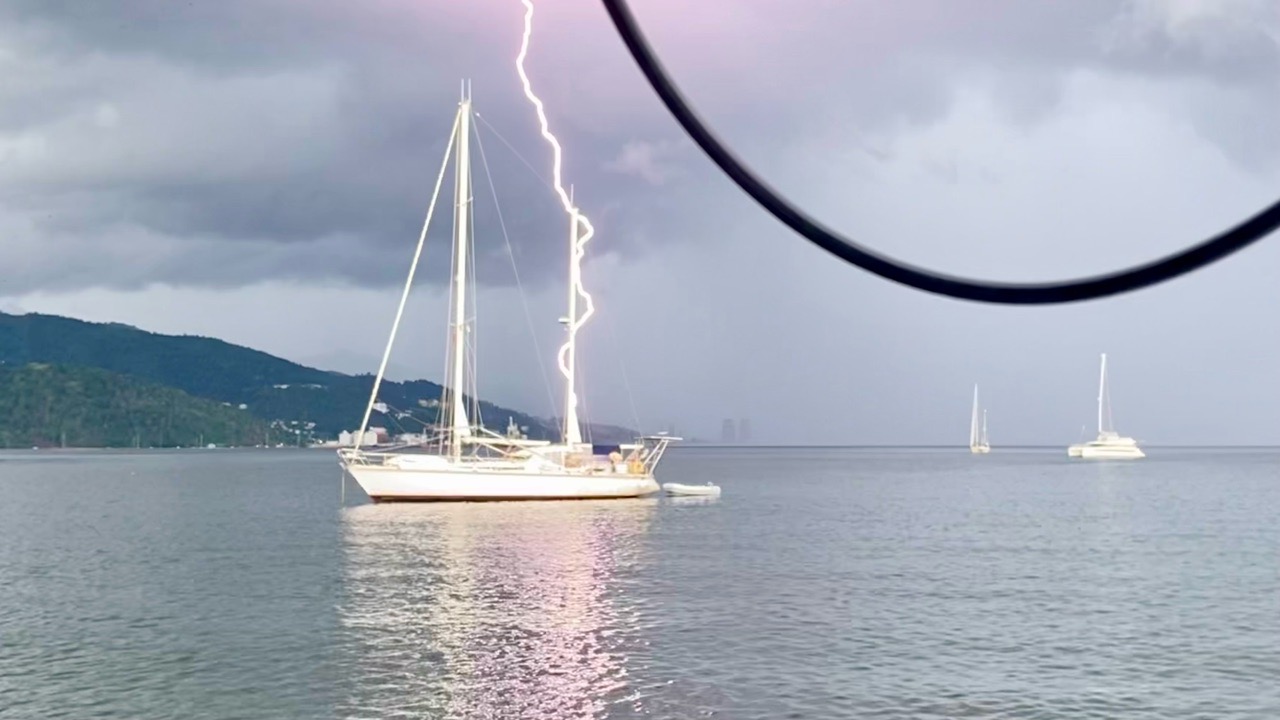
- Lightning
4. Grounding and stranding
Grounding claims usually involve a boat hitting the bottom, hitting a reef, or getting beached, with damage affecting the keel, propeller shaft, rudder, or hull structure. Many of these claims arise from tired or distracted crew, failing to correctly calculate tidal ranges, not zooming in enough on digital charts, dragging anchor, or breaking a mooring.
- Modern vector charts can hide dangers when zoomed out, so zoom in and inspect your route closely for rocks, shoals and reefs
- Regularly verify that your depth instrument shows the correct clearance below the keel
- Carefully read the local tide tables
- Inspect mooring chains, shackles, and deck cleats for wear and corrosion
If you run aground the first steps are to check the bilges and hull for signs of a breach. What you could do next is outlined in this article on groundings.
5. Theft and vandalism
Theft and vandalism usually involves stolen personal gear, dinghies, or outboard motors, rather than whole boat thefts. That’s because smaller items are easier for thieves to take, and to sell.
- Use a steel security cable or chain, and a heavy padlock to lock your dinghy
- Secure the outboard so it can’t easily be removed from the tender
- Put away expensive gear like fishing rods, paddle boards, and dive tanks before going ashore
- Lock doors and hatches when leaving the vessel
If you discover a theft or vandalism, document it with photos and videos before moving anything, and compile a list of the stolen items including serial numbers and estimated values. File a detailed report with the local police and share the information with other cruisers.
6. Sinking
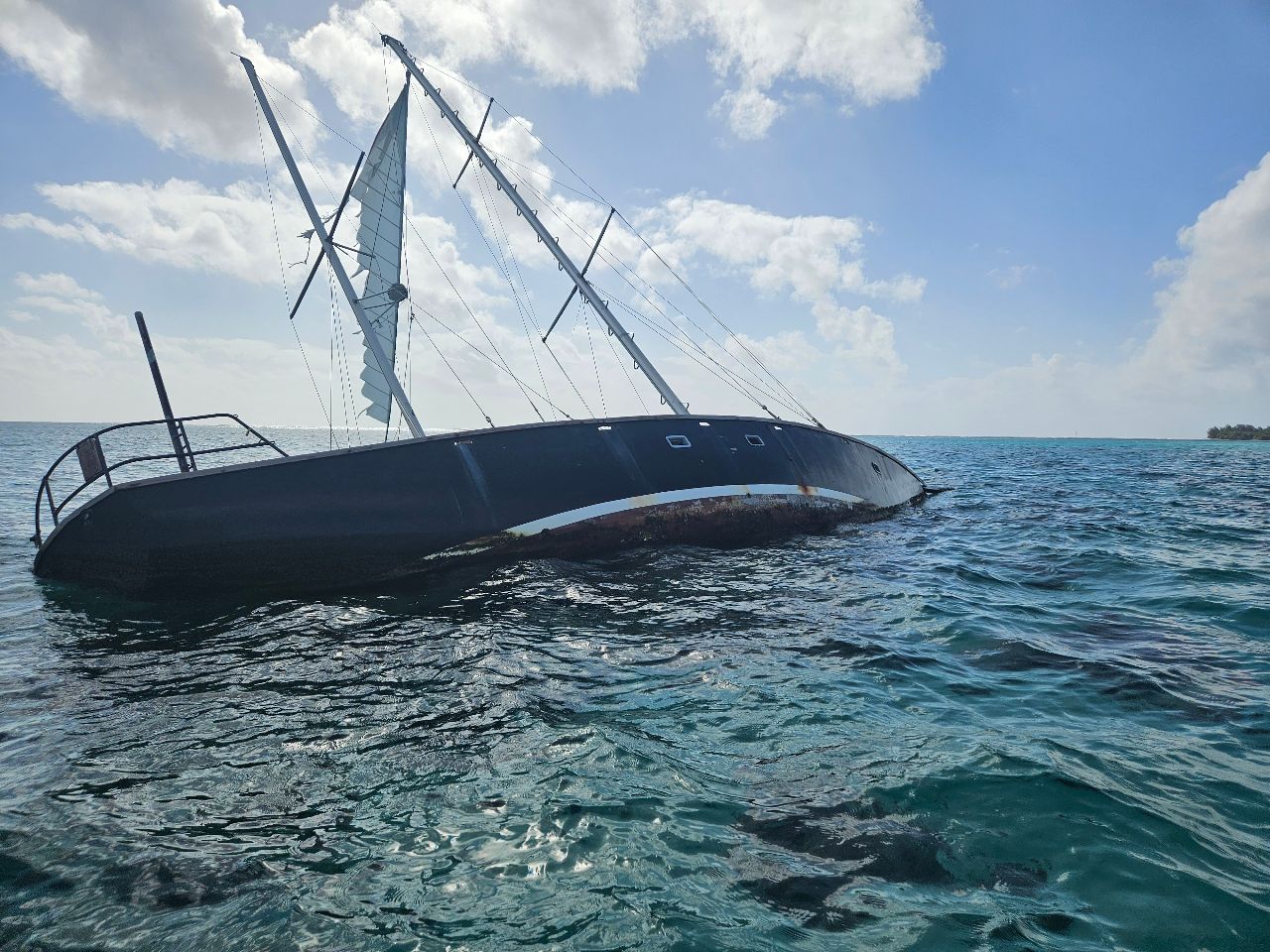
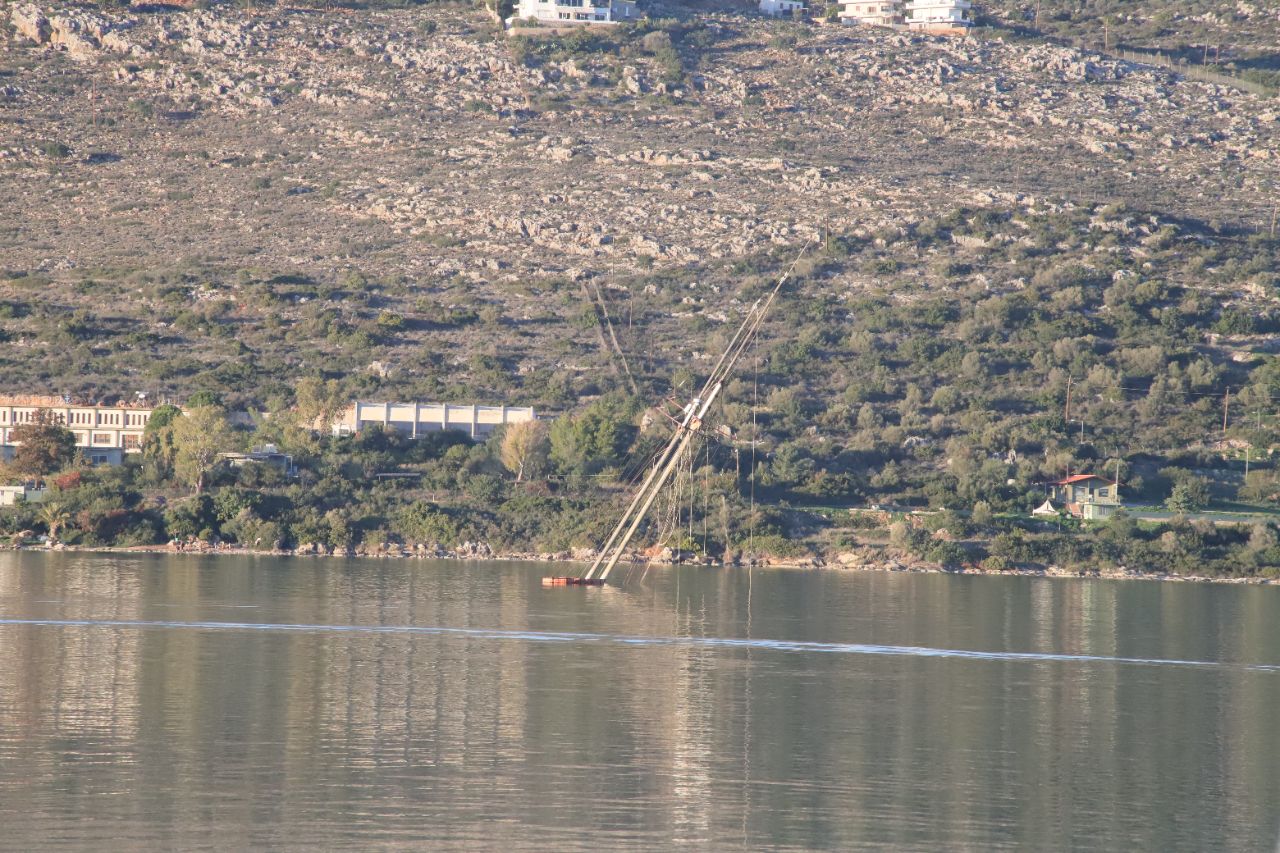
Sinking is one of the most devastating claims a boat owner can face, and it happens for many reasons. What owners need to know is that sinkings as a direct result of poor maintenance are not covered by insurance. These submersion’s tend to happen when boats are left unattended for long periods; a rusted hose clamp, failed bilge pump, worn propeller shaft seal, or failed thru-hull could be the cause.
- Check the functionality of your bilge pumps regularly
- Use marine-grade stainless steel clamps and double clamp where necessary
- Open and close thru-hull valves regularly to keep them from seizing
- Keep the bilges free of hair, dust, or debris that could clog pump impellers
If you are taking on water, locate the source of the leak immediately then decide the best course of action from there.
7. Engine failure
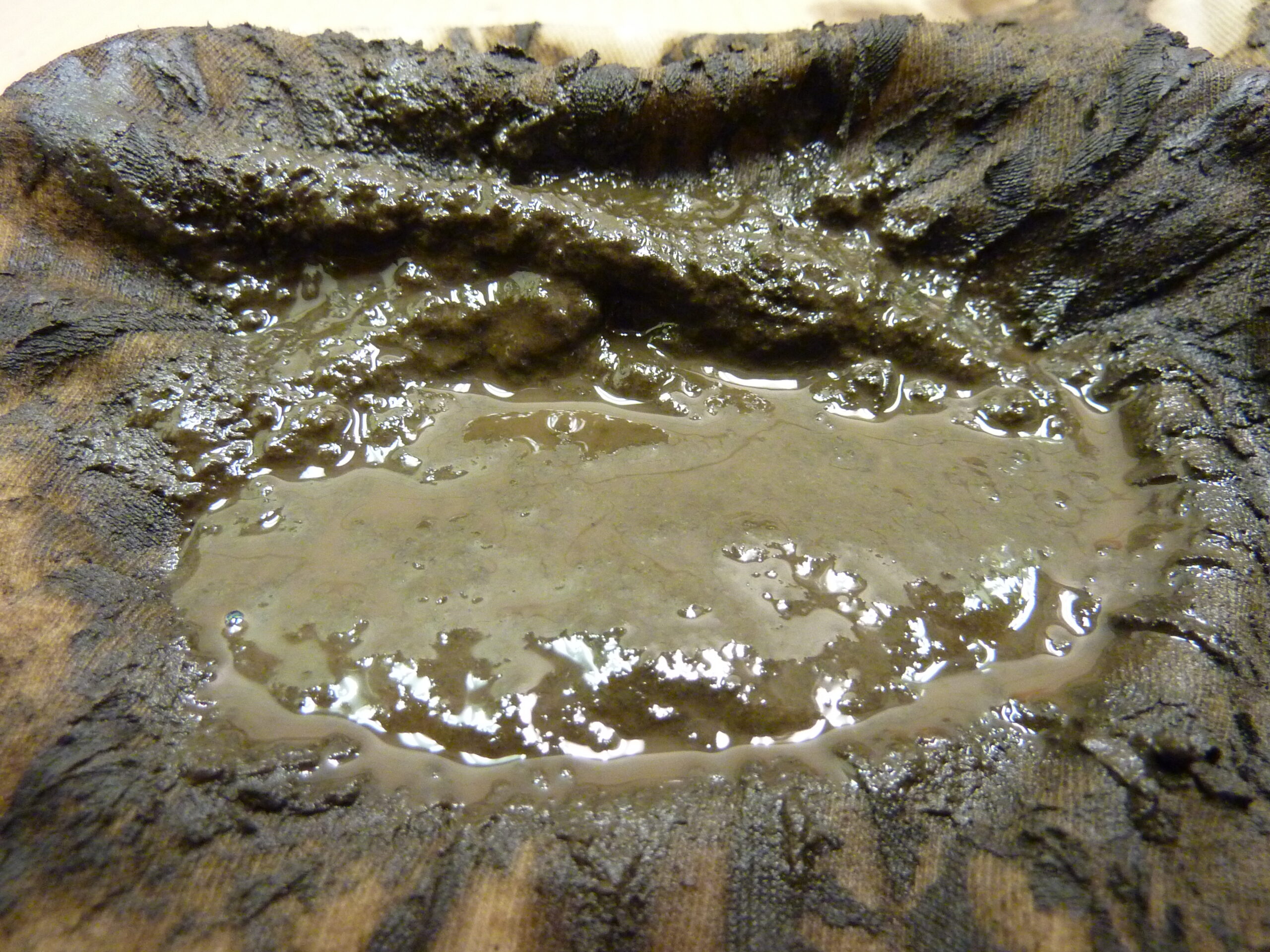
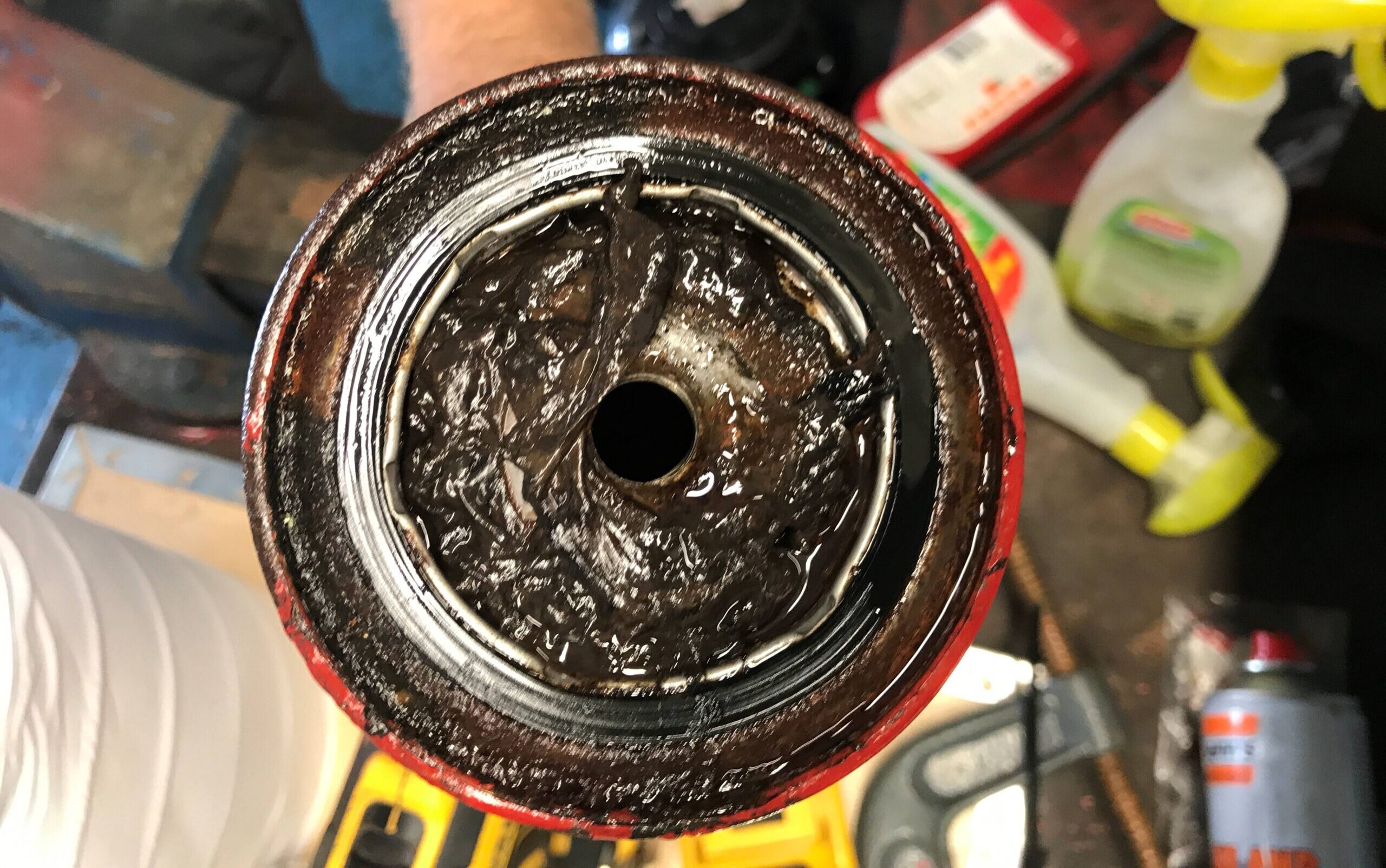
Engine failure can be tricky because coverage is determined by what caused the loss. If your engine fails because of an accident, like grounding or a lightning strike, it’s usually covered. If it fails due to old age or neglected servicing, you will likely have to pay.
- Ensure your engine is inspected and serviced regularly
- Keep your fuel tanks clean and be mindful of diesel bug (more on that here)
- Check oil levels, belts, and look for fluid leaks before major passages
If your engine fails underway, try to drop anchor or raise your sails to maintain control of the vessel. If you’re in danger of drifting onto rocks, call for assistance over Channel 16 or directly from a tow company.
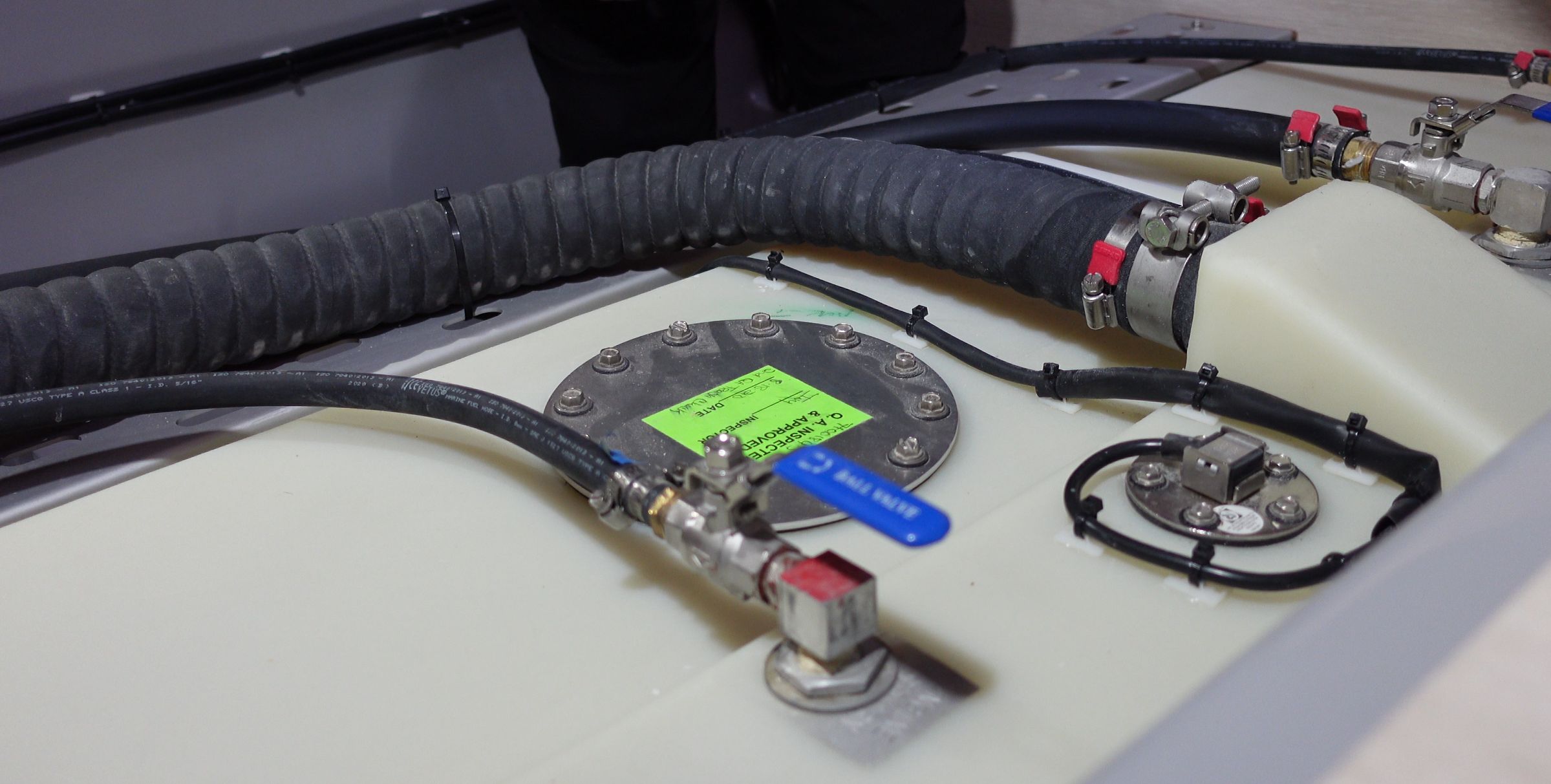
8. Mast Breakage
Claims for mast breakages usually stem from a weathered or faulty component in the standing rigging, with metal fatigue, corrosion, improper assembly and wear being frequent culprits. When the rig comes down, it can also damage the deck, sails and canvas.
- Swap out your standing rigging wire and turnbuckles approximately every ten years
- Inspect your swages, turnbuckles, and cotter pins before every passage
- Look for rust or leaks around chain-plates
- Keep your standing rigging properly tensioned
If your mast breaks at sea, stay calm and assess the safety of your crew first. Your main goals are to protect the crew, and prevent the hull from being punctured. For more on masts and mast maintenance, check out Don’t Forget the Rig.
-
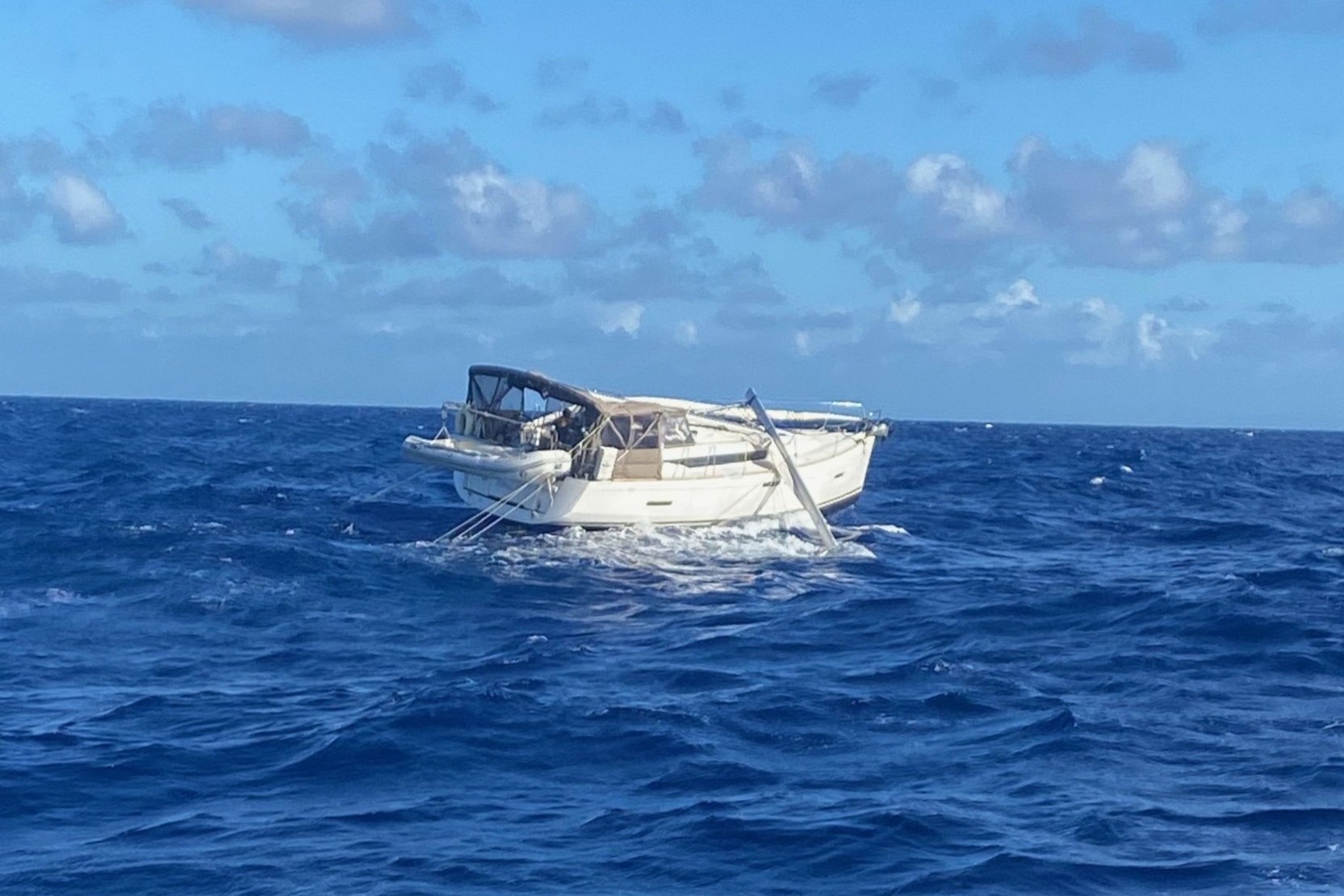
- The US Coast Guard assisted two sailors during a stern tow of their dismasted sailing vessel in the Atlantic Ocean (U.S. Coast Guard photo)
9. Fire
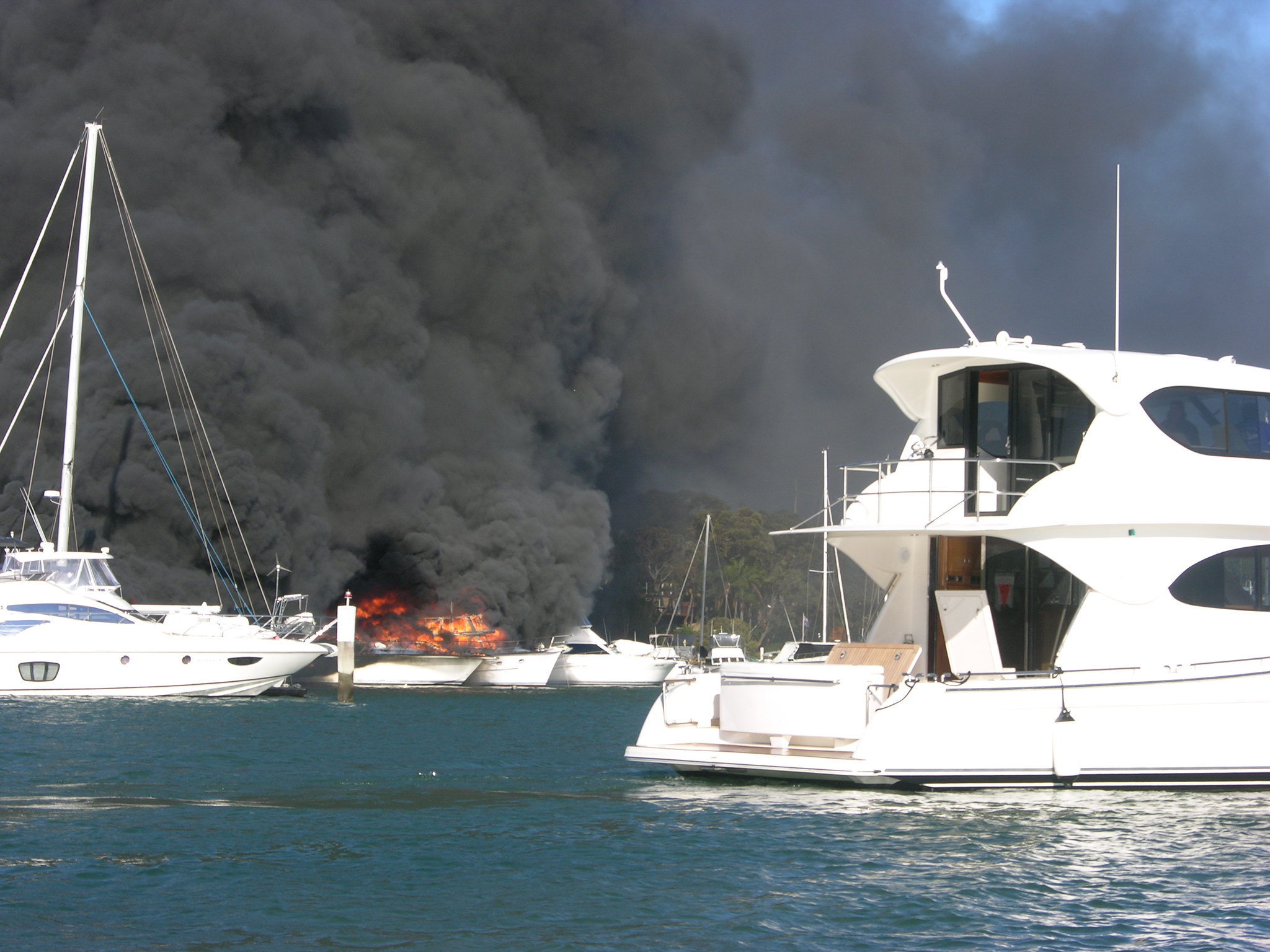
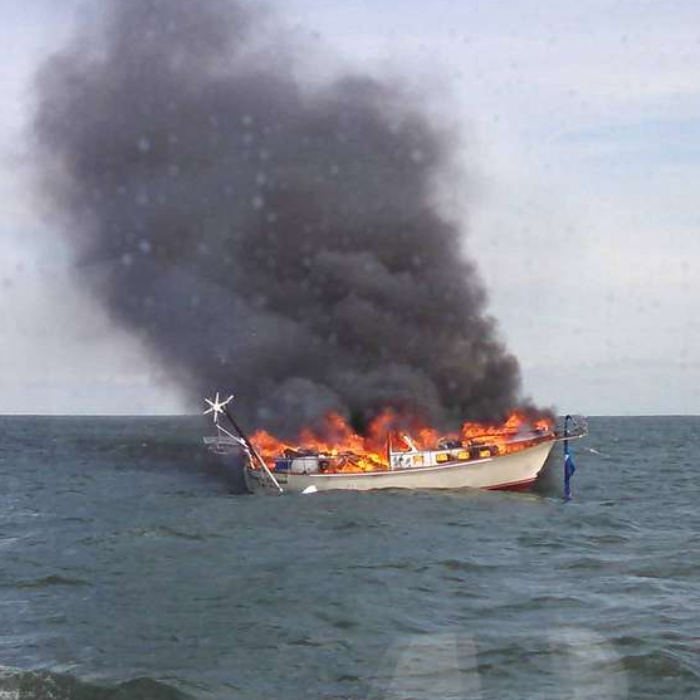
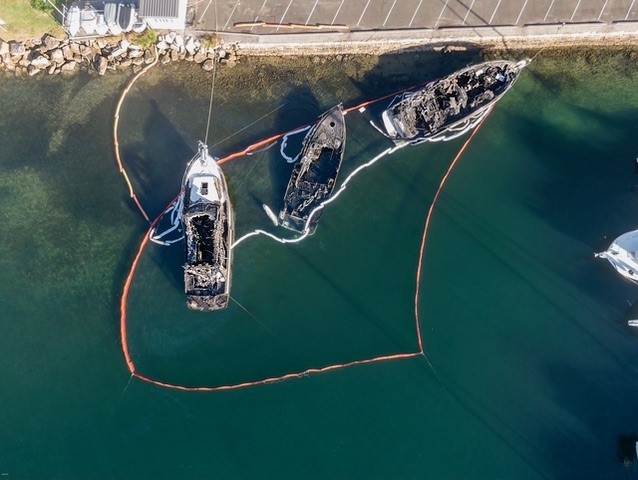
Boat fires burn hot and fast. They are tremendously destructive and often lead to complete losses. Causes include bad wiring, overloaded electrical circuits, and fuel or gas leaks, as well as external sources like a boat nearby catching fire.
- Install smoke alarms
- Regularly inspect the electrical system
- Test and service the gas system
- Opt for quality lithium-ion batteries and quality components for your house bank
If a fire breaks out, prioritize getting your crew to safety. Depending on how quickly you notice it and how fast it spreads, there may be nothing you can do. Learn more about fire risks and prevention in this article.
-
- Boat fire in Sydney
-
- Chesapeake boat fire
-

- Left vessel was insured
Protecting your boat
The cruising lifestyle is an incredible adventure, but it’s also a lifestyle that requires constant vigilance and steady maintenance. By keeping these common claims in mind, you can take active steps to protect your boat, your crew, and your wallet. Always prioritize safety and keep your vessel in seaworthy condition to help prevent heartache down the road.






That’s a really useful and detailed article, thank you Michaela. We are just sailing through the islands on the Great Barrier Reef, so you have provided me with some sobering reminders….
Thanks!
Cheers
Richard
Thanks Michaela – this was really interesting and useful. I was surprised to see the photo of my Super Maramu 2000 and my daughter’s boat referenced in the lightning section😃. Great article!
Hi Michaela, We are sailing our Australian Registered boat now in Canada doing the Viking Route, but we find it hard to find any insurance,any idea where we can obtain some cheap 3rd party insurance