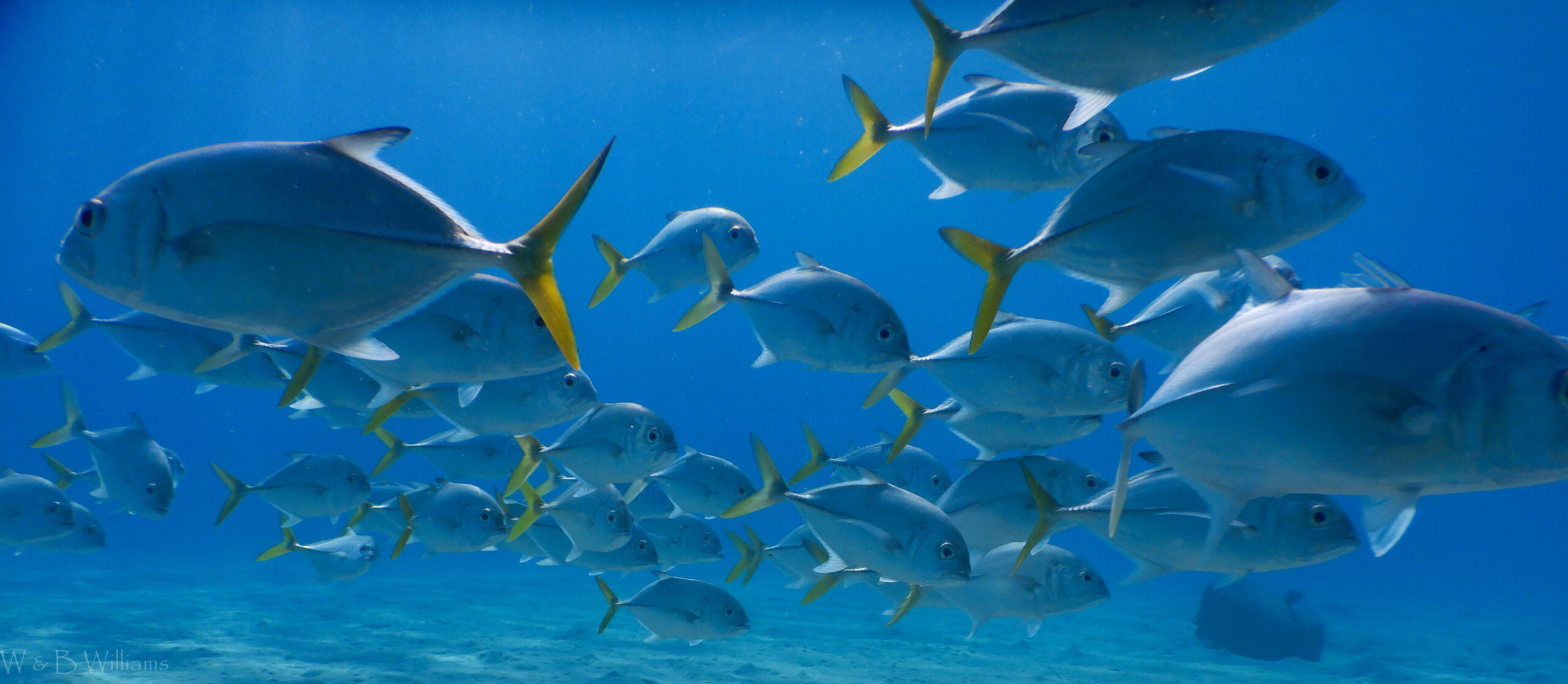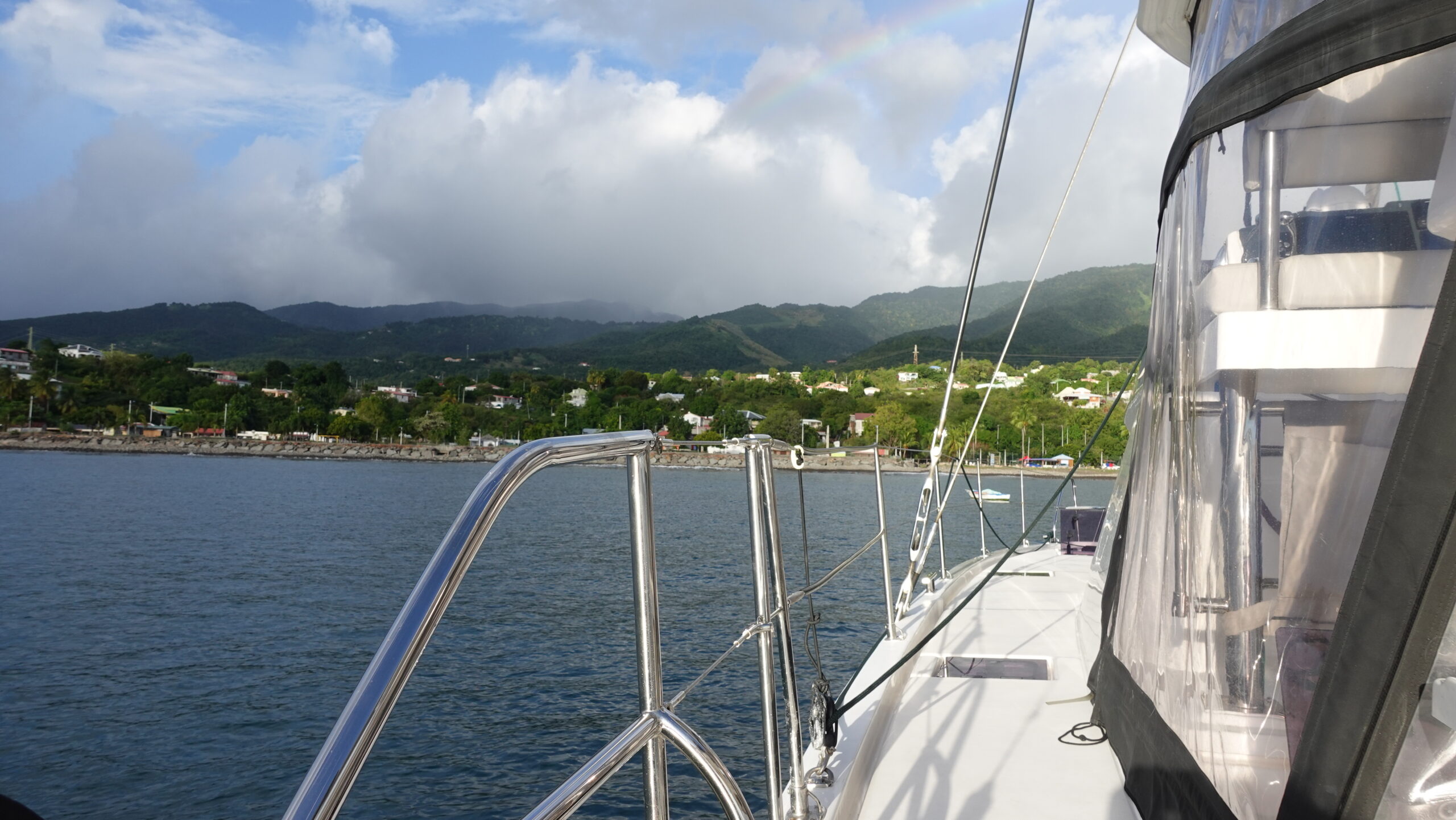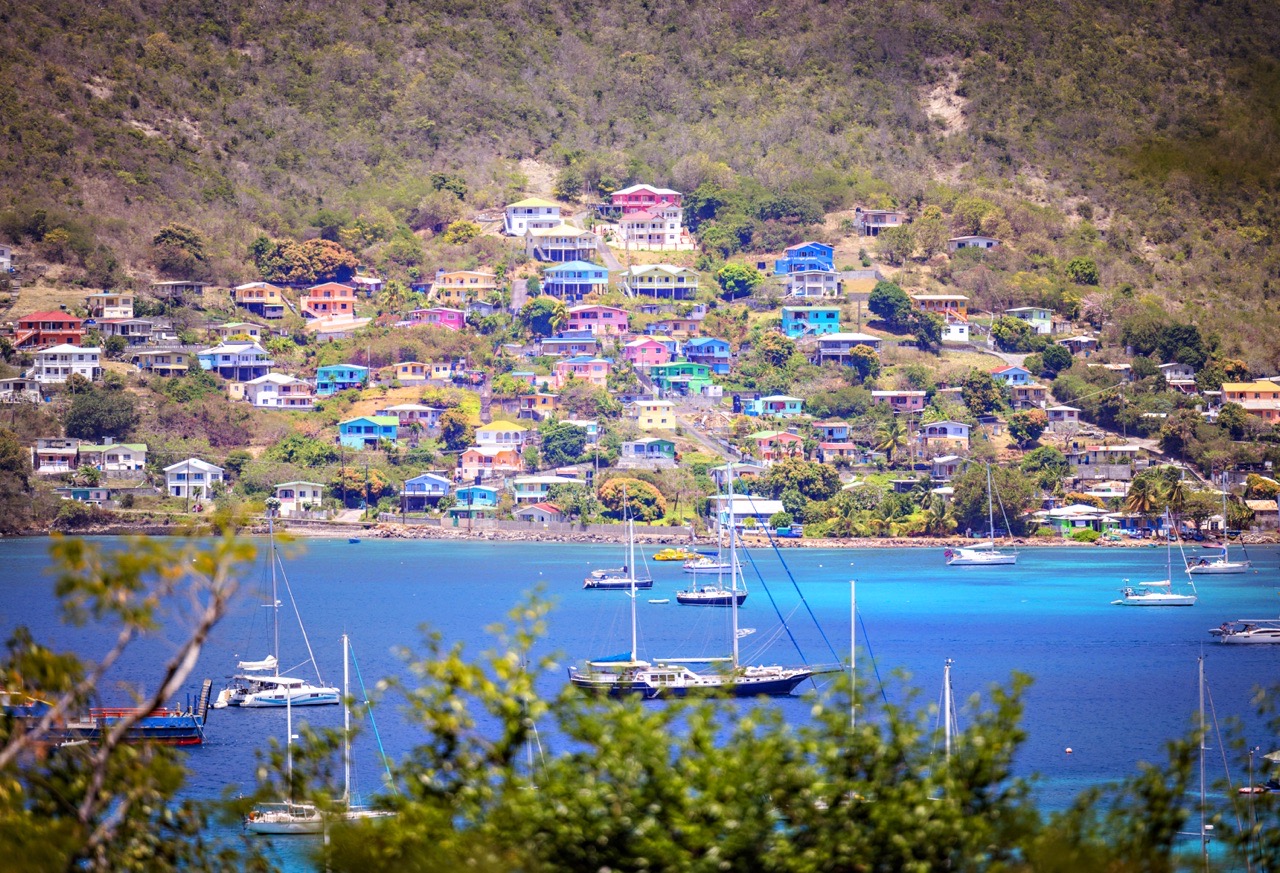
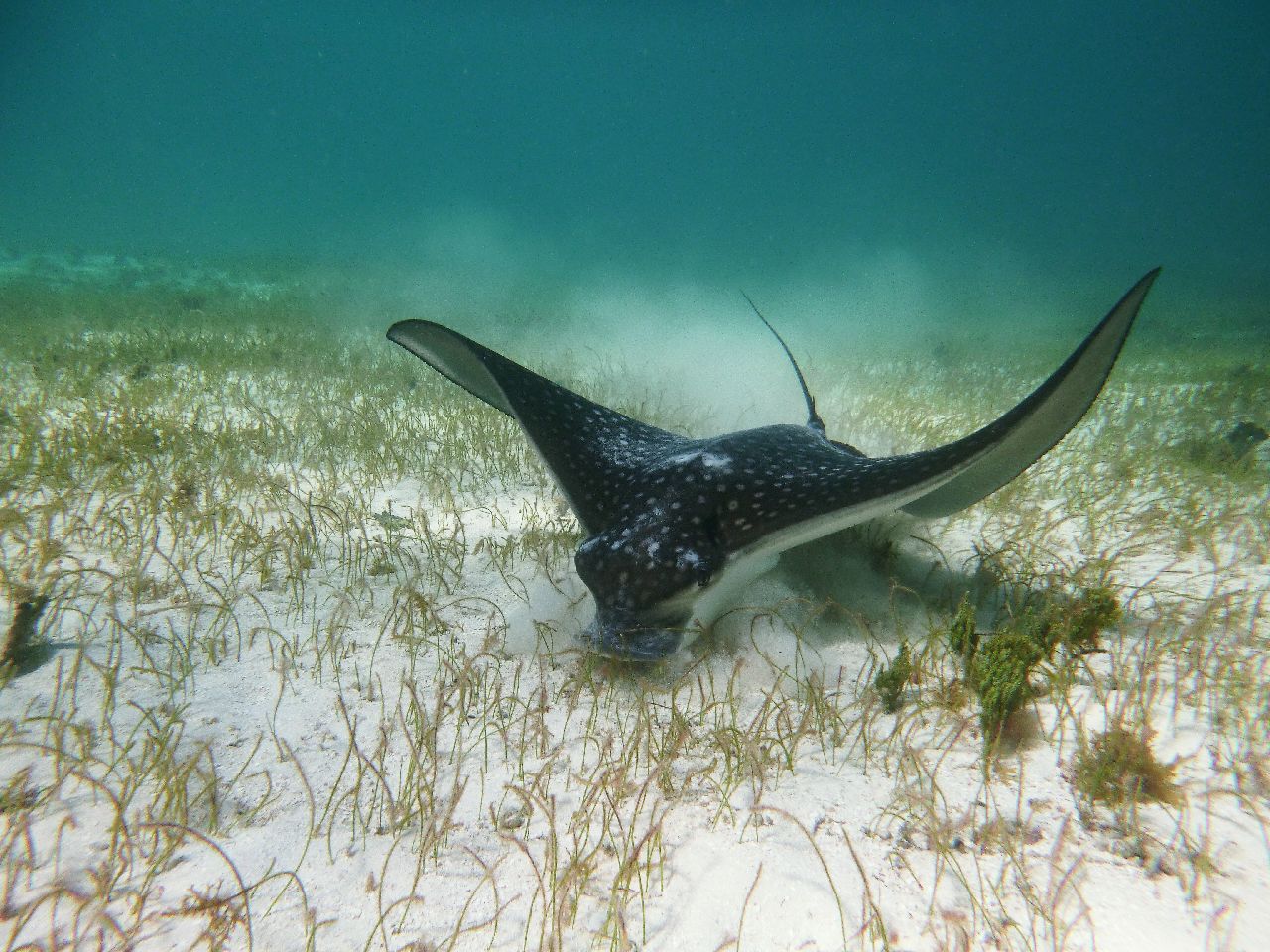
One of the quiet luxuries of life afloat is how easily the day can change. A laptop gets closed, a job gets paused mid-task, and within minutes you’re standing on the transom with a mask in your hand, ready to dive in.
Living on a boat, snorkeling and diving tend to become activities that are woven into the rhythm of the day. A patch of coral along the shoreline becomes a morning break. A turtle drifting past or tales of a nearby wreck turns into an afternoon underwater. It’s a way of exploring that feels immediate and unforced. When your home floats above the sea, the underwater world stops being a destination, and starts being part of everyday life.
-
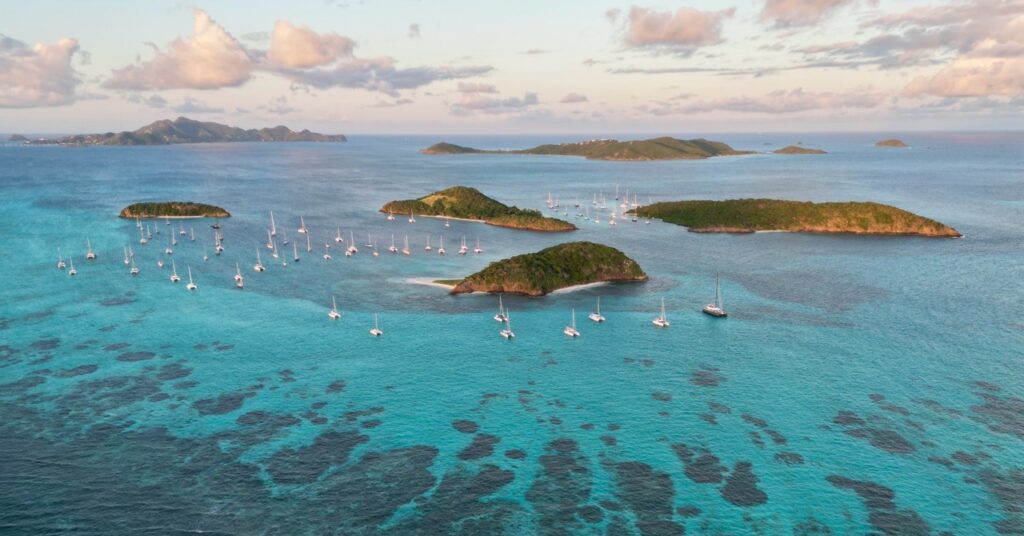
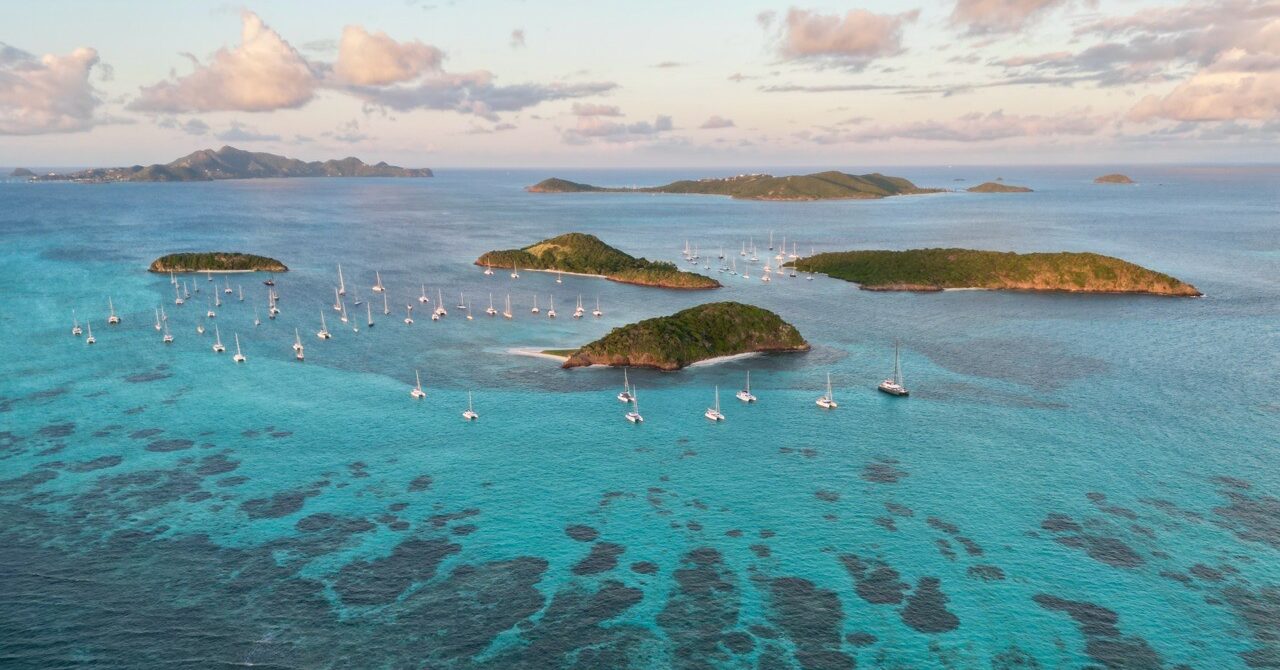
- All here to explore the Tobago Cays
Why sailing changes the snorkeling and diving experience
Arriving by boat gives cruisers a front-row seat to underwater environments that are often out of reach for all but the most intrepid travelers. Instead of driving to a beach, booking a tour, or chartering a yacht, your starting point is the anchorage itself, and there you often find gems that no normal person would see.
Looking off the side and checking visibility becomes part of the morning assessment, just like checking the wind or holding. Many cruisers will tell you that some of their best snorkeling happens around the boat or a short dinghy ride away, often in places that never appear in guidebooks. Having the flexibility to wait for the right conditions, or return to a site multiple times also builds a deeper understanding of a place below the surface.
Scuba diving
Scuba diving as a cruiser sits somewhere between spontaneity and logistics. Some destinations make it easy, with dive shops close to the anchorages. Others require more planning, from arranging tank fills or getting your own dive compressor, to working around weather windows, boat jobs, work responsibilities, and the demands of daily life. I find cruisers often dive differently too, prioritizing conditions and local advice over ticking off famous sites.
-
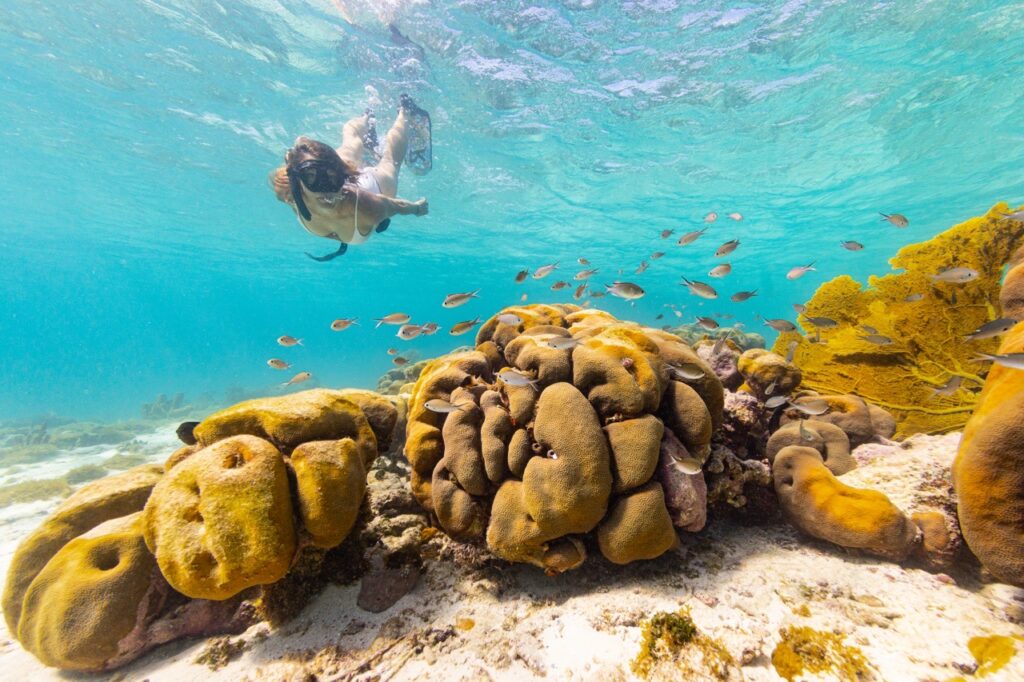
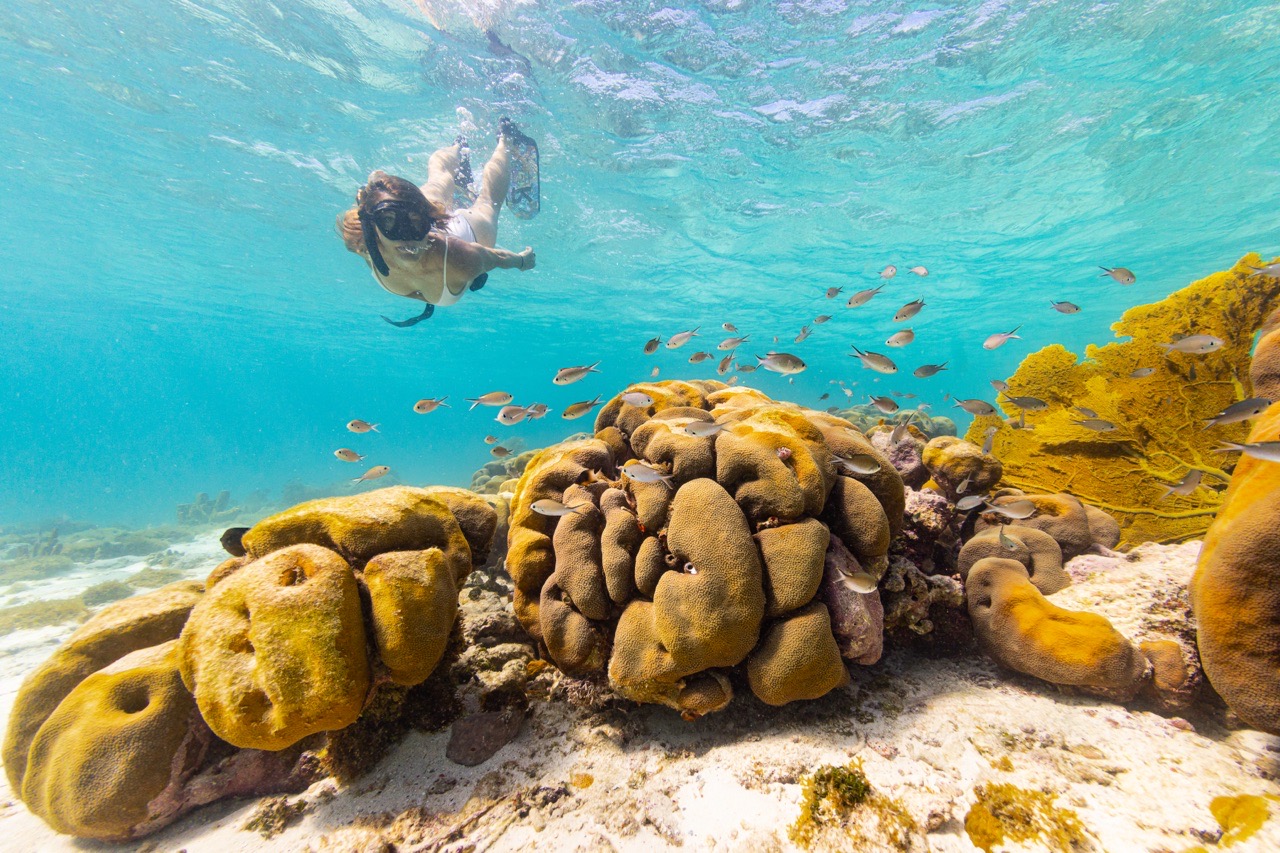
- Baradal Reef, St Vincent and the Grenadines
Safety, responsibility, and local knowledge
Even when you’re diving and snorkeling almost every day, here are still things to think about before entering the water.
Conditions under the water
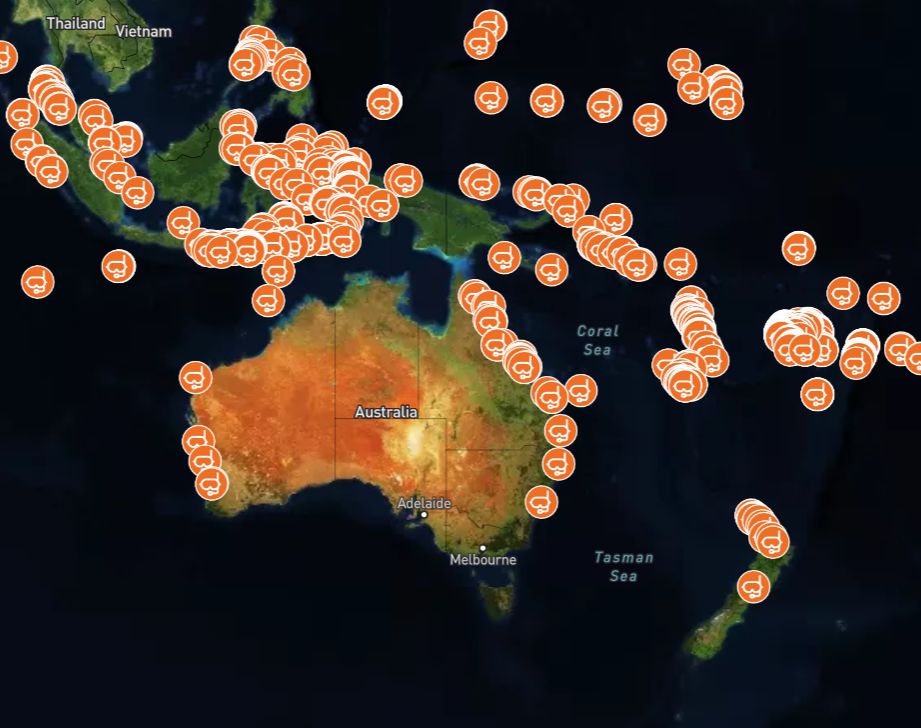
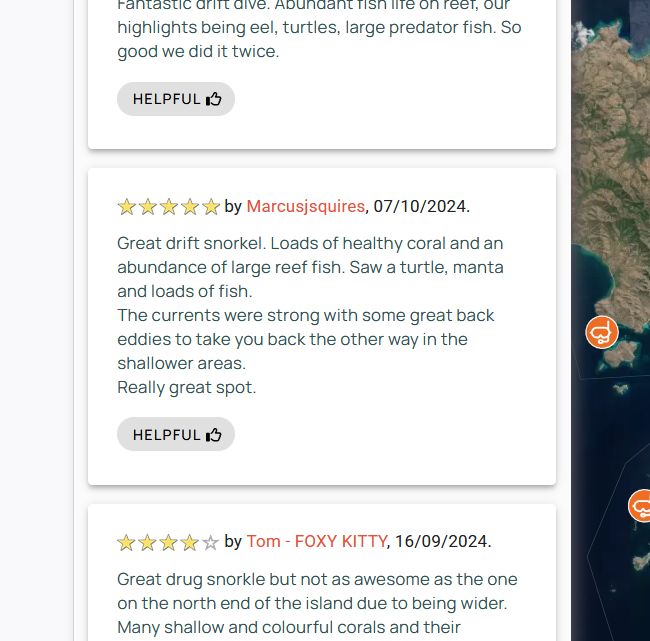
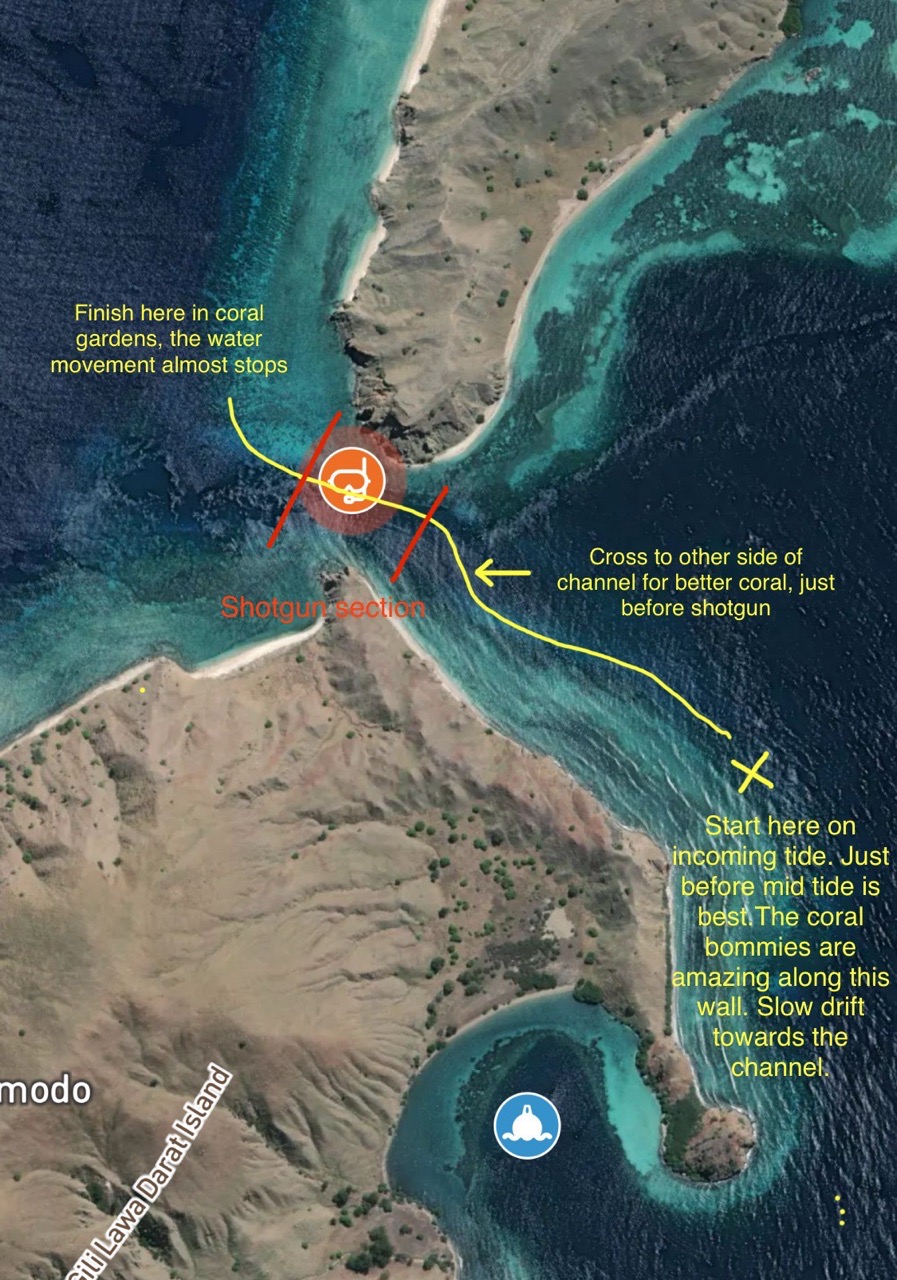
Currents, surge, and visibility can change dramatically over short distances, especially around headlands and passes, and what looks calm from the deck may tell a very different story underwater. This is where shared experience can become invaluable. Notes about unexpected currents, or the best time of day often come from other cruisers, so check the noforeignland map and reach out to the boats around you to get their insights.
When you’re ready to go, take the time to observe the surface before you get in. Look for movement, eddies, or lines of disturbed water that suggest current or surge.
Once you jump in, do a short surface test before committing. Swim against the current for a minute close to the boat so you know you can comfortably return, before heading further away.
When visibility drops or the conditions don’t feel right, the smart call is to stay close, keep it short, or wait, because the ocean will still be there tomorrow – that’s the beauty of living on a boat!
-
- NFL Map Markers
-
- Cruiser Reviews
-
- Cruiser Insights
Boat traffic and anchorages
Not all risks to divers or snorkelers are natural; dinghies, local boats, and arriving yachts can present a huge risk if they don’t know you’re there. Here’s a few general tips to help keep you safe from other marine traffic.
- If someone is in the water around the boat, keep a dedicated lookout aboard
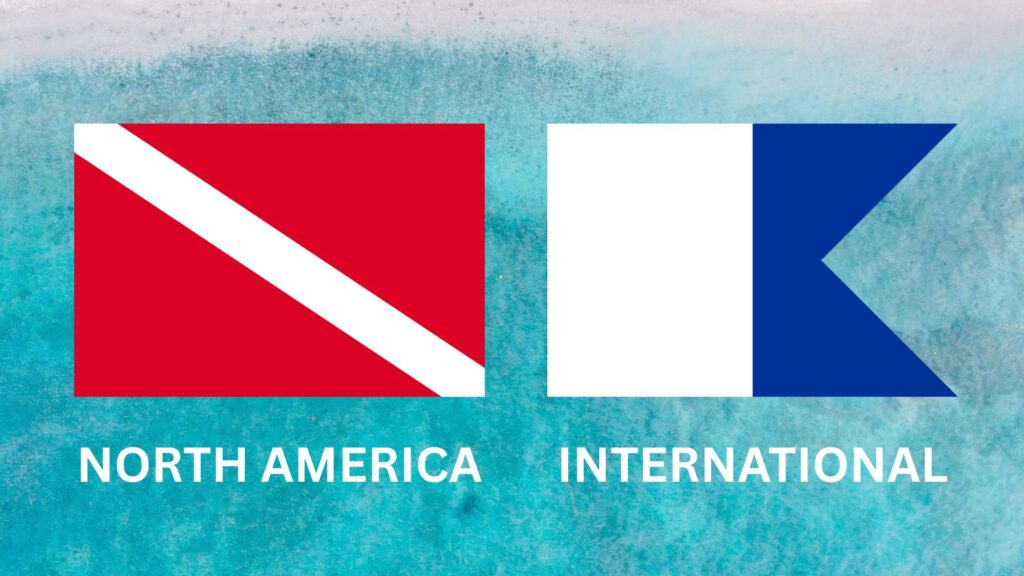
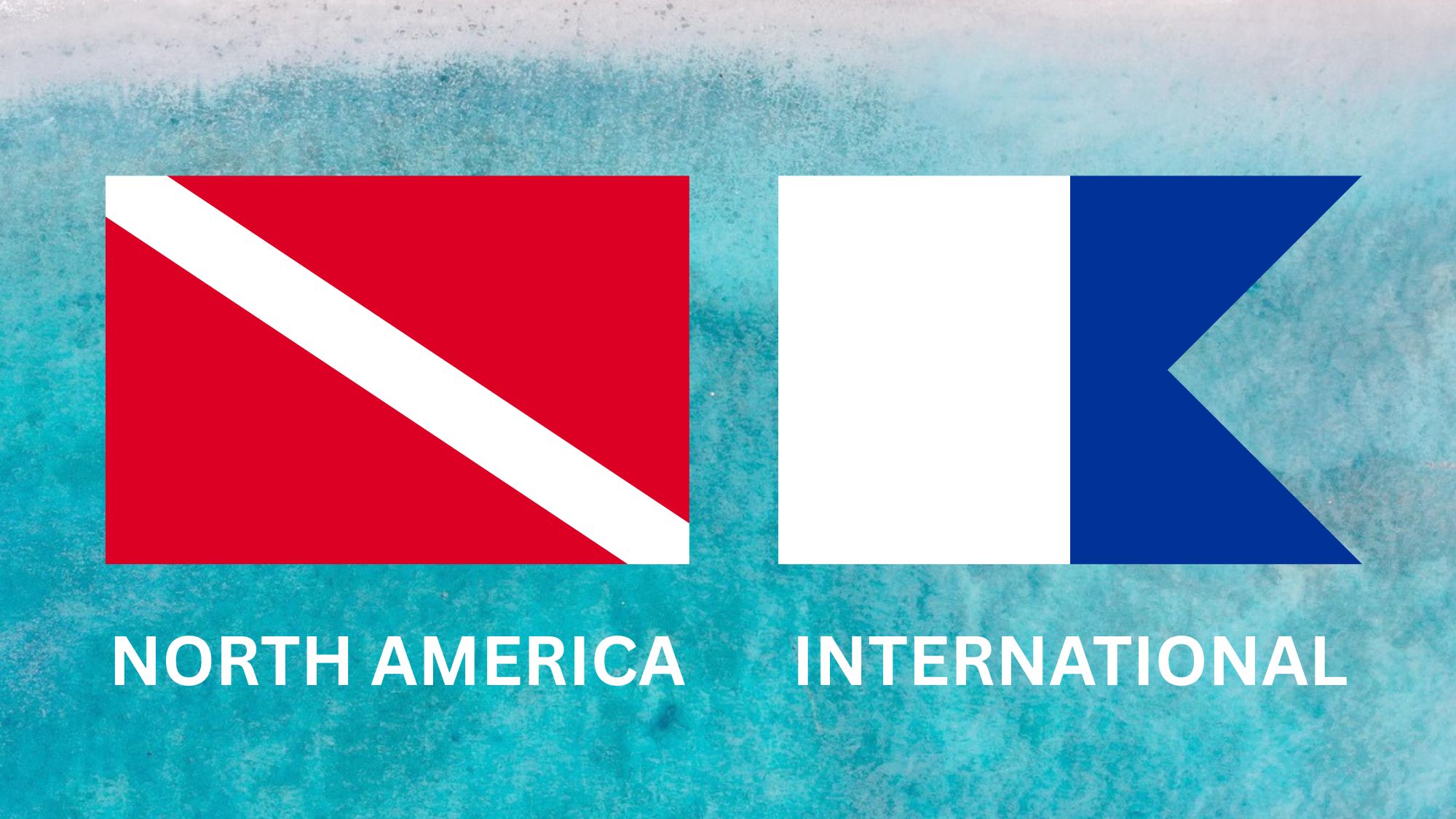
- When diving, always display a dive flag and position it as close to yourself as possible
- Use a float-mounted dive flag or surface marker buoy when exploring away from the boat
- Choose entry points that keep you away from dinghy lanes and approach channels
- Swim out along the edges of bays, reef lines, or rocky shorelines, rather than crossing open water
- Be aware of the sounds of approaching motors
Tragedies have happened, so being aware of the risk marine traffic presents is important.
-
- Diver signal flags
Respect marine environments and local rules
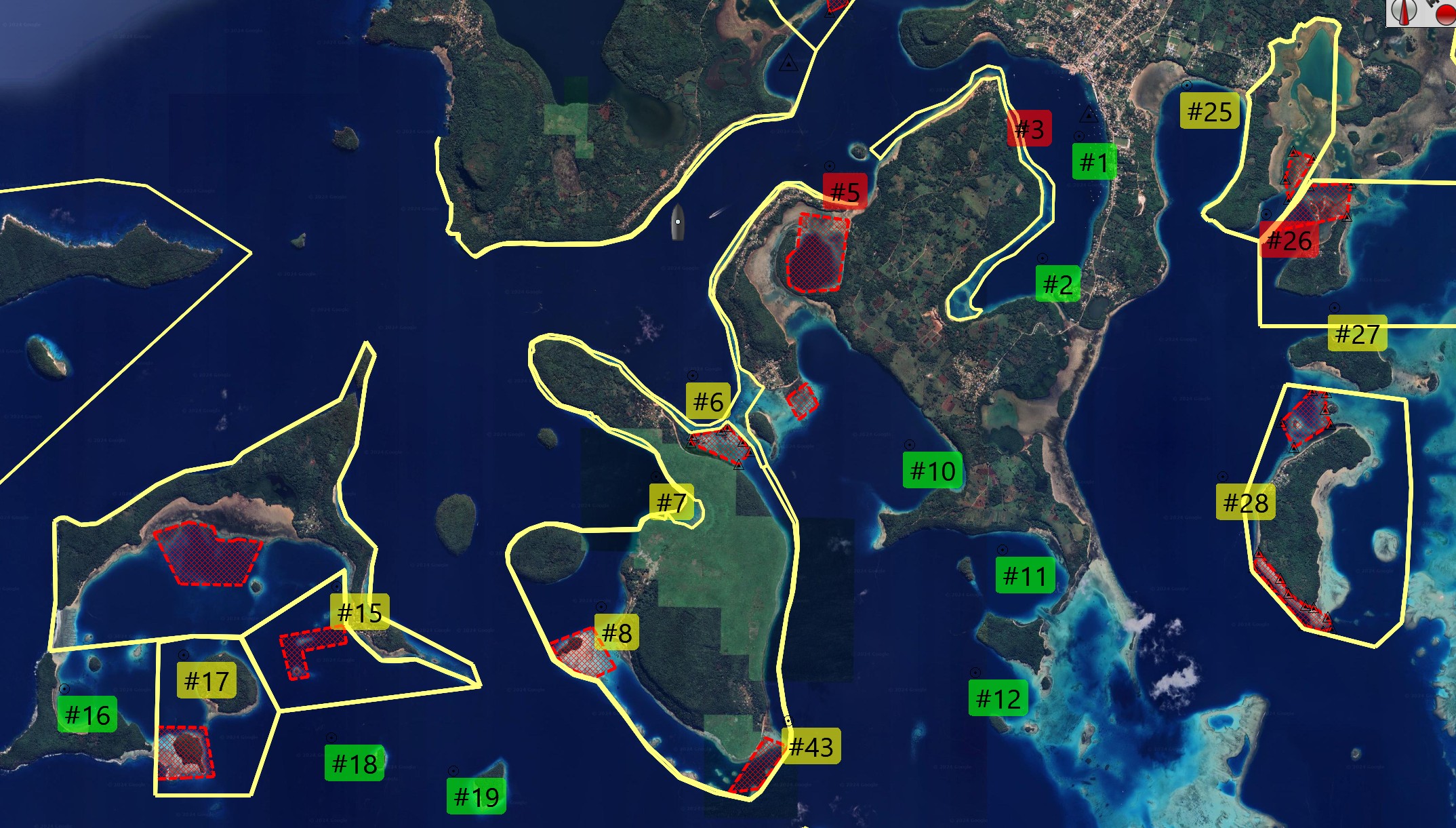
Many of the places cruisers love most are fragile. Marine parks, no-take zones, and seasonal restrictions are common, and enforcement varies widely by country.
Local knowledge shared through the cruising community often fills the gap between official regulations and reality, helping sailors avoid trouble while protecting the places they enjoy.
-

- Tonga SMA Map
Standout dive regions around the world
While every sailor has their own list of favorites, some regions consistently stand out within the cruising community. Here’s a few to check off your list!
Caribbean Sea
The Caribbean has long been a playground for sailors, but cruising gives a completely different perspective underwater.
Anchoring in smaller bays or off quieter cays can put you right next to reefs teeming with fish, rays, and turtles, without the crowds that hit popular snorkel spots. The Grenadines offers easy access from your boat to shallow coral gardens and swim-throughs, while the Virgin Islands combine dramatic drop-offs with calm anchorages, perfect for quick snorkel sessions. Down south, Bonaire is famed for its diving and snorkeling, and doubles as a potential hurricane season hideaway.
Potential dive spots added and reviewed by the NFL community:
- Something Special, Bonaire
- Tug Boat, Curaçao
- Ilet Pigeon, Guadeloupe
- Marina Cay, BVI
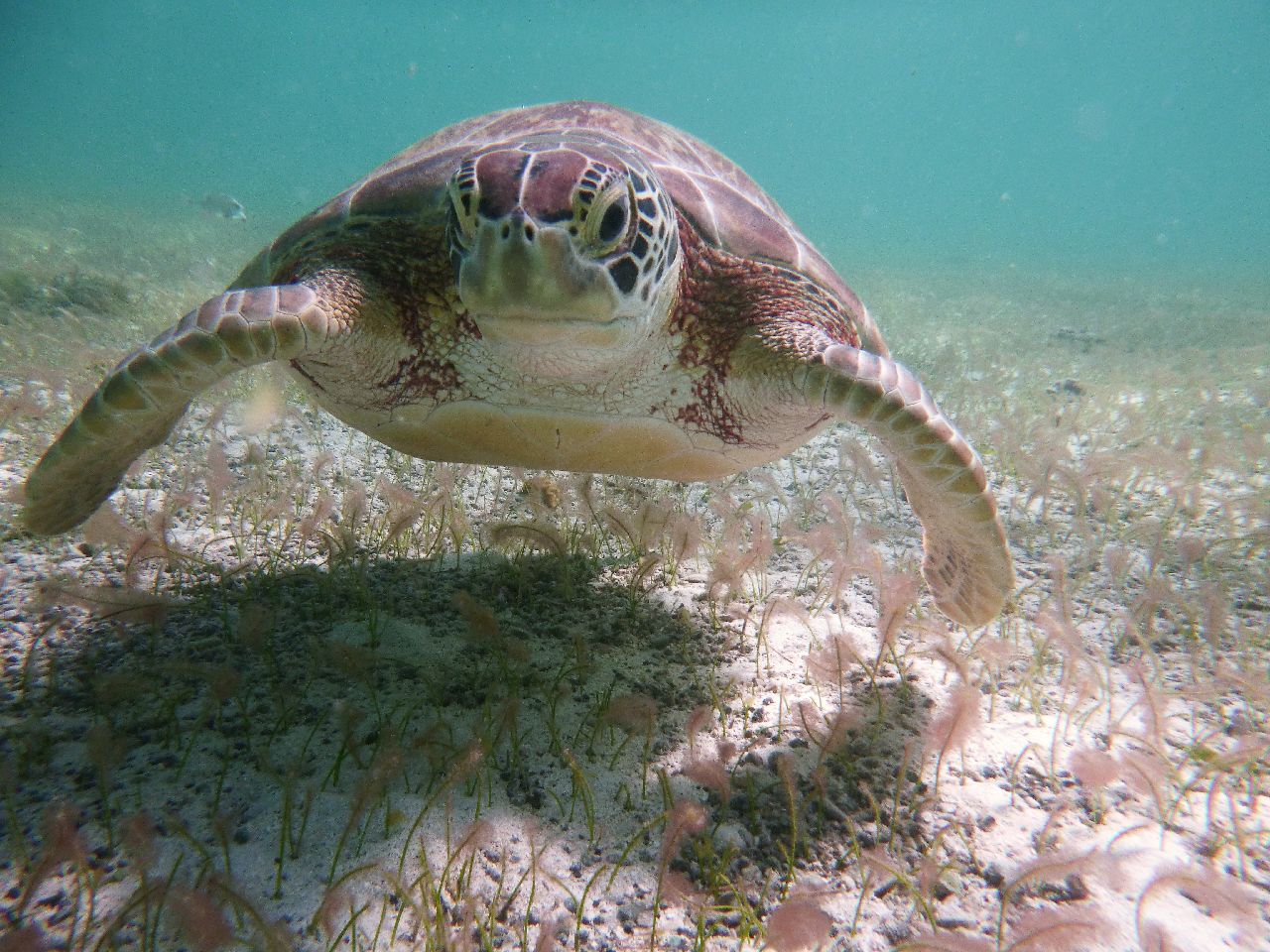
- Horseshoe Reef, SVG
- San Blas, Panama
-
- SVG
-
- BVI
-
- Bonaire
South-East Asia
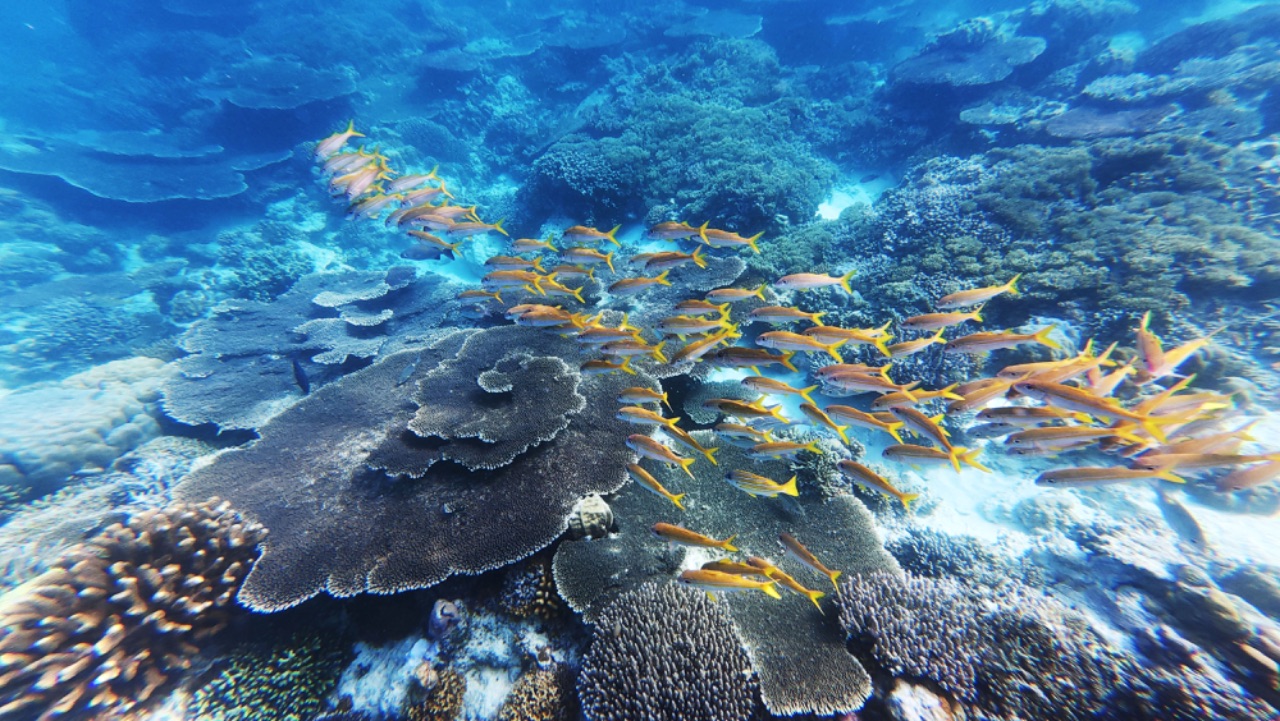
Asia offers some of the most diverse and rewarding diving and snorkeling opportunities, with some being so remote, they’re only accessible by boat.
Indonesia stands out, particularly Raja Ampat and Komodo, where cruisers regularly report world-class biodiversity straight off the anchorage, alongside strong currents that demand good timing and local knowledge. The Philippines is one of my favorites, offering excellent snorkeling and diving near quieter islands, with reefs often accessible from protected anchorages. In Thailand and Malaysia, visibility can vary seasonally, but sheltered bays still provide easy, relaxed snorkeling with vibrant marine life.
Potential dive spots added and reviewed by the NFL community:
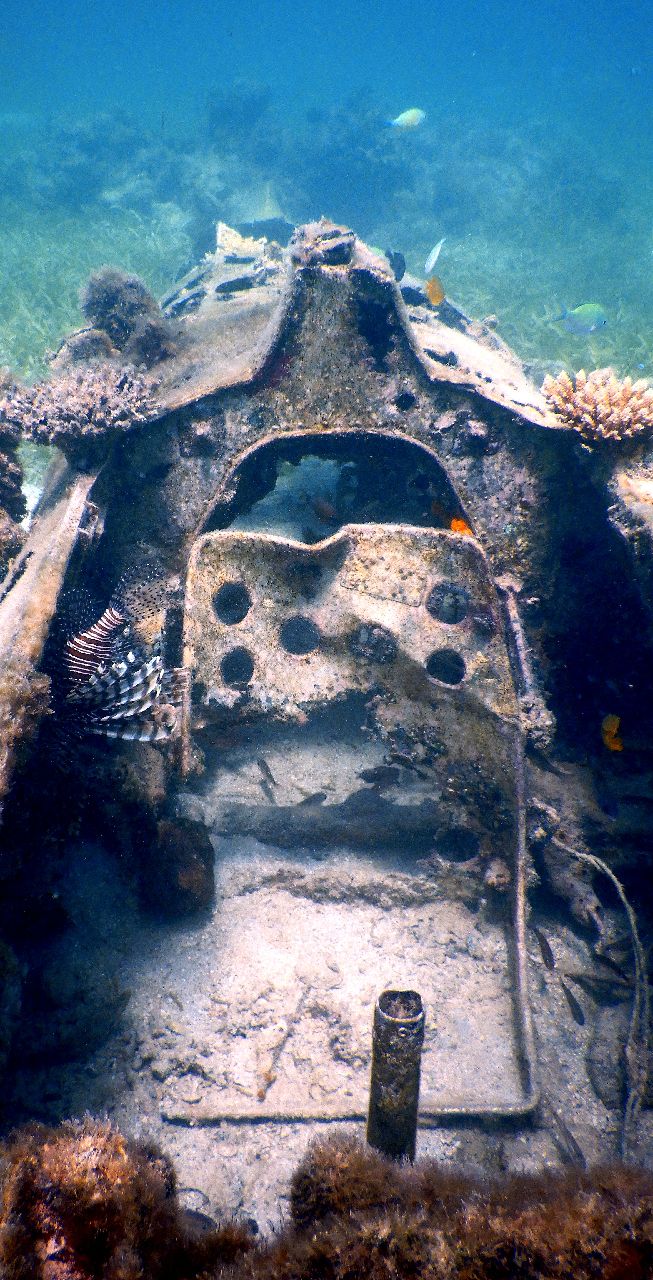
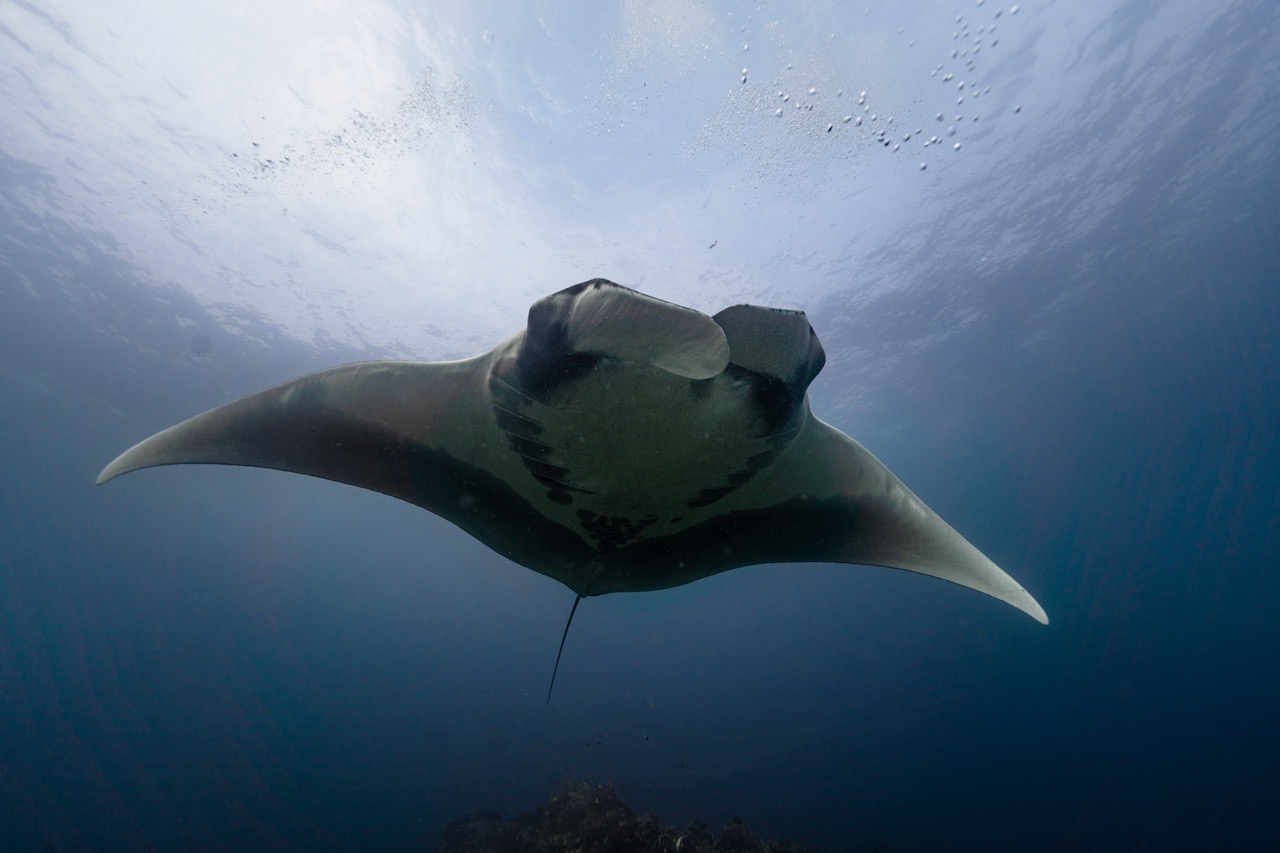
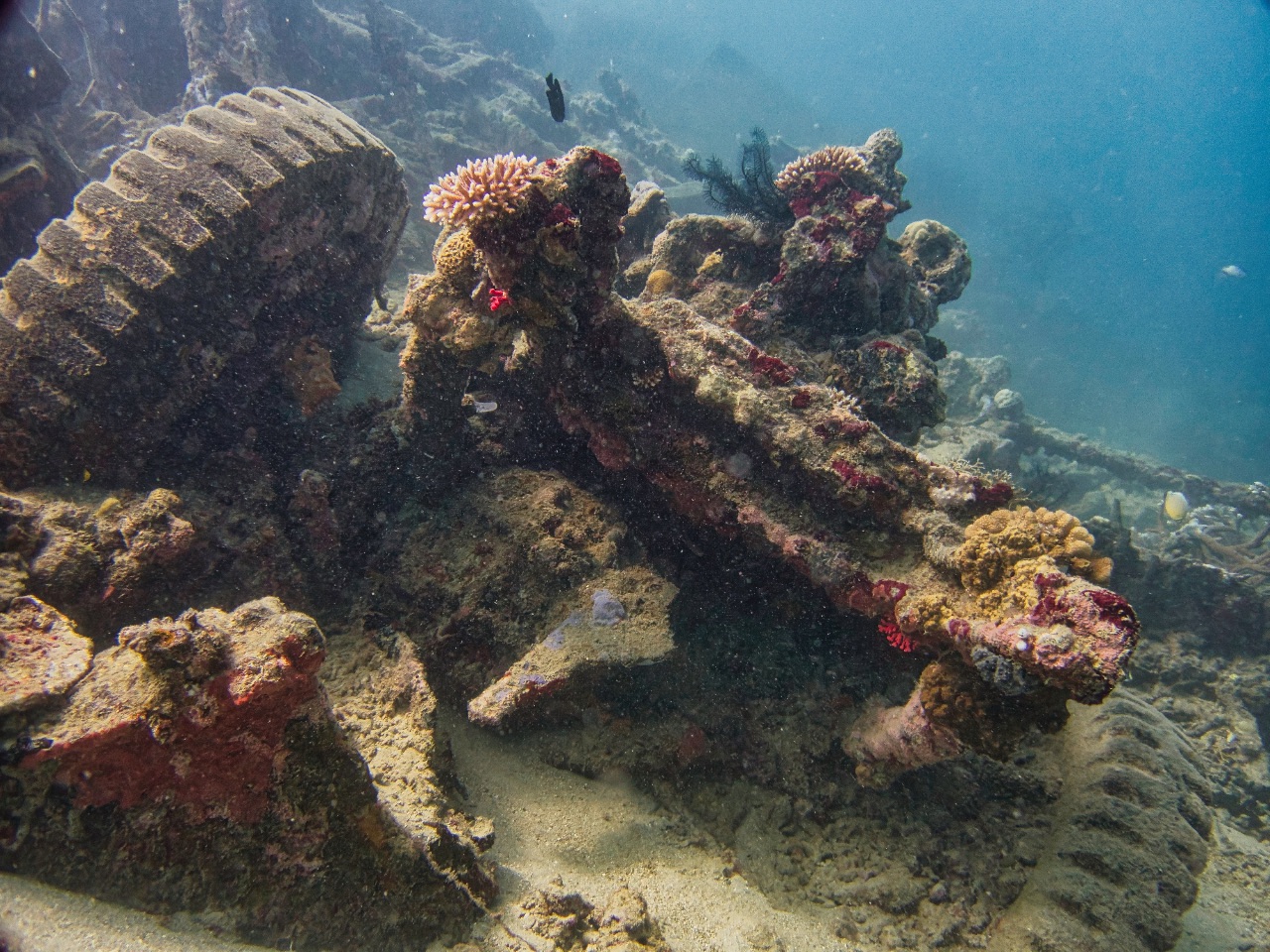
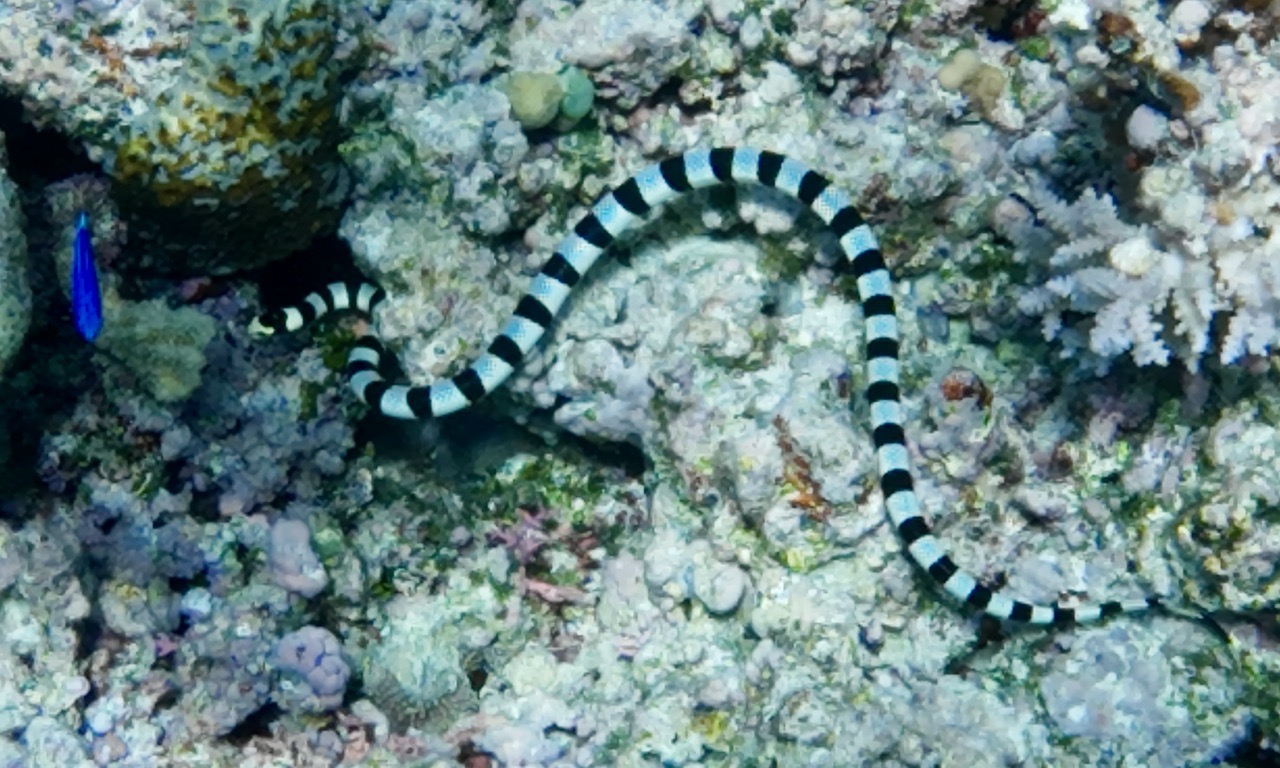
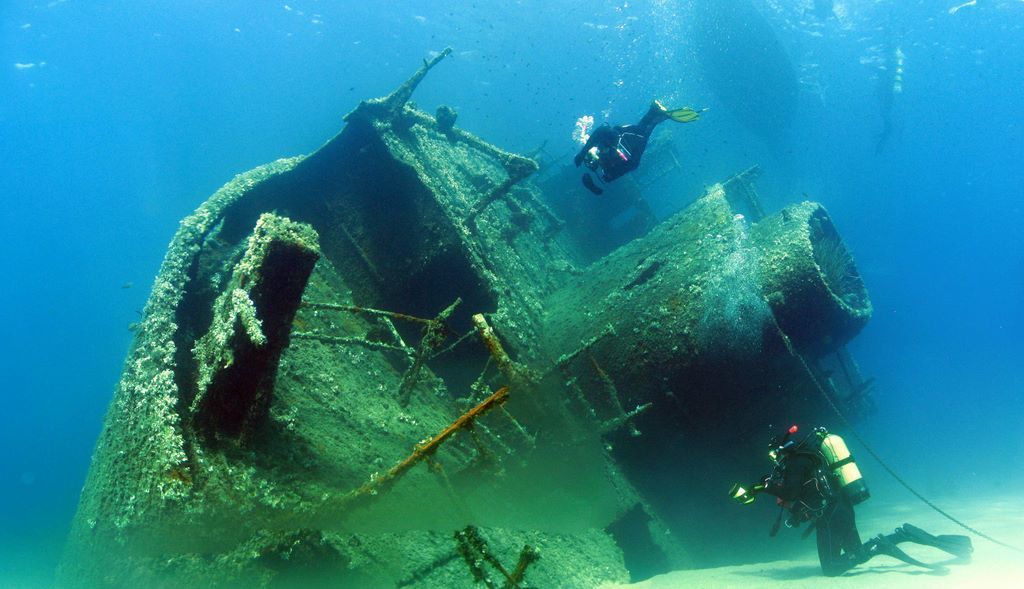
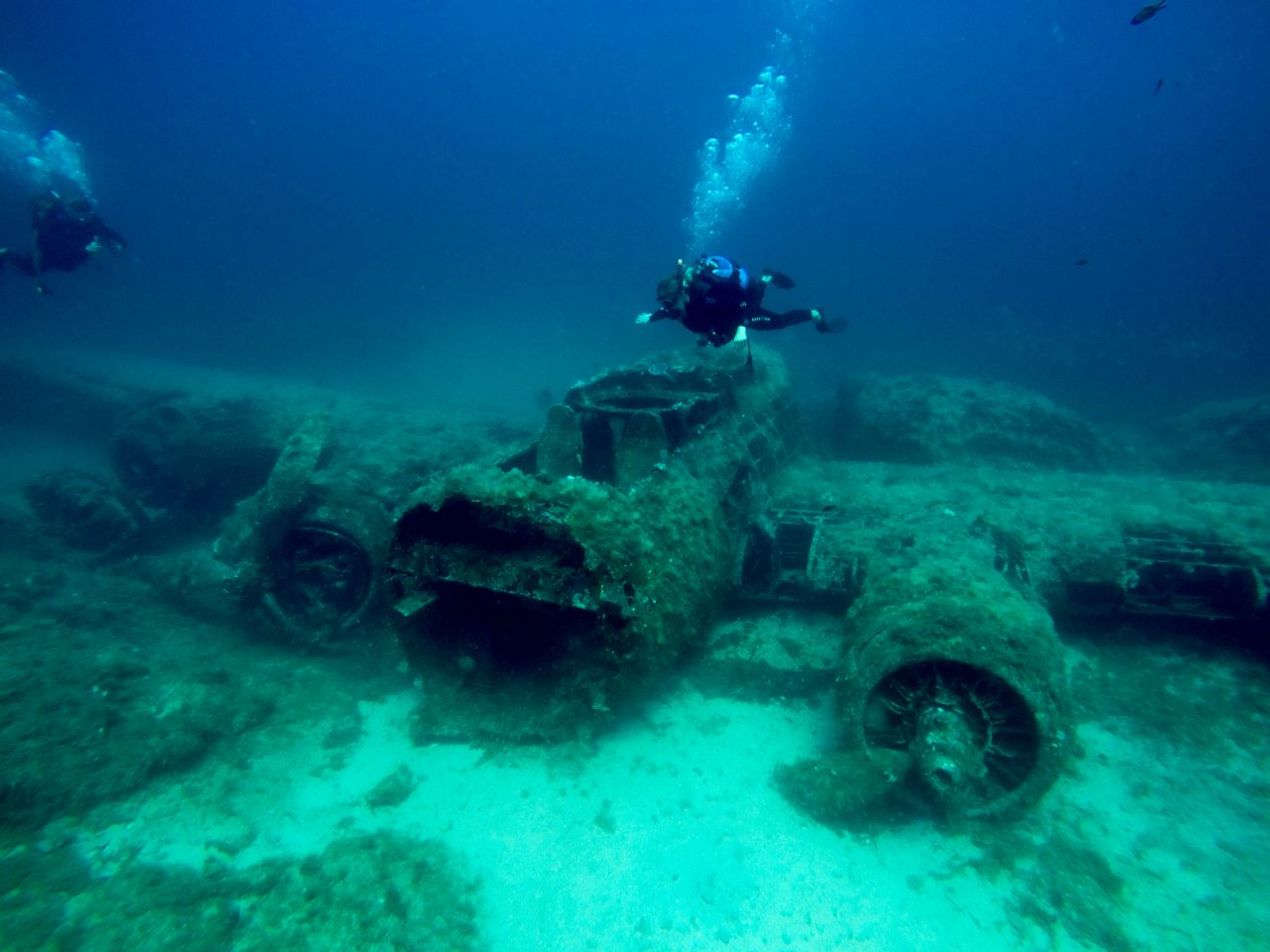
- B17 Flying Fortress WWI, France
- Wreck of the Pecorella, France
- Wreck of the Elviscot, Italy
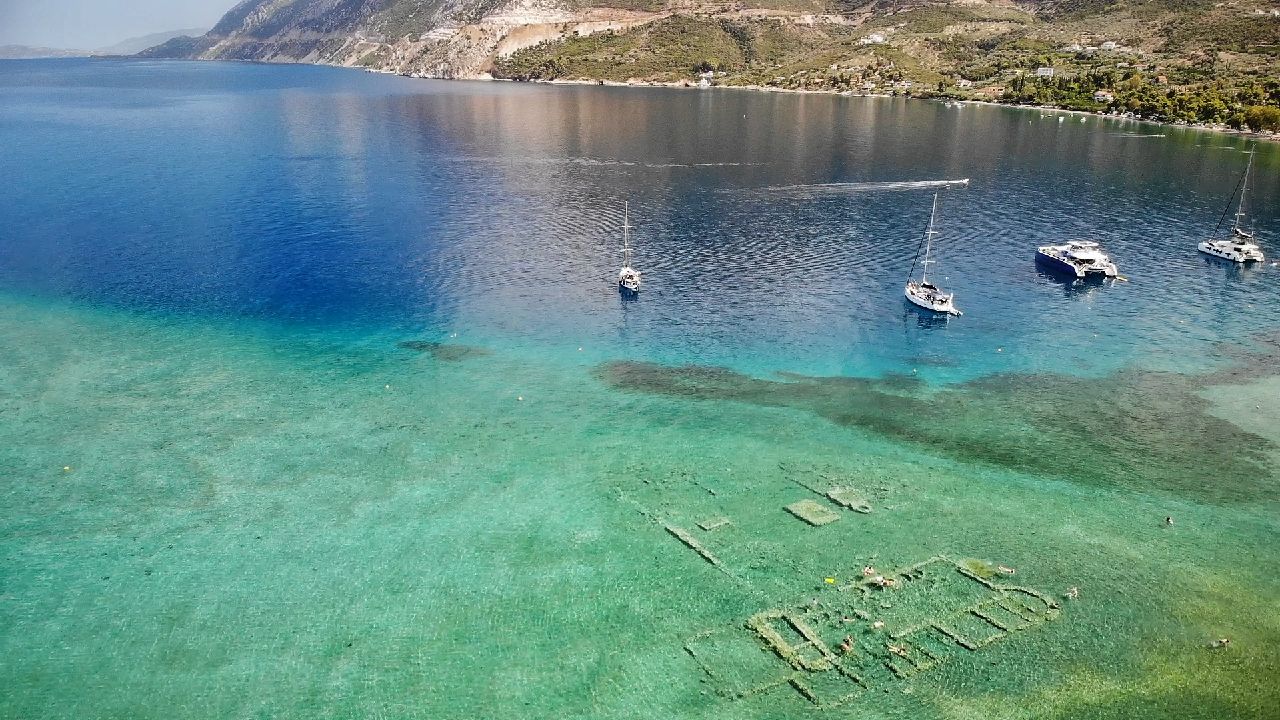
- Sunken City of Epidavros, Greece
- Mavi Magara, Turkiye
-
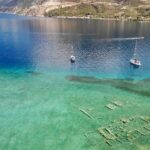
- Greece
-
- Italy
-
- France
Living life above and below the water
Snorkelling and scuba diving have always been part of cruising life, not separate activities, but extensions of the journey itself. The more those experiences are shared, mapped, and refined through community knowledge, the richer they become for everyone who follows.
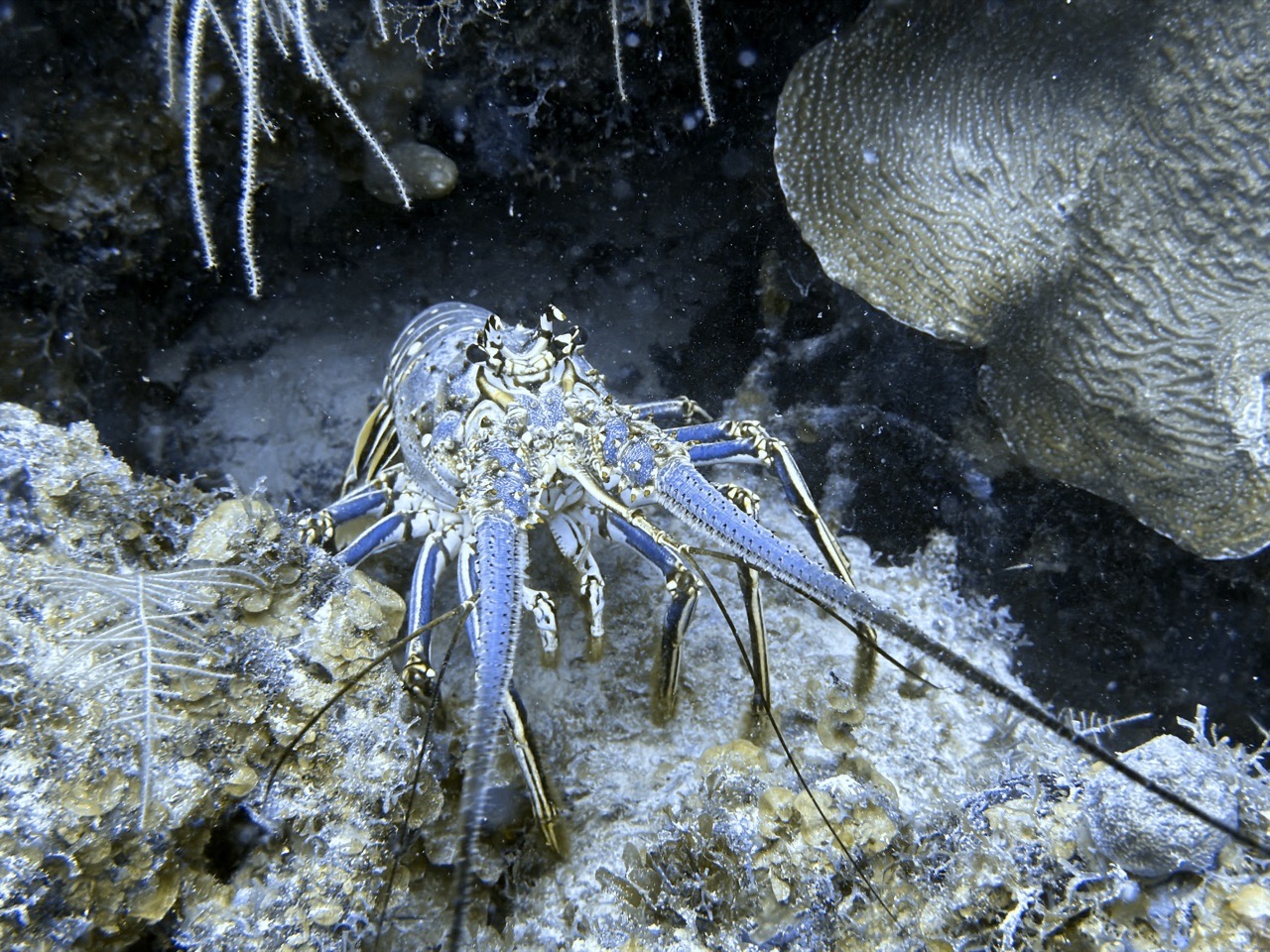
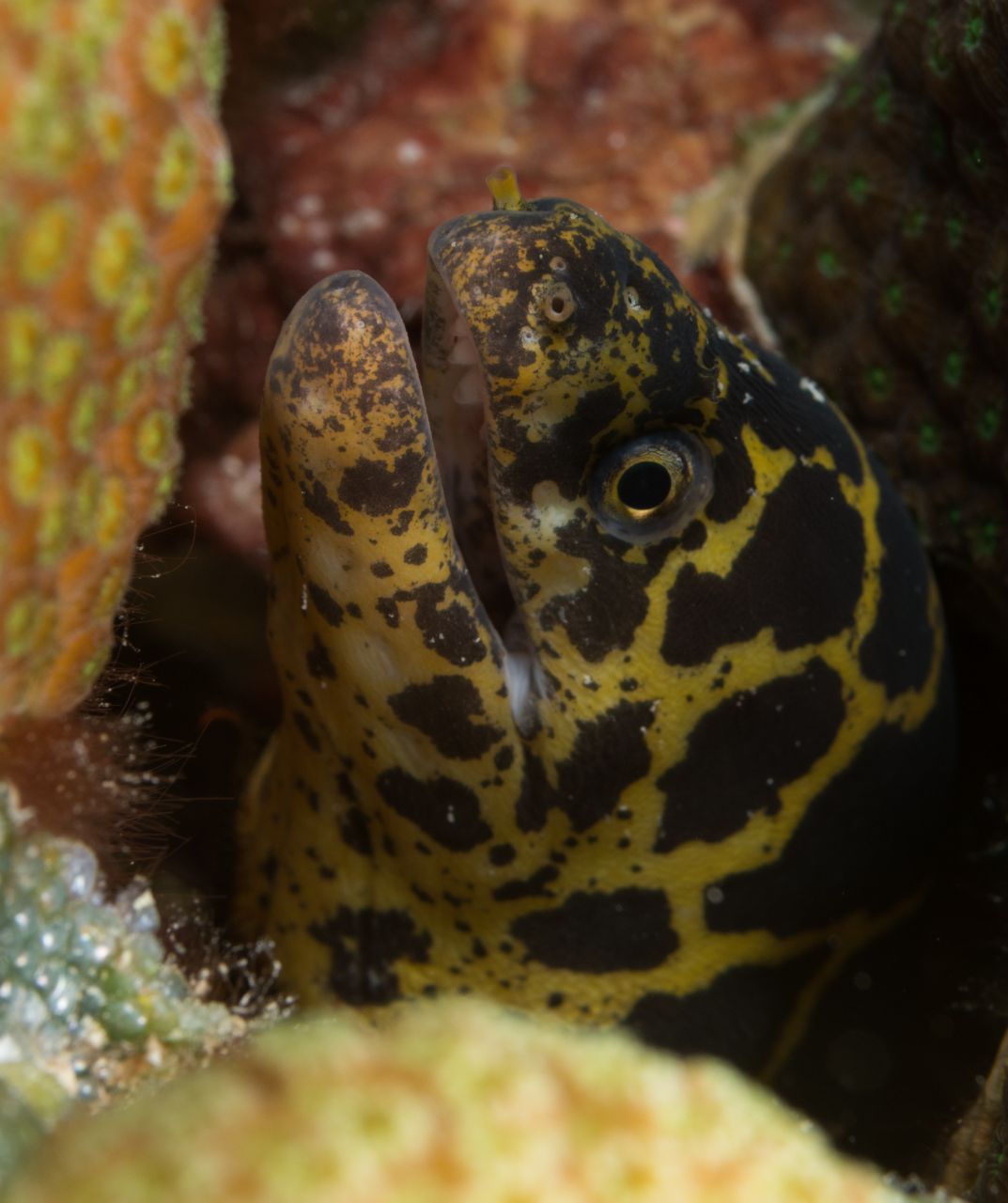
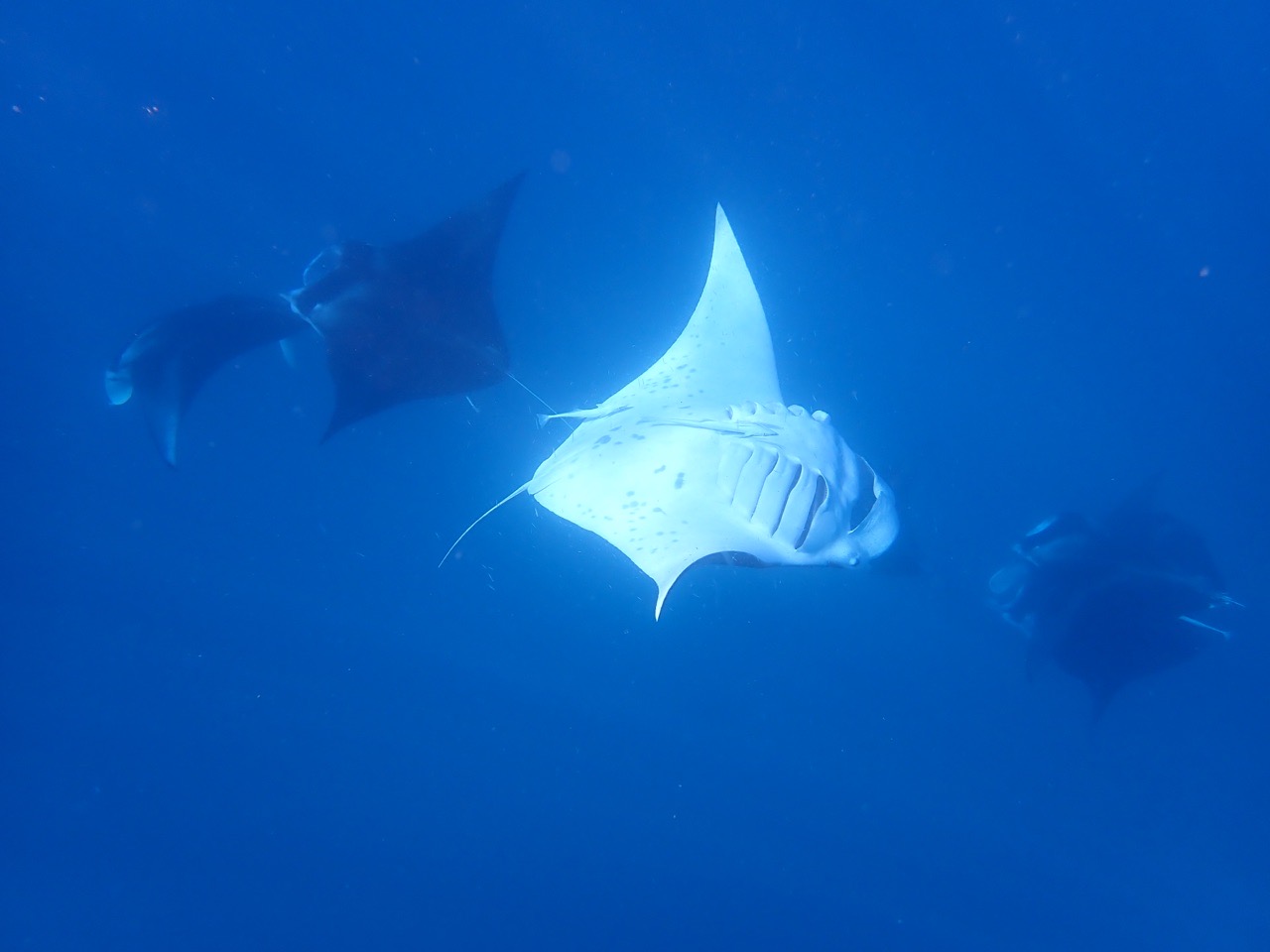
The photos featured in this article were added to dive sites mapped by sailors on noforeignland. The cover photo, from Horseshoe Reef in Saint Vincent and the Grenadines, was contributed by Hanspeter Schwartz. Thanks to everyone who took the time to share their photos.
What’s the best dive spot you’ve been to and what did you love about it? Be sure to share with the community, you never know who might want to follow in your footsteps!

By Telicia Campain
Telicia lives aboard a 2021 Leopard 45 with her crew mates and Aussie Shepherd, Rose. Together they're sailing the world, and sharing their experiences through their Travel Sketch channel on YouTube. Their cruising grounds have so far included the Mediterranean and Caribbean, with the Pacific Islands and South East Asia coming next. Telicia is also editor of the NFL Magazine.