
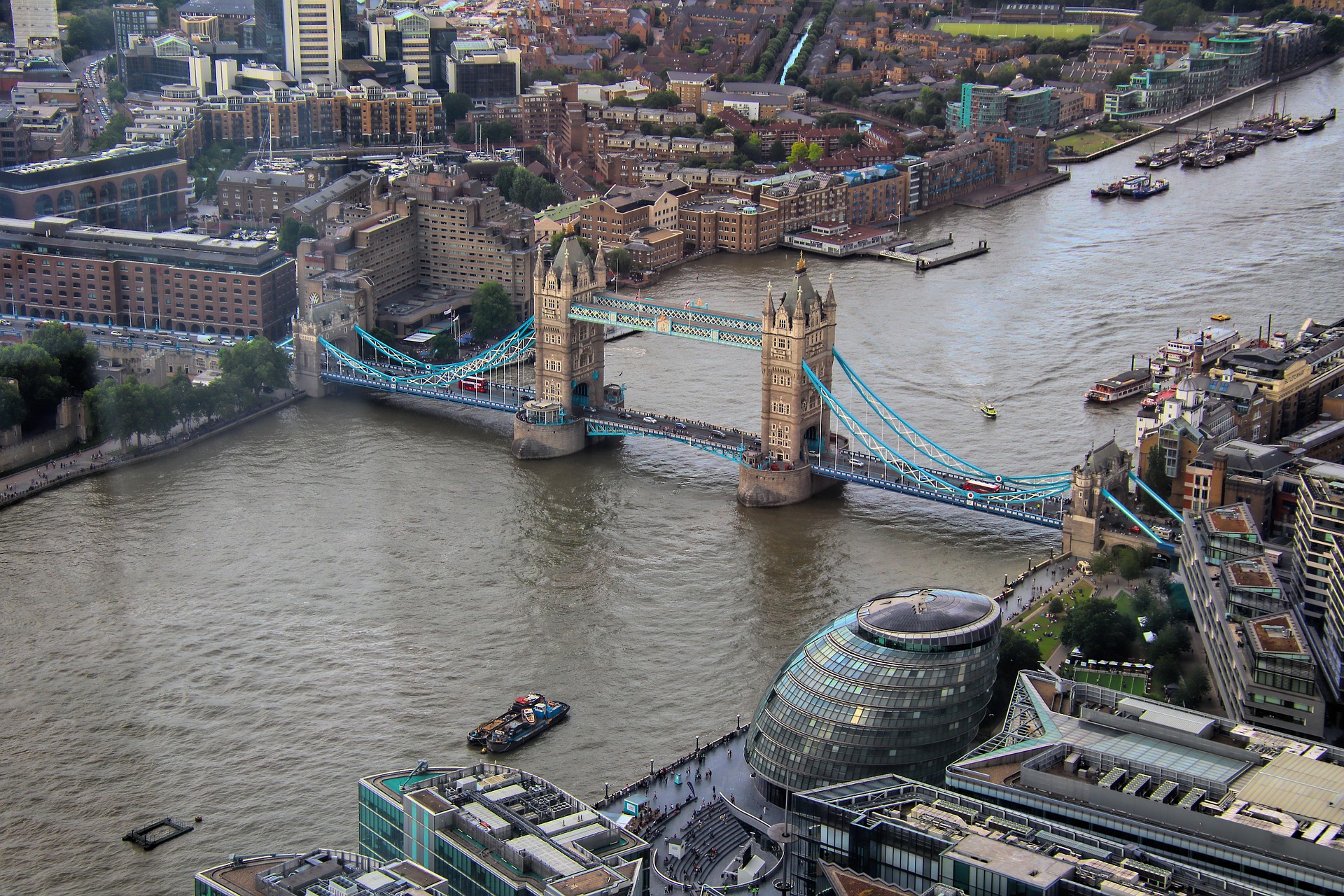
The first time you take a boat past Tower Bridge, London stops looking like a city and starts looking like a working river again.
That’s the thing most visitors don’t expect; the Thames through central London isn’t a calm backdrop for sightseeing, it’s a genuine tidal river. It still does what tidal rivers do — rising, falling, running fast, and demanding a bit of respect from anyone on it.
If you’re used to cruising sheltered waters, canals, or lakes, the Thames asks you to think differently. As someone who’s cruised the Thames extensively, here’s what I wish someone had told me before my first trip on it.
The Thames is not like other rivers you’ve cruised
It’s easy to look at the Thames from a bridge and assume it behaves like any other city river; slow, predictable, easy to read. It doesn’t. From the Estuary through central London, the Thames is tidal. The water level and the direction of flow change through the day, not just its height – twice a day the whole character of the river shifts.
That matters for anything from a small tender to a sizeable charter vessel. A stretch of river that looks flat at slack water can be running at several knots two hours later, and cruising with the tide rather than against it can add or subtract a real chunk of time from your journey.
Why the Thames is worth the extra planning
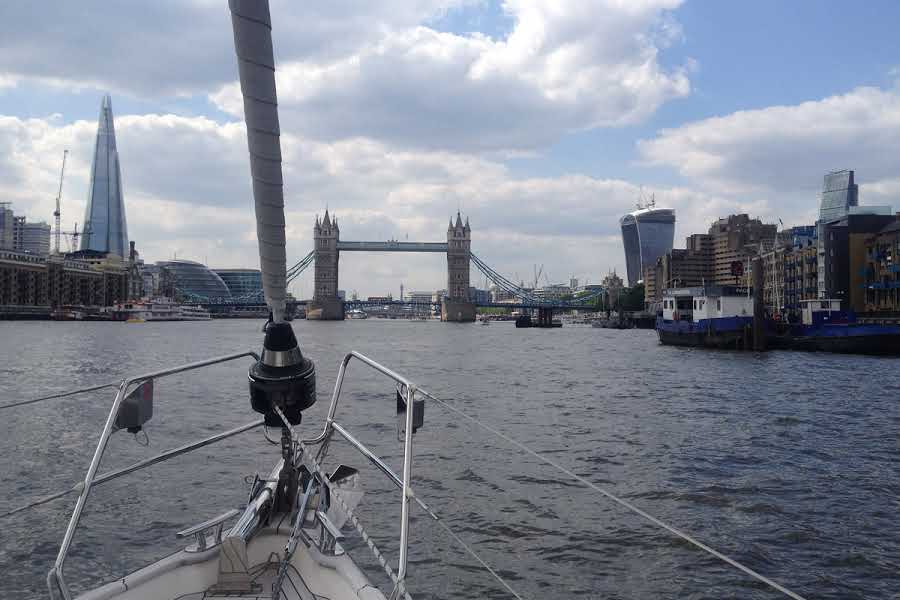
It’s a fair question; if the tide demands this much attention, why bother? The answer; because few stretches of water let you cruise past this much history in a single afternoon.
A central London passage can take in Tower Bridge, the dome of St Paul’s, the Houses of Parliament and Big Ben, the London Eye, and the towers of Canary Wharf, all without a road crossing or a queue. Further downstream the old docklands give way to Greenwich, home to the Cutty Sark and the Royal Observatory, and the open water of the Estuary beyond.
None of that changes the fact that the tide is running the whole time you’re looking at it. Caring about the tide isn’t a separate chore alongside the sightseeing — it’s what makes the sightseeing possible to do safely and on a route that actually works. Get it right, and the Thames gives you access to more of London, more comfortably, than almost any other way of seeing it.
Reading the tide before you read the map
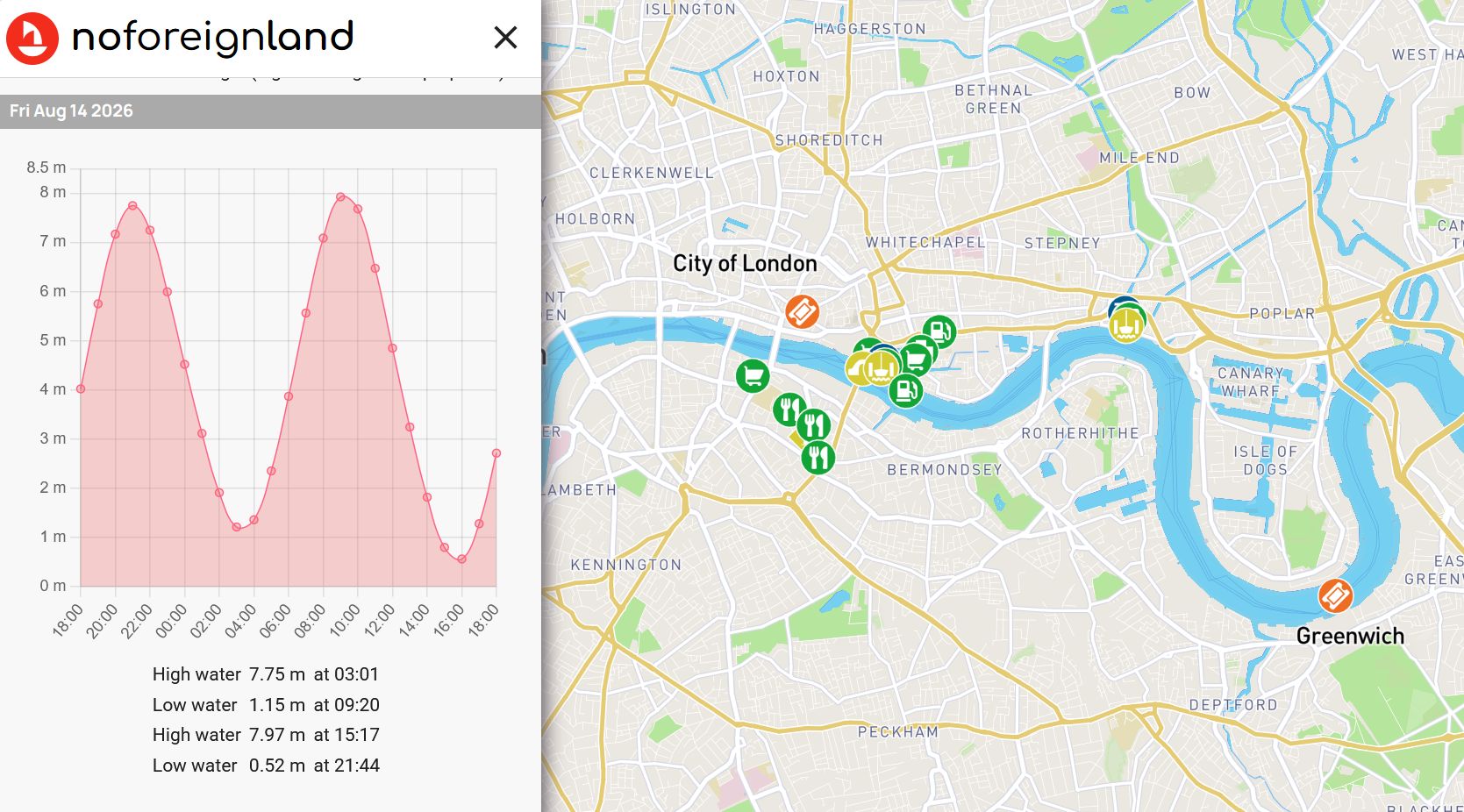
Tide tables should be the first thing you check, before routes, before mooring options, before anything else. London Bridge is the standard reference point used for Thames tidal predictions, and the range between high and low water here is among the largest of any capital city river in the world — often more than six meters.
That range changes the river’s whole geography twice a day. Slipways, steps, and pontoons that are perfectly usable at high water can be inaccessible, or simply not there, a few hours later. Foreshore that looks like solid ground at low tide will be several meters underwater by the time you come back. If you’re new to the river, build a healthy habit of checking predicted times for high and low water before you plan anything, not after.
Timing your trip around the tide, not the clock
Experienced Thames boaters plan passages around the tide, not the hour. Leaving on a falling tide when you’re heading downstream, or on a rising tide heading up, means the current is working with you rather than against you — which on a river this strong is the difference between a relaxed cruise and a hard slog.
This is also where currents get genuinely powerful. Around the bridges and narrower reaches through the city center, tidal streams can run at several knots at peak flow, throwing up eddies and standing waves that catch out anyone who assumed the river would behave gently. If you’re chartering rather than skippering yourself, a good operator will already be building the tide into your itinerary, not treating it as an afterthought.
What to expect once you’re underway
Commercial traffic is a constant presence — RIBs, sightseeing boats, river buses, the occasional tug with a barge in tow — and the navigable channel through central London is narrower and busier than its width from a bridge suggests. Wash from other vessels is normal and worth being ready for.
Bridges bring their own considerations too. Clearance under many central London bridges changes with the tide, and what clears comfortably at low water can be tight, or impossible, at high water for a taller vessel. This is another reason timing matters as much as route.
Choosing how you get on the water
Visitors have more options than they usually realize when it comes to exploring the Thames by boat.
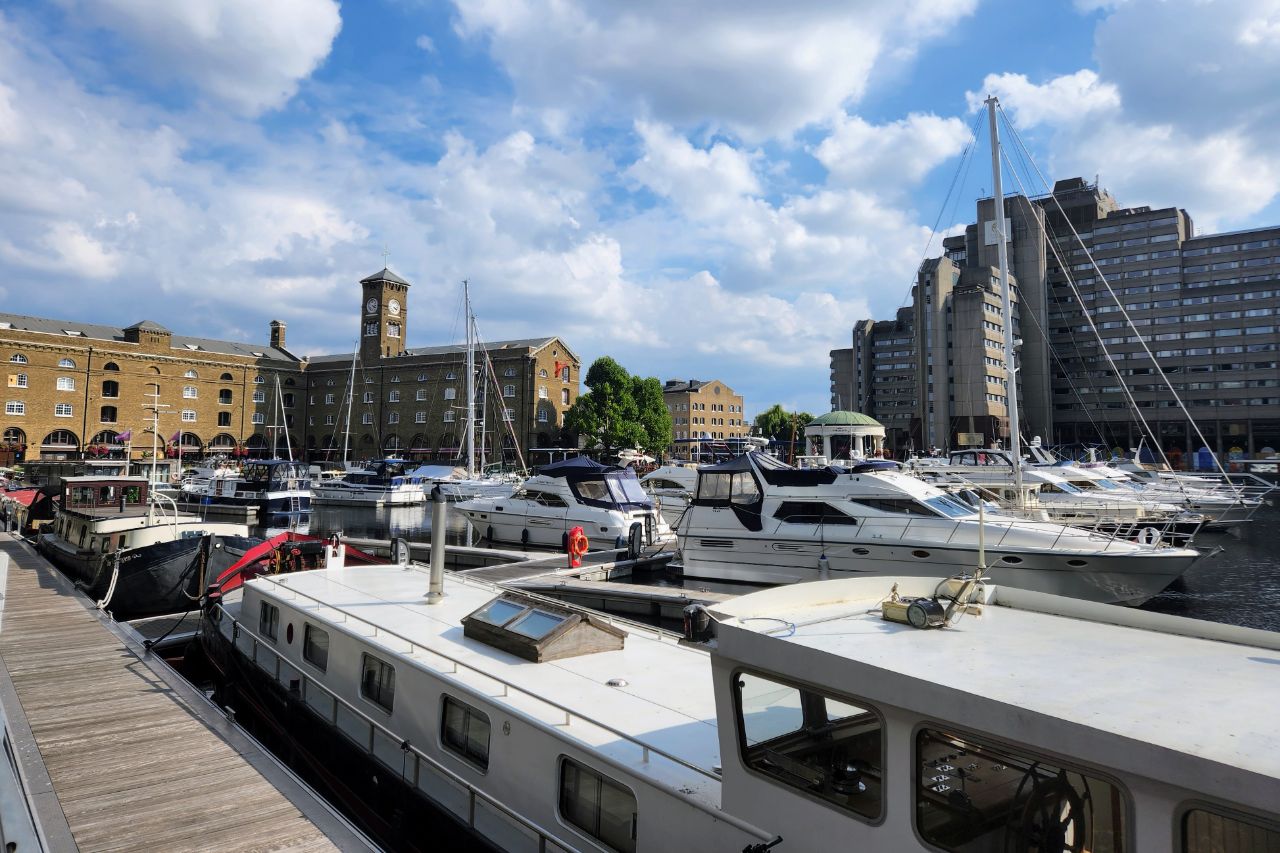
If you’re taking your own boat up-river, ensure you take the tides into consideration when planning your passage and be aware of the procedure for passing through the Thames Barrier Control Zone. As a visiting sailboat you may be able to stay at St Katherine’s Docks, which is located next to Tower Bridge. For most sailboats Tower Bridge is the practical limit of their cruising grounds, depending on mast height. While you could theoretically take your tender from there, it is not advised due to the danger from fast currents, heavy commercial traffic and wash from larger vessels.
To go further upriver, public river buses and sightseeing cruises run fixed routes and are a fine way to get a look at the river. But if you want more flexibility over timing, route, or the kind of experience you’re after, then a chartered vessel is generally the better fit, and a good operator will typically plan your route and timings around the tide for you.
Practical notes for visiting boaters
A few habits will serve any visitor well on the Thames; check the tide tables before you check anything else, build in extra time around bridges and narrower reaches, treat other river traffic with the same caution you would on any busy working waterway, and never assume the water will still be where it was an hour ago.
None of this is meant to put you off. The Thames through London is one of the most rewarding stretches of water you can cruise anywhere. It just asks that you meet it on its own terms, tide and all.

By Daniel
Daniel writes about coastal and tidal cruising around the UK, with a particular interest in how visiting boaters can read and navigate busy urban waterways safely. His time on the water often involves Thames Luxury Charters, watching the tide reshape the river twice a day and planning each passage around it, not the clock.







A great article, thank you Daniel.
For anyone docking in St Katherine Docks, by Tower Bridge: don’t miss seeing the Gloriana, the royal rowing barge commissioned for the late Queen Elizabeth’s Diamond Jubilee! It does not disappoint!
https://www.skdocks.co.uk/events/the-glorious-gloriana/
We go to the St Katharine Docks Classic Boat Festival every year. A great run downstream from Shepperton. We do it in a 1937 classic boat. Don’t underestimate the Thames!
London’s St Katherine Docks can be affordable in Winter. 6 month season was great for us. Right next to Tower Bridge and the Tower of London and the bus stop for the bus to Trafalgar Square and Westminster. Its a tourists dream.
Cruising upriver from the Tower Bridge is impossible for sailing boats due to bridge heights.
We went on a friends barge up to Westminster and back, grabbing a mooring overnight (yes, we got yelled at!). It was a bit of fun helming a 65 foot barge through the bridges!
I would definitley take a fast 10 ft+ tender all the way up to Teddington weir, or further up. Need an adventurous sole and blankets, waterproofs to spend a night on the river if need be. Theres hidey-holes one can disappear from sight for a night. The further upriver you go the more the ability to find a dock at a riverside pub with a room. But its a thing to play be ear.
Adventures abound.