
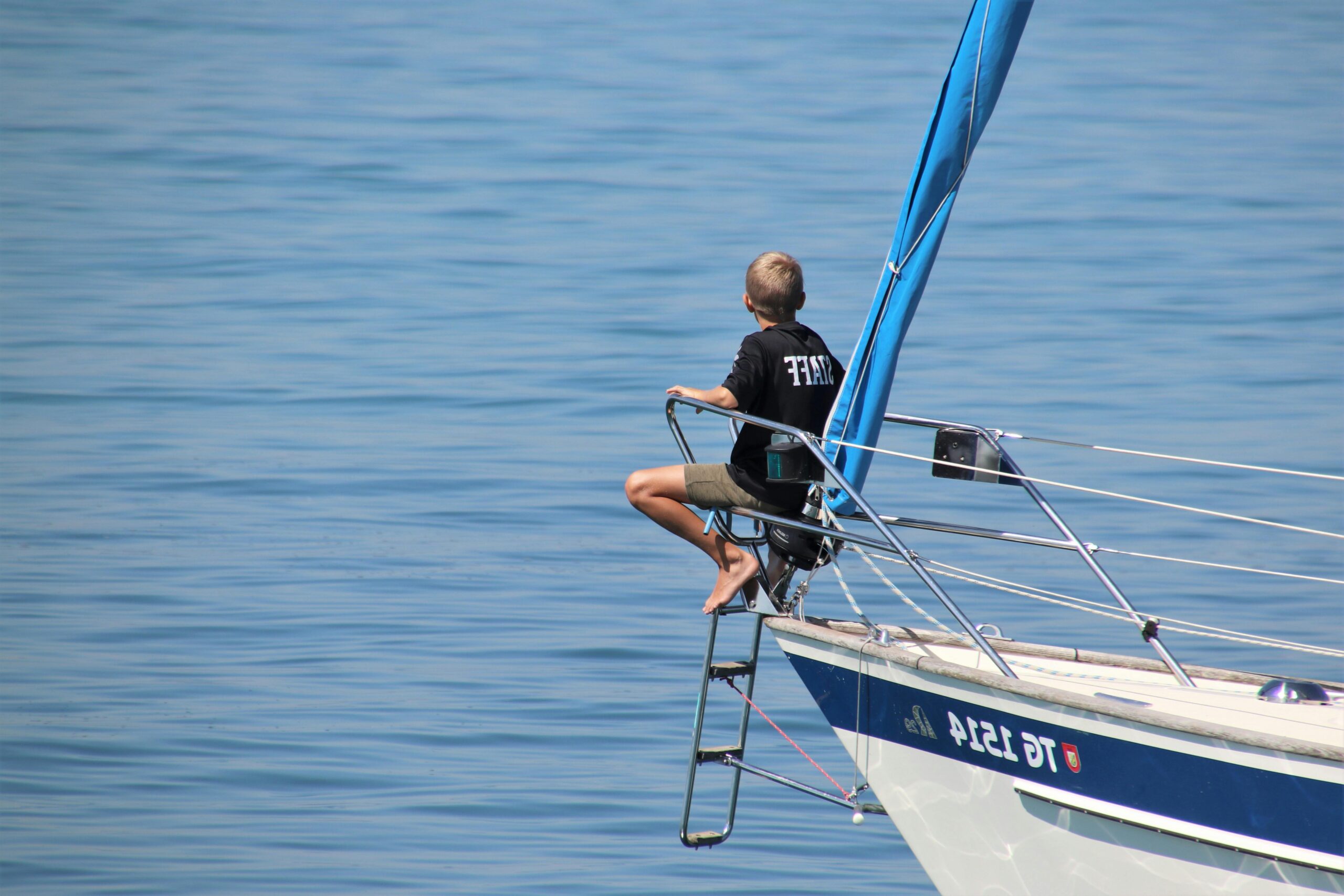
While cruising with kids is an incredible family adventure that fosters resilience and adaptability, it also introduces a unique set of safety considerations.
Life at sea does have an inherent danger to it, and for parents it’s important to find ways to mitigate and prepare for things that may go wrong. One way to do this is to have emergency procedures that the children understand, so that they can be capable participants in their own safety.
Mastering the VHF
Teaching children how to operate the VHF radio is one of the most practical safety investments a cruising family can make.
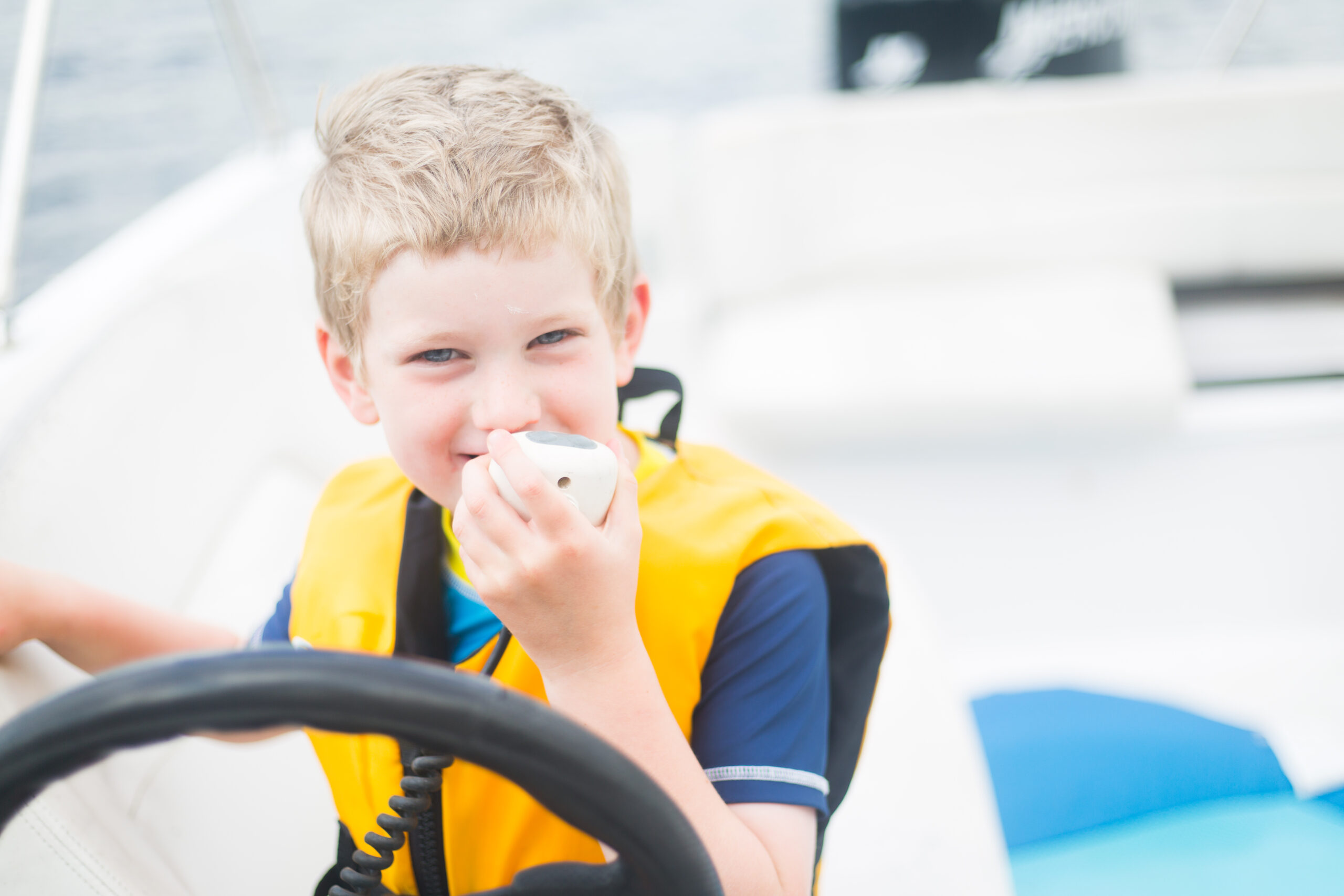
It begins with learning how to use the equipment. Teaching kids how to speak with friends or family on local frequencies helps them get used to using the handset, holding down the button, and speaking clearly. Practice switching between channels, including to Channel 16, and adjusting the volume up and down. Essentially you want using a VHF to be as natural to them as using an iPad or gaming console.
When something goes wrong, panic can easily scramble anyone’s mind, and even adults can be left struggling to remember how to make a PAN PAN or MAYDAY call. To combat this, keep a physical, written “Mayday script” directly next to the radio. While ideally an adult would be making the call for assistance, there may be times when they are busy or incapacitated.
It might look like this:
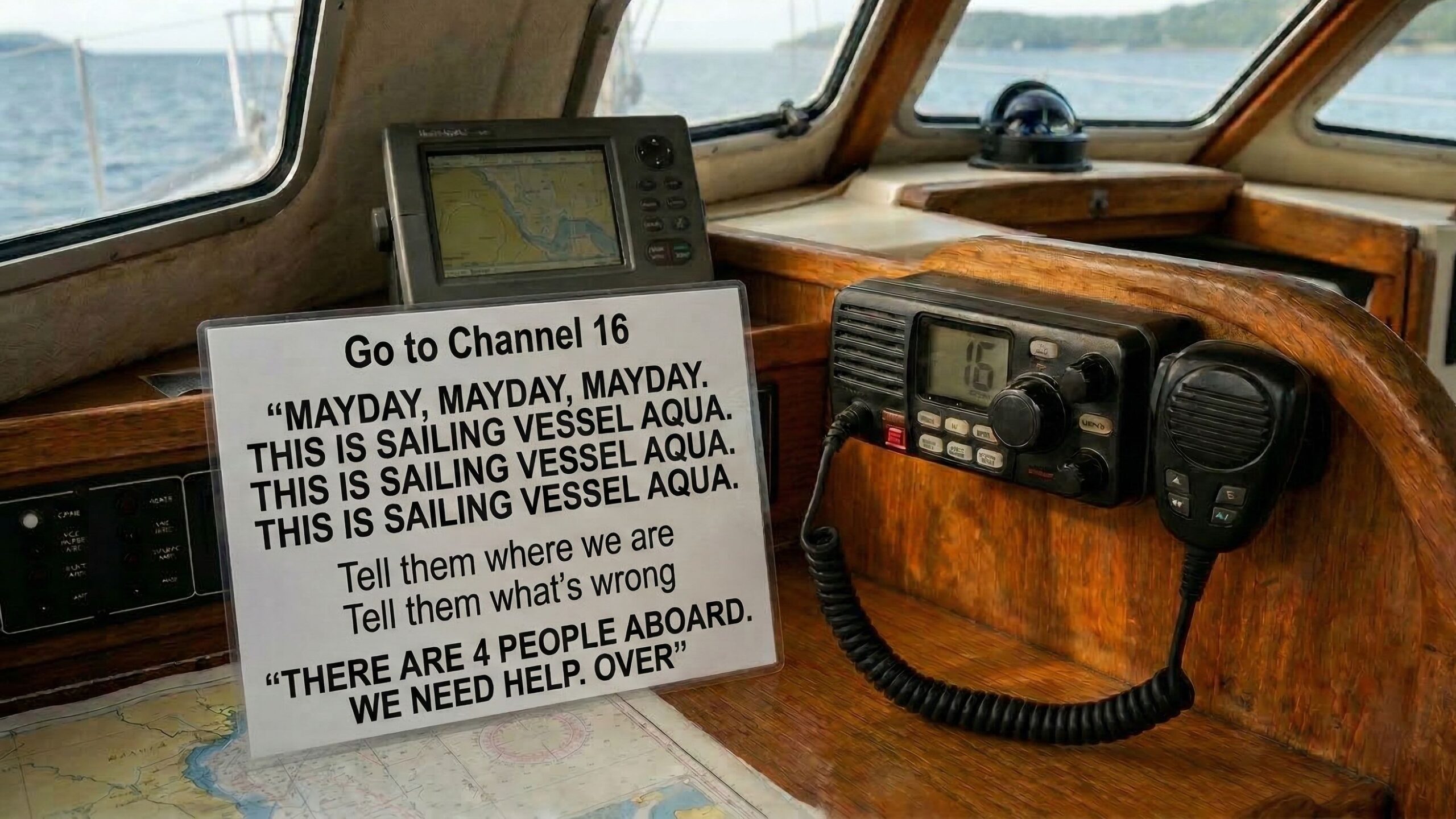
To explain where you are, a younger child might be able to describe “Outside the reef” or “Near the red boat in the anchorage”, while an older child could learn to read co-ordinates off a screen.
Man overboard
Witnessing someone go overboard is up there with a cruiser’s worst nightmare, but it can happen, and being prepared can make a big difference.
As a crew it’s advisable to have a MOB plan and do practice drills – involving the kids in these, even as spectators, can help them prepare too.
If an adult is the one to spot someone go overboard, you may have it as part of your family plan that all children are immediately to go to a designated safe spot inside, for example the saloon table. If you have teenagers, they may be actively involved in the recovery of the person overboard.
If the child is the one to spot the person go overboard, them knowing what they’re meant to do can give them something to focus on, aside from the natural panic and fear. For younger children, the immediate and only instruction should be to run straight to another adult on board and tell them exactly what happened. Older children or teenagers, however, may be capable of a more complex response. They might be trained to immediately alert the crew while throwing a life ring, pressing the MOB button on the chart plotter, slowing the boat, or keeping eyes on the person.
Consider what your children can handle during an incredibly stressful moment, given their age and personality, and build your MOB protocols around those realistic expectations.
When adults are incapacitated
One of the most sobering scenarios to prepare for is what happens if the adult crew members are injured, unconscious, or otherwise incapacitated. Preparing children for
this unlikely possibility is daunting but ignoring it can leave them vulnerable. The focus here should be on basic, manageable sailing tasks that can stabilize the situation until help arrives.
Depending on their age, maturity, personality, physical strength and understanding of the vessel, children may know how to depower the boat. This might involve teaching them how to stop the engine, dump the wind from the sails or furl them, to slow or stop the vessel.
The goal is not to turn a ten-year-old into a seasoned skipper capable of navigating safely to port. The goal is to teach them how to mitigate active dangers so they can safely transition to their MAYDAY protocols and get help.
Formulating an emergency evacuation plan
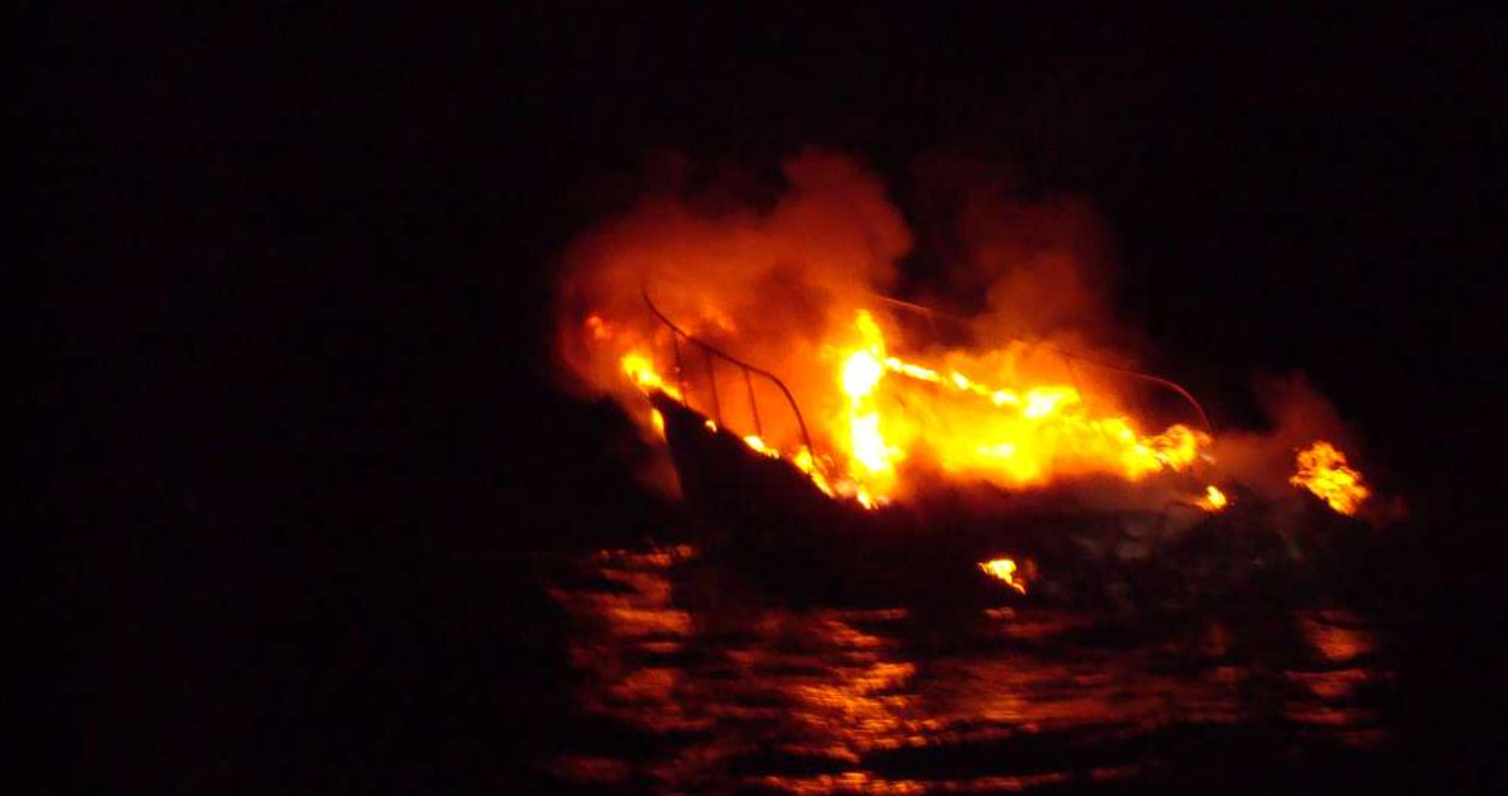
Fire. Grounding. Lightning. Sinking.
There are worse-case scenarios where evacuation becomes a very real possibility, and when you have kids aboard, preparing for this is essential.
Your boats emergency plan should be something that the adults formulate, and kids understand to the degree that’s appropriate given their age.
The plan should define immediate actions if a fire starts or the vessel begins taking on water rapidly, including where the kids should go. Keep emergency tools like bolt cutters, fire extinguishers, MOB devices, the EPIRB, a handheld VHF, and lifejackets in easy-to-reach places that everyone knows about.
It needs to establish a designated muster point, often the cockpit or directly into the dinghy or life raft, and clarify exactly who is responsible for grabbing the ditch bag. Ensure the children know to leave everything behind, their safety is the priority.
Make a plan for contacting emergency services or nearby boats, and ensure the entire crew understands how to execute it. This plan should be practiced, reviewed and modified as your cruising grounds and the capabilities of your children change.
Making safety drills normal, not scary
The key to effective emergency preparation is repetition. Safety drills should be run often enough that the physical actions begin to feel automatic. Show them videos of what it looks like when a life-raft is deployed, and make VHF practice a routine activity.
To manage the emotional side of teaching kids about these scenarios, it helps to frame the exercises similarly to fire drills at a school or home. Approach them matter-of-factly, explaining that while it probably won’t happen, it’s incredibly important to be prepared so that the situation is less scary if something does go wrong.
Turning drills into a routine part of passage preparation, right alongside checking the engine oil or stowing the galley, normalizes the process. When children understand that safety protocols are just another standard aspect of boat life, they are far more likely to retain the information without becoming worried or scared.
Building a safer boat
The benefits of growing up on a boat are numerous, and by defining hard rules, learning to use equipment, and normalizing emergency drills, families can cast off with the confidence that their youngest crew members know what to do if things go wrong.
In the spirit of the noforeignland community, let’s spark a conversation – How does your family handle safety drills and define deck rules for the kids aboard?




Hi, thanks a lot for the Teavhing kids emergency protocols! It was very useful and made me think we should do all of those recommendations. Our boat is a 42 feet sloop. Our sons are 7 and 9. We started cruising 4 years ago. When we left they were too young but now we will train them!
They did use the vhf occasionally to talk to friends but are not familiar.
They know how to start, reeve and turn off the engine and do it regularly.
We involve them seldomly in the sails management because of the danger implied in operating the winches under heave loads. I will try to explain to them how to de-power the sails.
They have no idea what to do if someone falls aver board, let alone having to evacuate.
Our main rule is we are all tethered to the boat while out at sea, even if motoring in calm seas. And the kids also wear their life jackets if they want to be outside.
Thanks again!!
Virginia
We recently left our 11 and 13 year old alone on the boat while we were having a drink on another boat in the anchorage. When the anchor alarm went off, they quickly radioed us to come back. By the time we were back they had the chart plotter and depth on, were monitoring our boat speed and were ready to start the engine if needed. Fortunately thing was fine, but their response really impressed me! Glad we got them involved in handling the boat early. Now I wonder if they know where the fire extinguisher is?