
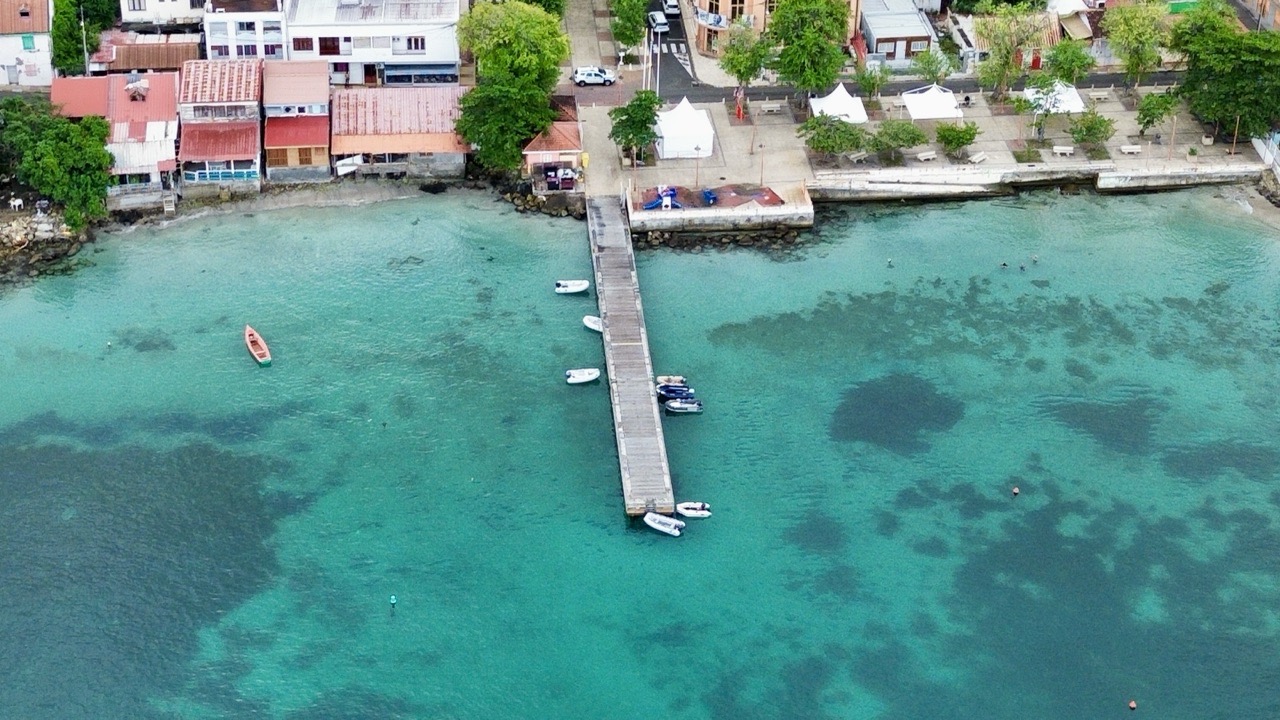
Unfortunately, outboard motor theft hasn’t gone away. In fact, for many cruisers it feels as common as ever.
From busy Mediterranean harbors to Caribbean anchorages and popular cruising grounds across Australasia, outboards remain one of the easiest and most valuable items for thieves to target.
Some thefts are well organized and fast, others are purely opportunistic. Either way, the outcome is the same; you’re left without transport, facing substantial unexpected costs, and scrambling to find somewhere that has a new one. Fortunately, there are proven ways to reduce the risk.
Why outboard motor theft is still an issue
Outboard motors are attractive targets because they tick every box thieves look for. They’re valuable, portable, and relatively easy to resell. Supply chain issues in recent years have only added fuel to the fire, pushing up second-hand prices and making replacement motors harder to source.
In many cruising areas, theft doesn’t happen in isolation. Certain anchorages can develop a reputation, and there may be a group of thieves who are particularly active for a period of time. As happened in Trinidad in 2023 and Saint Martin in 2024, multiple boats can be hit in a week, or even a single night, before the police catch up with them, and few of those owners see their motors again. If a motor isn’t locked, it may only take minutes before it’s gone.
The key principle is simple. The harder your motor is to steal, the more likely a thief will move on to the next dinghy.
-
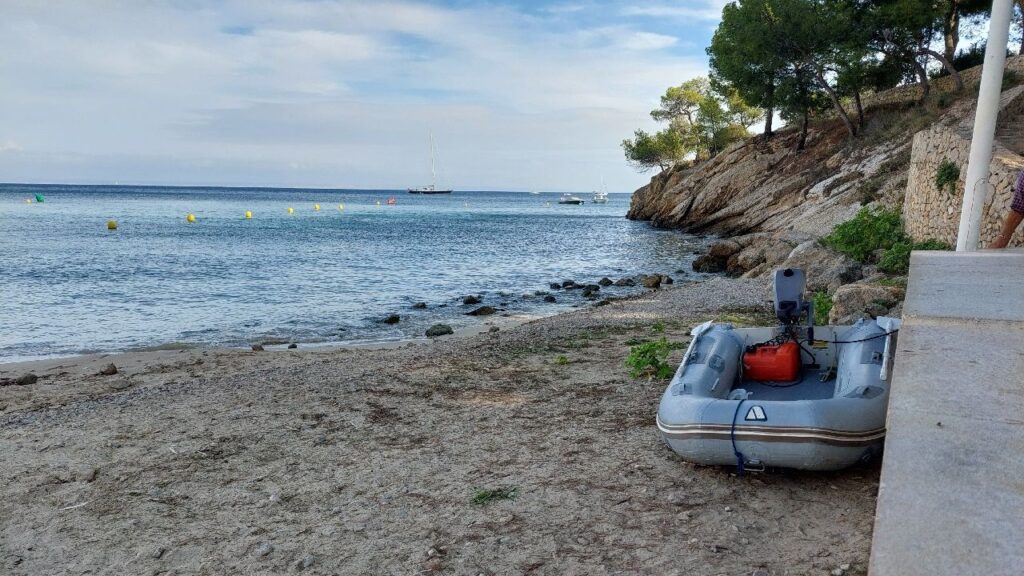
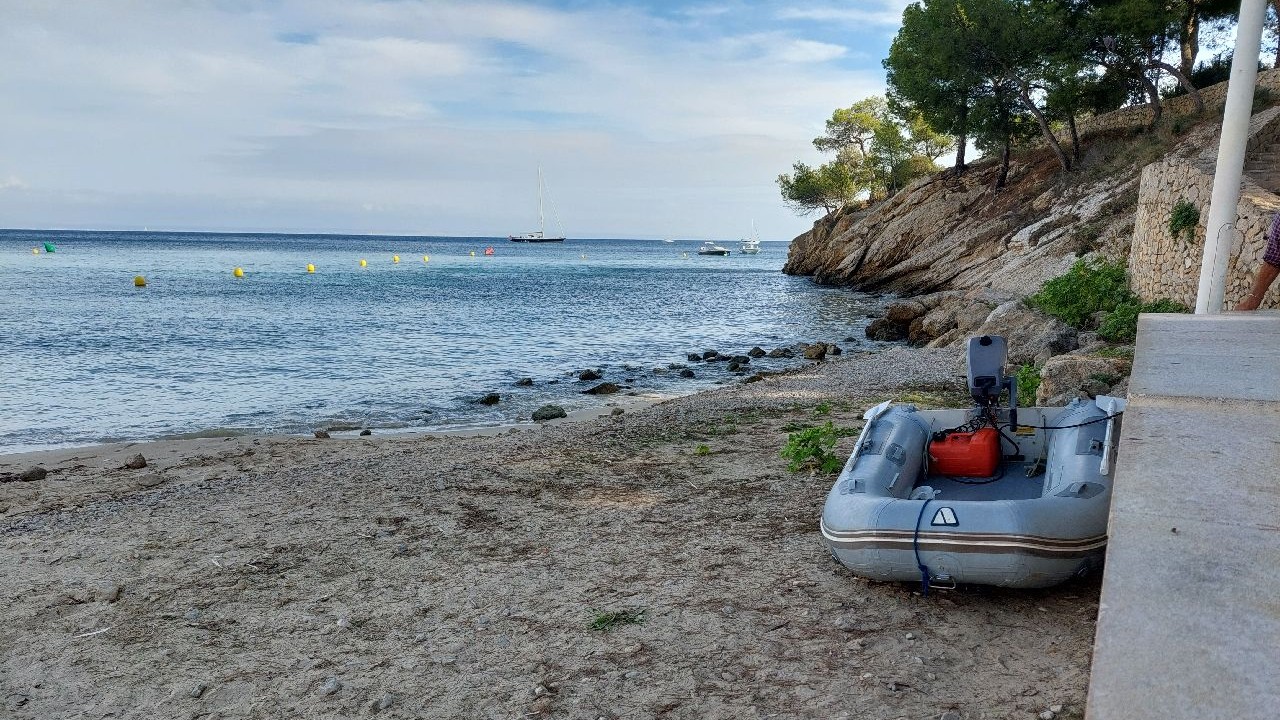
- This tender is locked to the light pole
What insurance generally expects
Most marine insurers require outboard motors to be secured with a recognized anti-theft device when left unattended. The exact wording varies by policy, but the expectation is usually that reasonable steps have been taken to prevent theft.
Commonly accepted anti-theft measures include purpose-built outboard motor locks, bolt or cap locks, and robust U-lock systems. Insurers typically don’t mandate a specific brand or model, but failure to secure an outboard at all could jeopardize your cover.
Beyond policy compliance, proper security simply makes practical sense. Replacing an outboard can be expensive, time-consuming, and logistically painful, especially in remote cruising grounds.
Choosing the right lock for your outboard
The best lock depends largely on the size of your motor and how it’s mounted.
Small outboards
Smaller motors are often mounted using clamp screws, which makes them quicker to remove and more vulnerable if left unsecured.
- U-locks are a common choice for these motors. They are easy to fit and use, but basic versions can sometimes be defeated with bolt cutters.
- Cap locks, which cover the clamp screws with hardened stainless steel, are far more resistant to tampering and are widely used by cruisers.
- Rail-style locks, that secure both toggle screws, add time and noise to any theft attempt, which is exactly what you want.
Larger outboards
Larger motors are usually through-bolted to the transom, which already provides a level of protection. That said, they’re also worth more and therefore are still attractive to thieves.
Bolt locks prevent tools from accessing the mounting bolts, while locking nuts require a specialized tool to remove. These don’t make theft impossible, but they significantly increase the time and effort involved, making it unlikely someone will sit there doing it out in the open.
Locking the tender, not just the motor
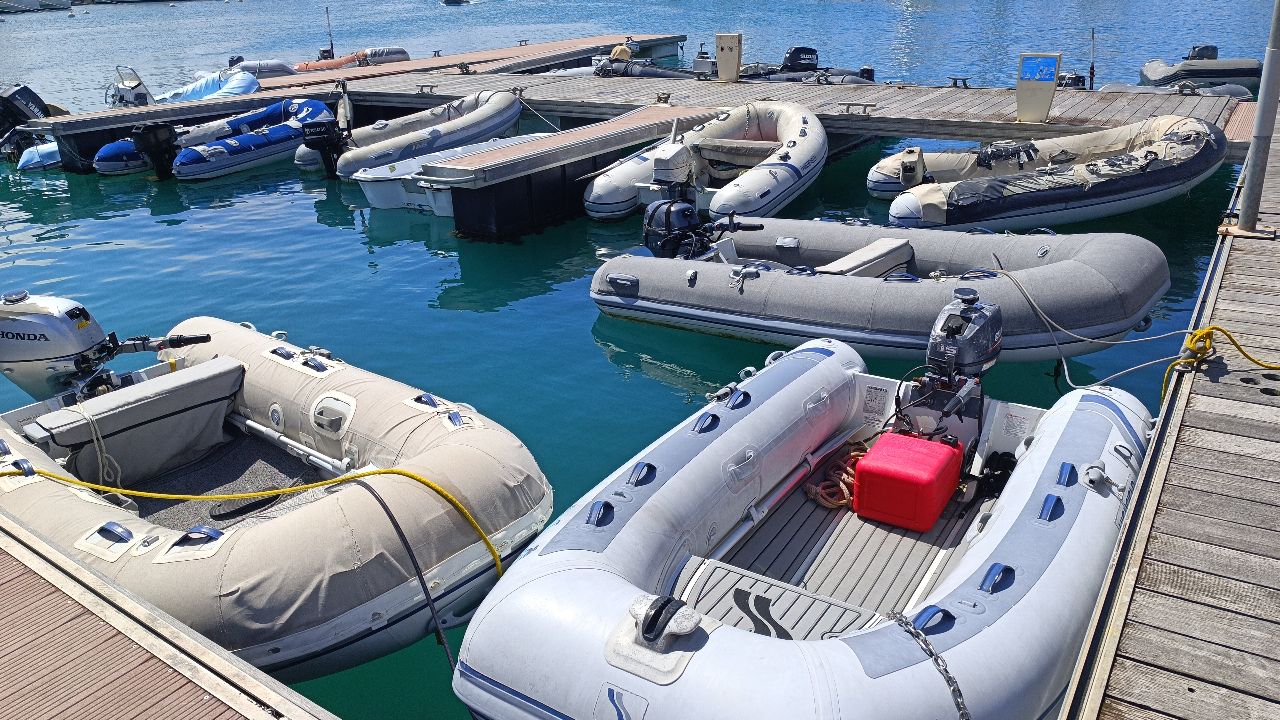
In many cases, thieves don’t bother removing the engine; they simply take the entire tender and deal with the motor later. As such, locking the tender is just as important as locking the outboard.
The easiest way to lock a tender to a dock or your yacht is using a chain or wire cable.
- A heavy chain offers excellent resistance to cutting, but is bulky, heavy, and harder to handle.
- Cable is lighter and easier to stow, but it can be cut more quickly with the right tools.
Both are better than nothing, so it’s up to each crew to work out what suits their tender and boat.
The best practice to avoid opportunistic thieves is to lock the tender whenever it’s left at a dock or landing, and lift it out of the water at night, locking it to the vessel. You want to make those locks visible; a thief deciding between two dinghies is more likely to choose the one that looks easy.
Using local knowledge to assess risk
One advantage cruisers have today is access to shared, real-world information. The noforeignland map includes dinghy dock reviews, where other sailors often mention security issues, past thefts, and whether there are solid lock points available.
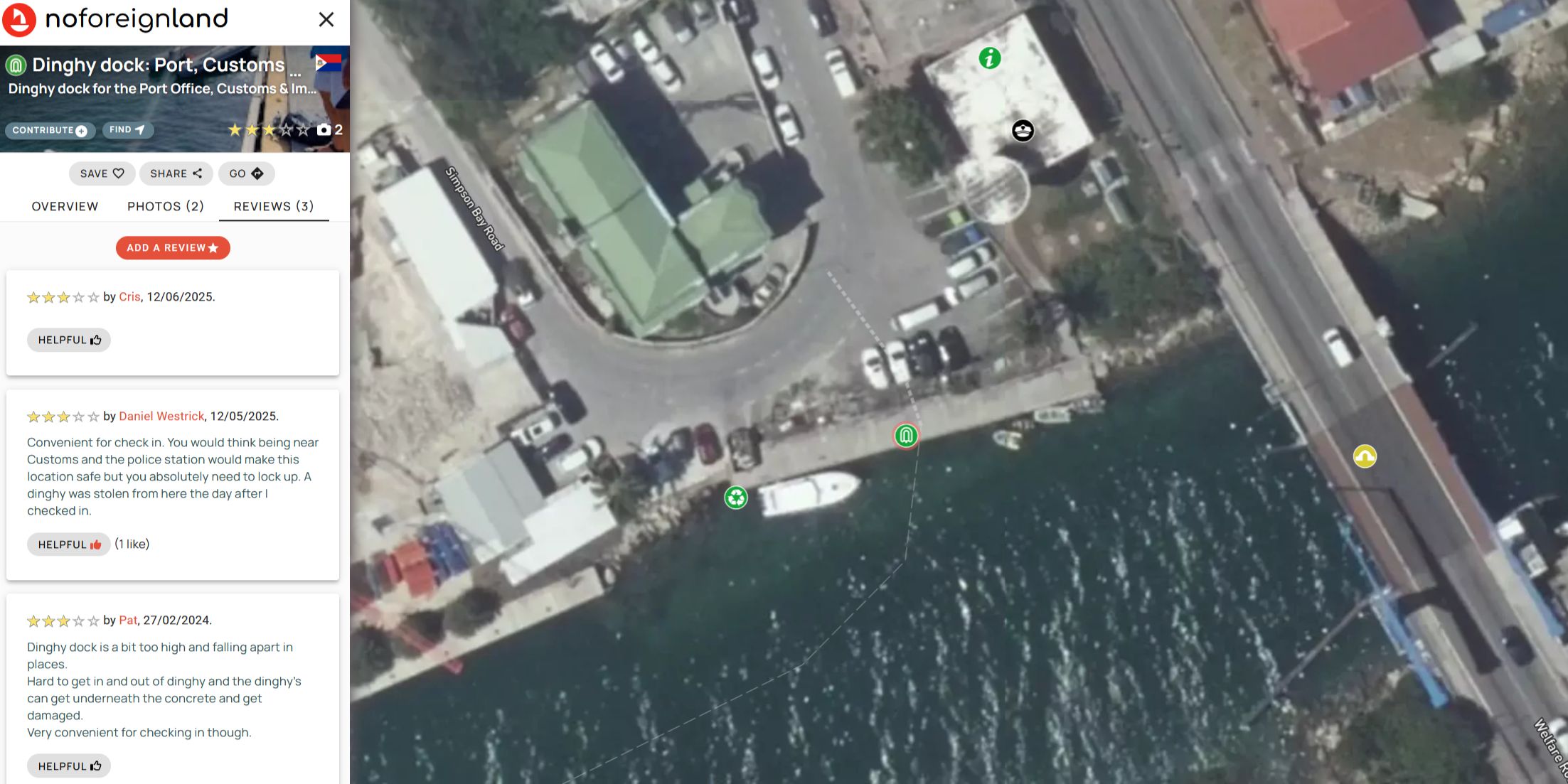
Caribbean cruisers, may also check with the Caribbean Safety and Security Net (CSSN), which highlights reported dinghy and outboard thefts. Checking this information before choosing where to take your tender can help you avoid known trouble spots or take extra precautions when needed.
Take action
Outboard motor theft remains a reality for cruisers worldwide, but it’s rarely random. The harsh truth is that boats that are unsecured or left without visible deterrents are far more likely to be targeted.
By combining proper locking devices, sensible habits, and local intelligence, you can significantly reduce your risk. It won’t make your dinghy theft-proof, but it will help move it into the “too hard” category. And on the water, that’s often enough.
Have you encountered outboard or dinghy theft while cruising, or found a setup that works particularly well? Help your fellow cruisers by sharing your experiences and what you’ve learned.





In addition to the obstacles mentioned here, I keep an air-tag attached under the outboard cowl/cover. Can’t hurt. If you can find it within hours of being stolen, hopefully the motor is still attached. Thieves are, by nature and vocation, usually not well prepared and with a clear plan. If you can get to it between when they beach it and when they can mooch a car and bolt cutter off someone, you might get it all back unharmed.
Thank you for the article.
Concise and full of actionable advice.
we hoist our tender up every night and if in an area like bocas del Toro ill run a lock through it too. dinghys left in the water get stolen all the time down here. low hanging fruit gets picked
In addition to what has been mentioned we lock our petrol can to the outboard and dinghy with a chain. And as mentioned by others we also use AirTags and haul it each night. We do this everywhere, even in places where they are deemed as safe! Once we found it was a cruiser that had stolen someone’s oars not a local!