
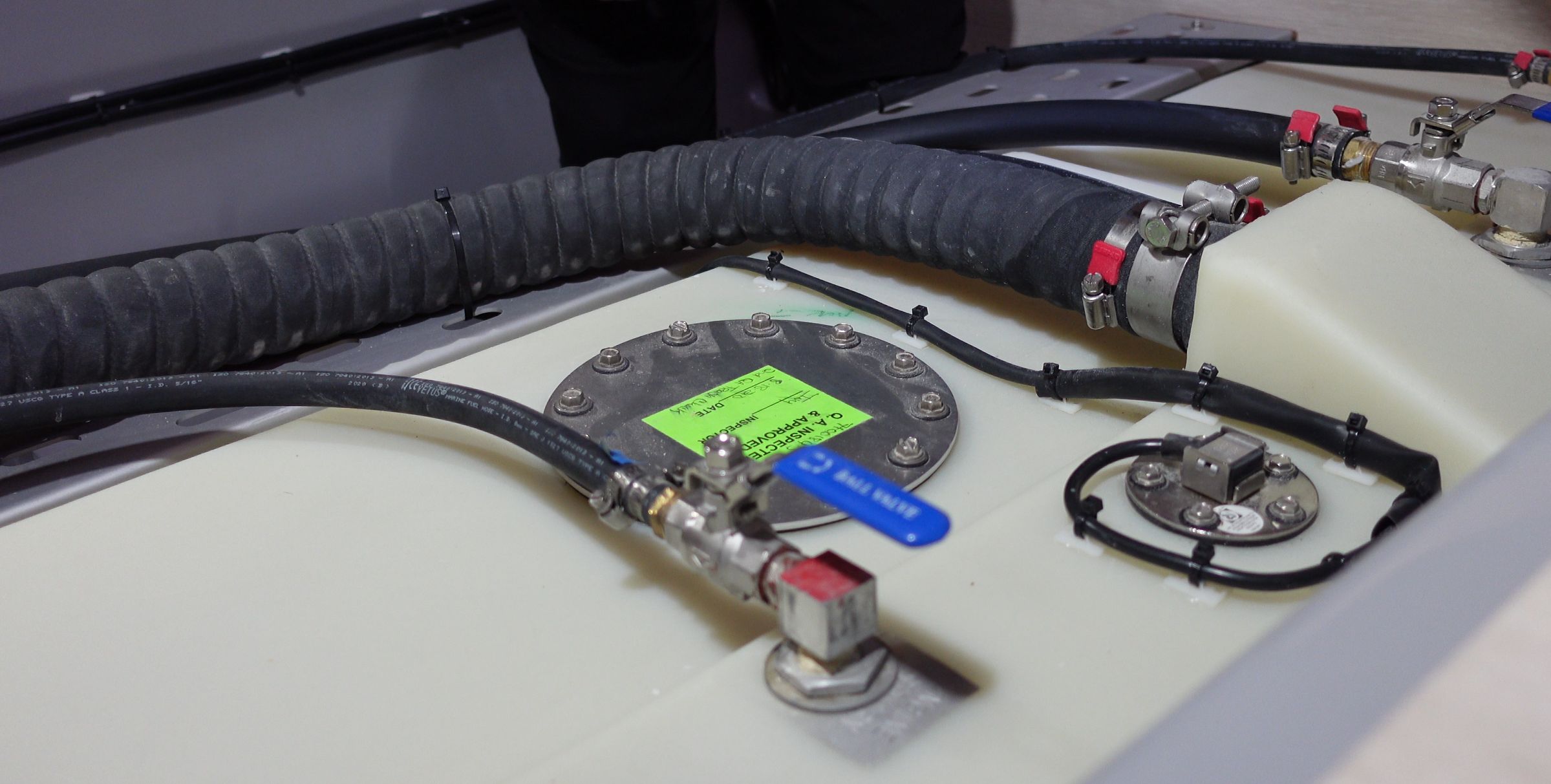
There is a myriad of things that can go wrong with your engine, but sometimes the culprit isn’t a mechanical failure, it’s a biological one – diesel bug.
Diesel bug, or diesel plague, refers to the growth of microorganisms like bacteria, yeast, and mold within your fuel tank. It’s a contamination that can go unnoticed until it is too late, so knowing how to identify and treat it is key.
The foundation of microbial contamination
For microorganisms to be able to contaminate your fuel tanks, there needs to be more than diesel present. What sets the entire process in motion is the presence of water.
Water can get into your boat’s fuel in several ways.
- Condensation due to the daily changes in air temperature
- Contaminated diesel during refuelling
- A leaking tank or filler cap
- Human error
Water is heavier than diesel, so settles at the bottom of the tank. The interface, or separating layer, between the water and the diesel offers the microbes a viable habitat. This is especially true in warmer climates, where the higher temperatures result in your fuel tank offering perfect conditions for the rapid proliferation of these tiny stowaways.
-
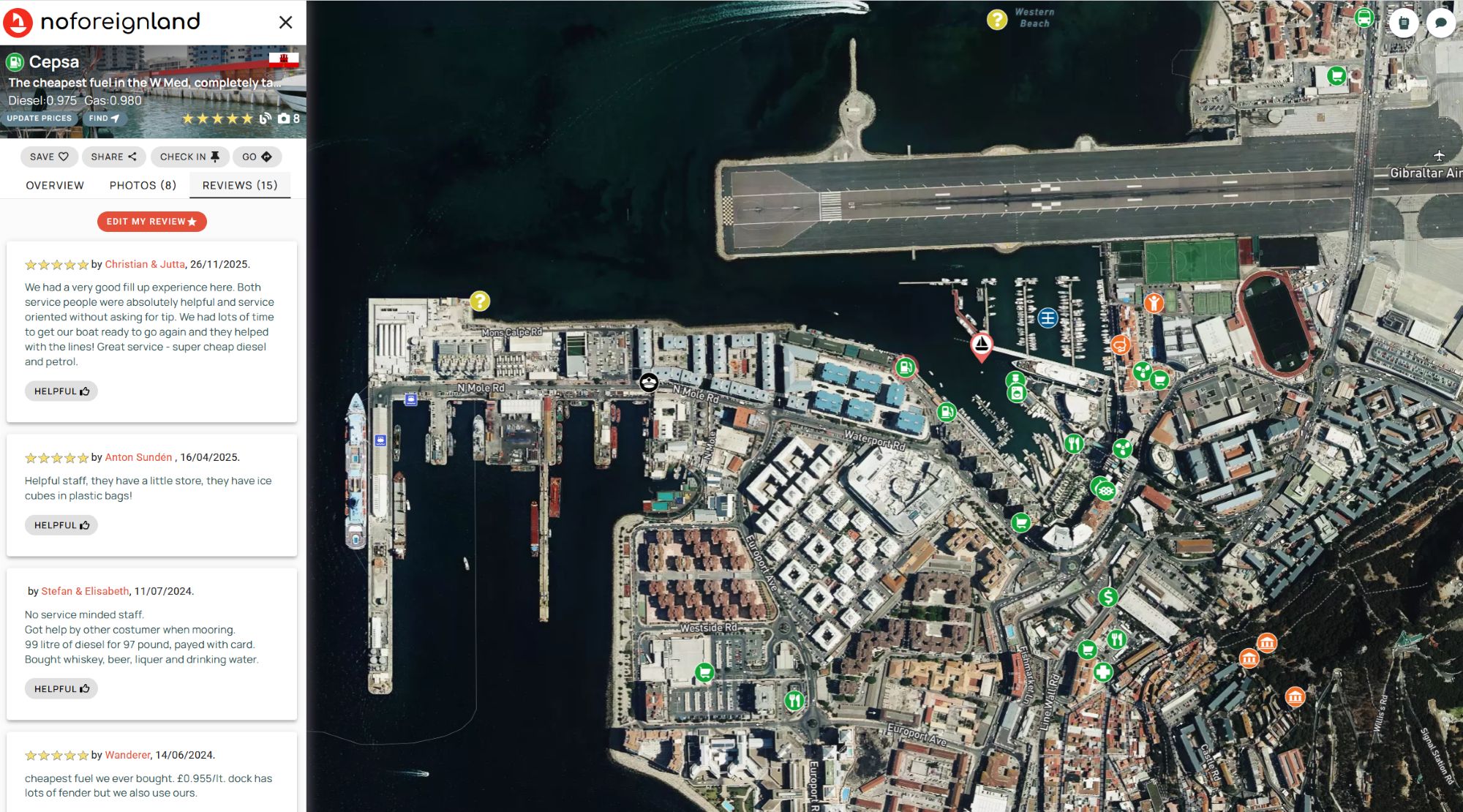
- Leaving reviews on the NFL map can notify others of the quality of fuel you receive
The problem with diesel bug
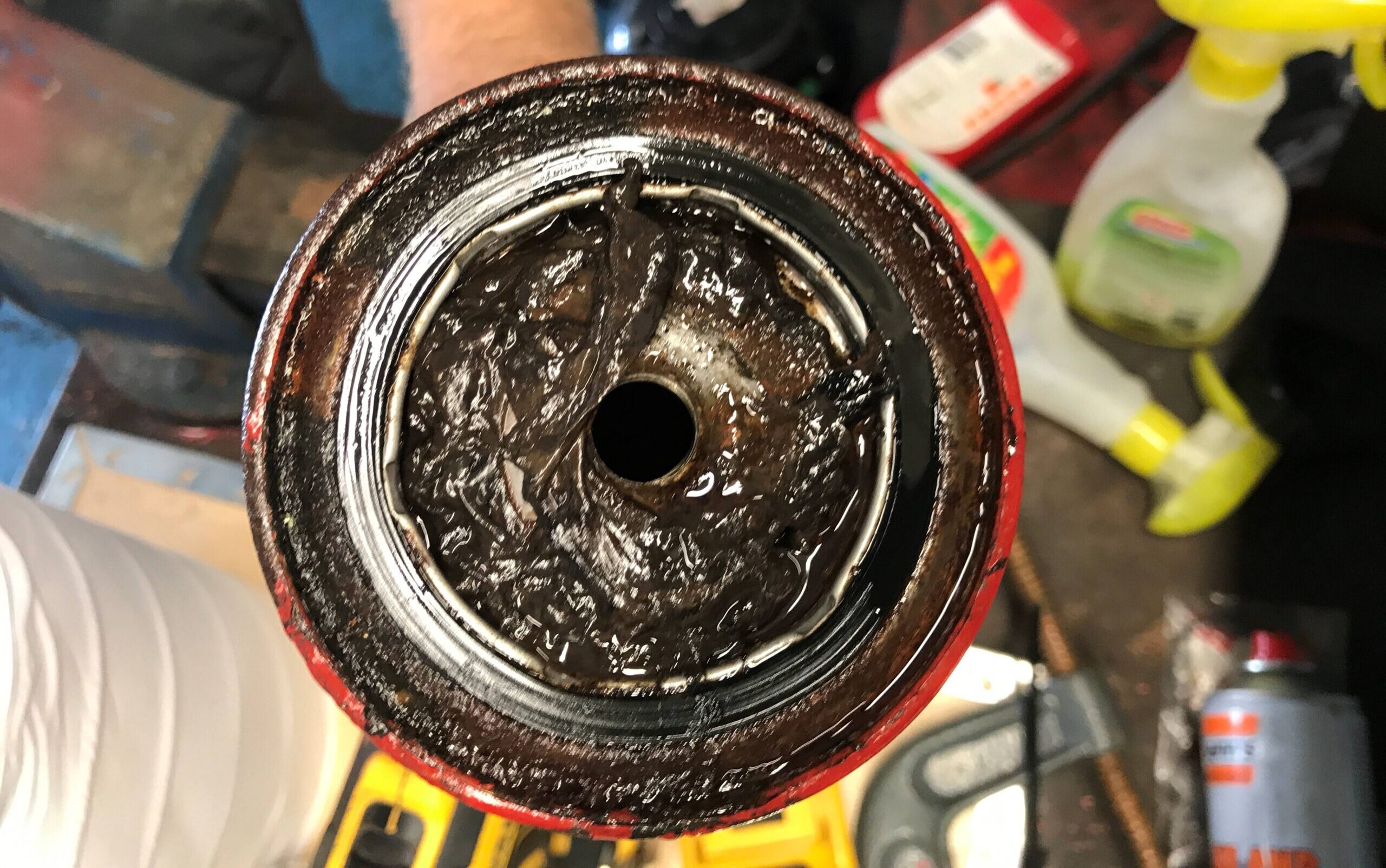
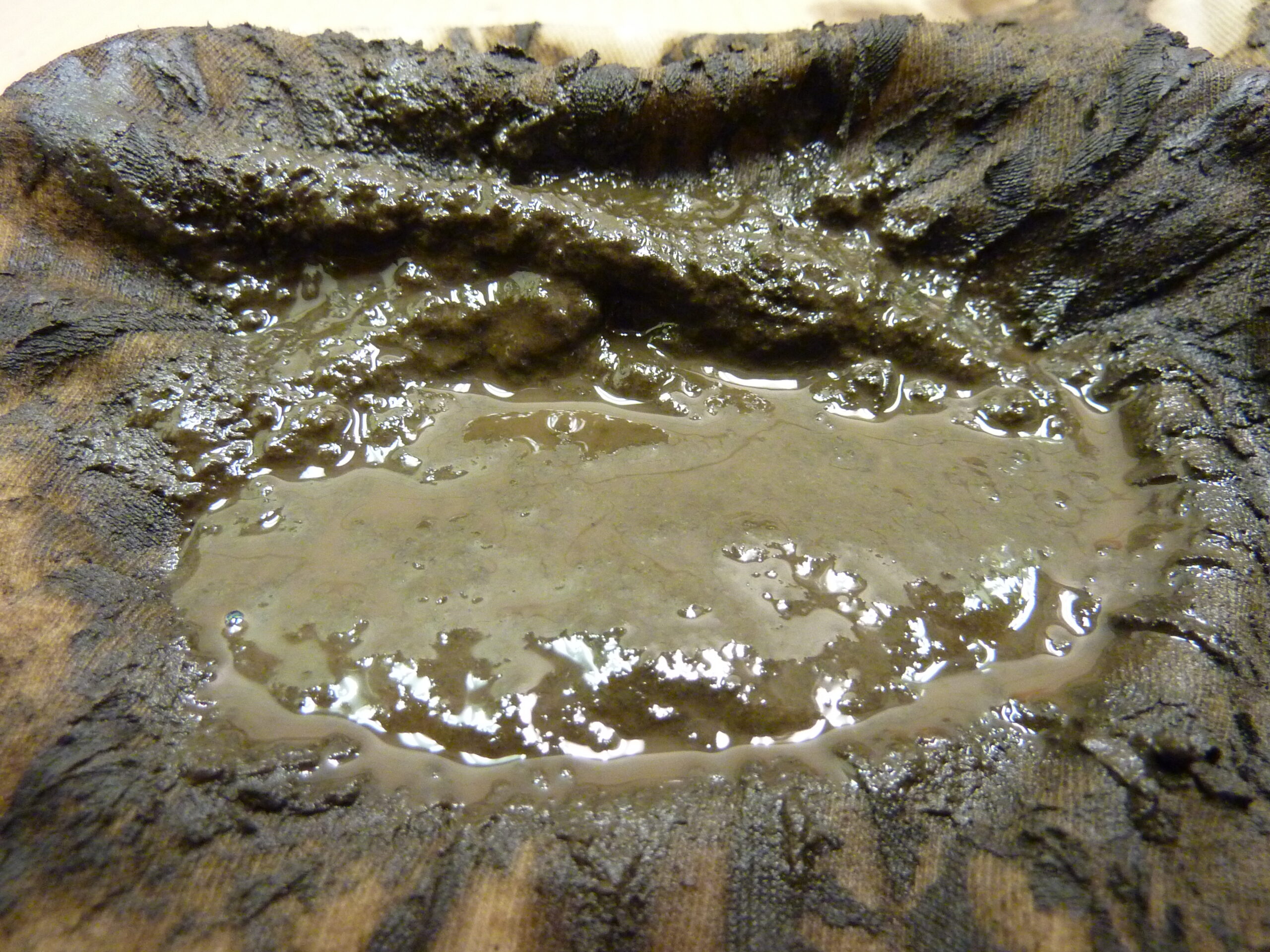
The problem is not the bacteria itself, but the sticky, dark-coloured metabolic products produced. As these organisms consume the hydrocarbons and nutrients in the diesel fuel, they excrete waste that forms a black, brown, or green bio-sludge. This sludge is problematic in two major ways: mechanical and corrosion.
Mechanical
The slime can clog vital components such as fuel filters, diesel lines, or the very small openings in the injection nozzles. When the boat encounters rough seas, the previously dormant sludge, which sat on the tank bottom, gets stirred up and moves to block the fuel intake, causing the engine to stutter or die completely.
Corrosive
The sludge can be acidic, actively promoting bio-corrosion in the tank and on key engine components. This bio-corrosion can subsequently lead to long-term engine damage.
Checking for contamination
A quick, practical way to diagnose potential contamination is to take a small sample from the very bottom of the tank using a sludge dipper or clear tube; if you see water or particulate matter, you know there may be an issue.
Preventing and controlling the growth
There are a few different actions you can take to prevent and control the growth of diesel bug.
Drain the water
Since water is the essential catalyst for microbial growth, the most effective preventative measure is regularly checking and draining any accumulated water from the bottom of the fuel tank. It’s best for this maintenance to be scheduled, not reactive.
Keep tanks high
A handy practice is to keep the tank full, especially when laying up the boat or during periods of temperature fluctuation. A full tank minimizes the surface area of the tank walls that is exposed to air, which in turn significantly reduces the amount of condensation that can form inside the tank.
Choose premium fuels
Consider using premium fuels that inherently have a lower biodiesel content, as the fatty acid methyl esters in biodiesel are particularly nutritious for the microbes.
Biocides
There are biocide additives for conventional diesel that help inhibit the growth of these organisms, or even completely remove them. Depending on the concentration of the treatment, the service life of the product, and local climatic conditions, even a small dose of these chemicals may be sufficient to control the microorganisms and prevent bio-corrosion.
Install a fuel polishing system
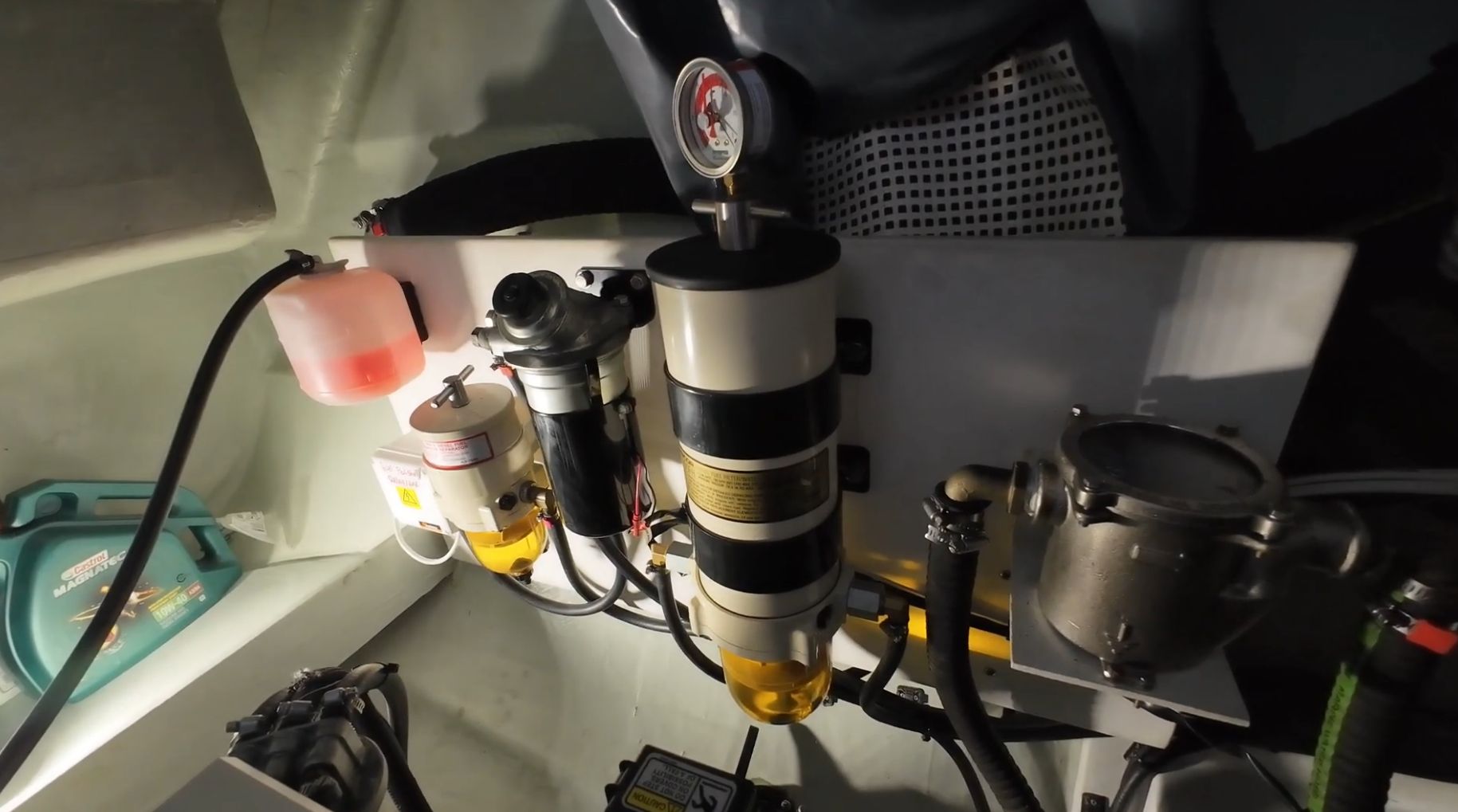
Polishing the fuel involves using a dedicated external filtration system to circulate and filter the fuel, removing water and particulate matter. These systems usually use a 12V pump to take the fuel from the bottom of the tank and filter it through a fuel filter and water separator, before returning it to the tank.
-
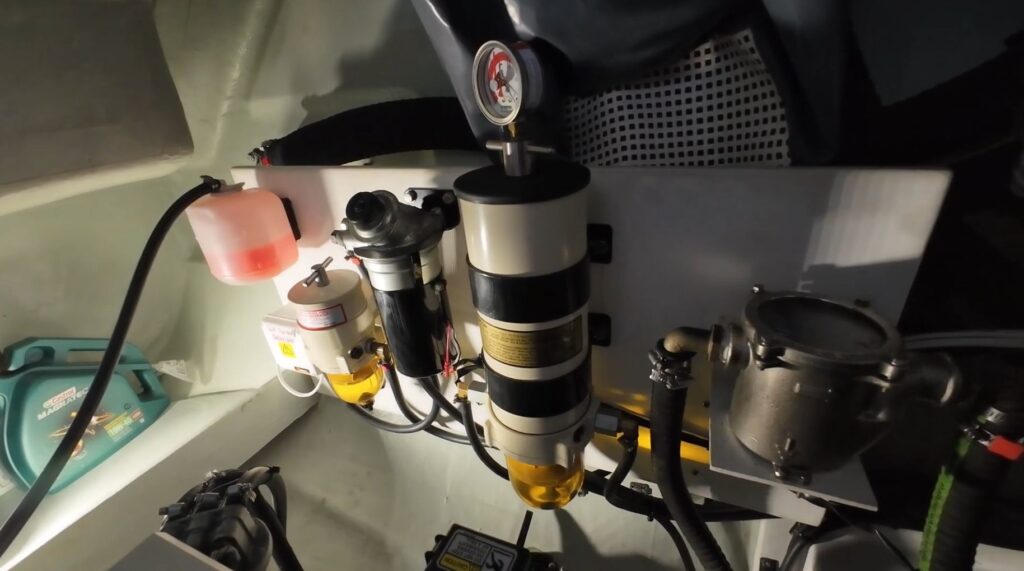
- Fuel polishing system
Addressing a serious infestation
Once diesel plague has struck with full force, there is usually no way of avoiding an extensive fuel tank clean. While biocides are highly effective at killing the living microbes, they are not designed to dissolve the existing bio-sludge without residue. If a significant amount of sludge has formed and the engine is stuttering, adding a biocide will kill the organisms, but the physical slime remains in the tank, ready to clog the system again.
The process of cleaning a tank requires the contaminated fuel to be safely pumped out, the sludge physically removed, and the tank walls cleaned. It’s a good opportunity to check that the tank is structurally sound, and it may be worth consulting a specialist for advice tailored to your vessel’s fuel system design.
Clean tanks, happy engine
Being vigilant with fuel quality and water separation and knowing how to treat diesel plague effectively is a smart move for all diesel engine owners. The last thing you want is to end up dead in the water, with clogged lines and an engine that just won’t go.
Have any specific maintenance tips or experiences managing diesel bug? Share them in the comments to build a wealth of knowledge for the NFL community!






Great article. Agree 100%. Over the last 10 years of cruising I found that bio diesel content has skyrocketed and even with all the measures mentioned above it can’t be stressed enough that you know how much “bio” content you take on. Most gas stations know and tell you the percentage. Be religious with adding biocide, also in cans you store outside and lockers. Most boats (mine does) have a suction tube in their tank where you can remove water.Test and remove frequently and yes, keep tanks full if possible.
An interesting article. Having suffered from the bug once I am convinced that purchasing fuel from a supplier with a low turnover was the cause.
Since then I have been careful, some say paranoid, about how I treat me fuel. Always purchased from a high turn over suppler, always filtered before going into my tank (you will be surprised how much crud I find) and treated with an enzyme based additive.
I am not convinced about the full/empty tank argument when laying up as the amount of air that passes though the breather is miniscule, but wonder if lagging or insulating a tank might be a solution in areas where there is a big ambient temperature range.
I cleaned my tank in Martinique in dec this year. The guy that cleaned it recommend me to put in a De bug filter. Anybody heard about that.
These days diesel bug is almost unavoidable in my opinion. Speaking from my own experience a little bit of dieselbug is not the end of the world but as soon as I notice it a biocide shock treatment is going into the tank. In the next weeks the polishing system will take it out.
Not talked about in the article is a extra dieselpump inline with the engine. An electric pump will deliver the diesel to the engine but obvouisly more than the engine uses so the excess gets returned. This basically means that as soon as you turn on the engine your polishing system starts up. It also means that the is always more fuel pressure in the system so you need a bigger blockage for your engine to cut out.